

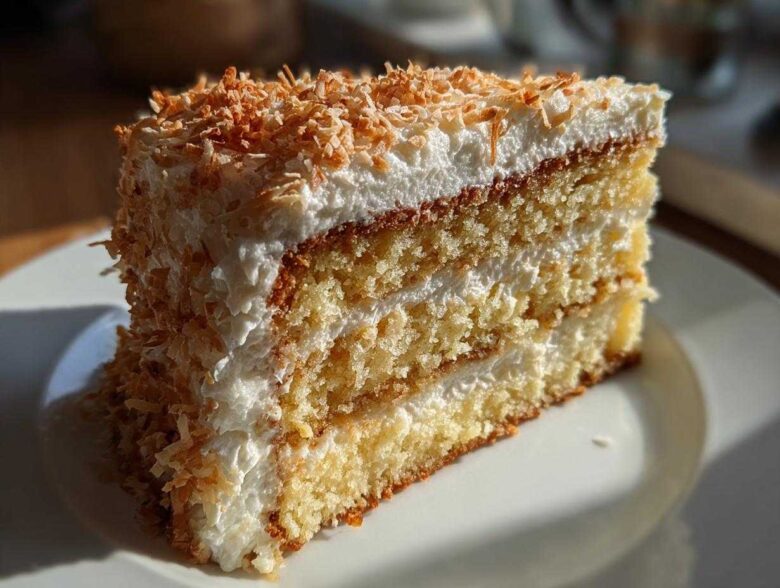
We all have that one dessert we dream about, don’t we? The one that tastes like the best bakery in town but is somehow even better because you made it yourself? For me, that dream has always revolved around the perfect slice of coconut cake. It has to be loaded with flavor, impossibly moist, and topped with a frosting so rich it steals the show. Well, after many, many attempts—and I mean *many*—I finally landed on what I truly believe is The Best Moist & Fluffy Southern Coconut Cream Cake Recipe. This isn’t just some spur-of-the-moment bake; this is the result of patient testing, ensuring every crumb has that wonderful, bakery-style quality that makes people ask for the recipe immediately. Hana thinks I’m obsessive about getting it right, but if you read a little about our story here at Spoon Swirl, you’ll know I love perfecting the process. I just can’t compromise when it comes to texture like this!
Why This Moist Coconut Cake Recipe Stands Out (E-E-A-T Focus)
I know there are a million recipes out there for coconut cake, so why should you trust mine? Simple: I obsessed over the texture until I got it right. This isn’t just a slightly damp cake; this is a true bakery style coconut cake that stays soft for days. When you use this moist coconut cake recipe, you are getting layers that feel light, almost airy, yet perfectly structured.
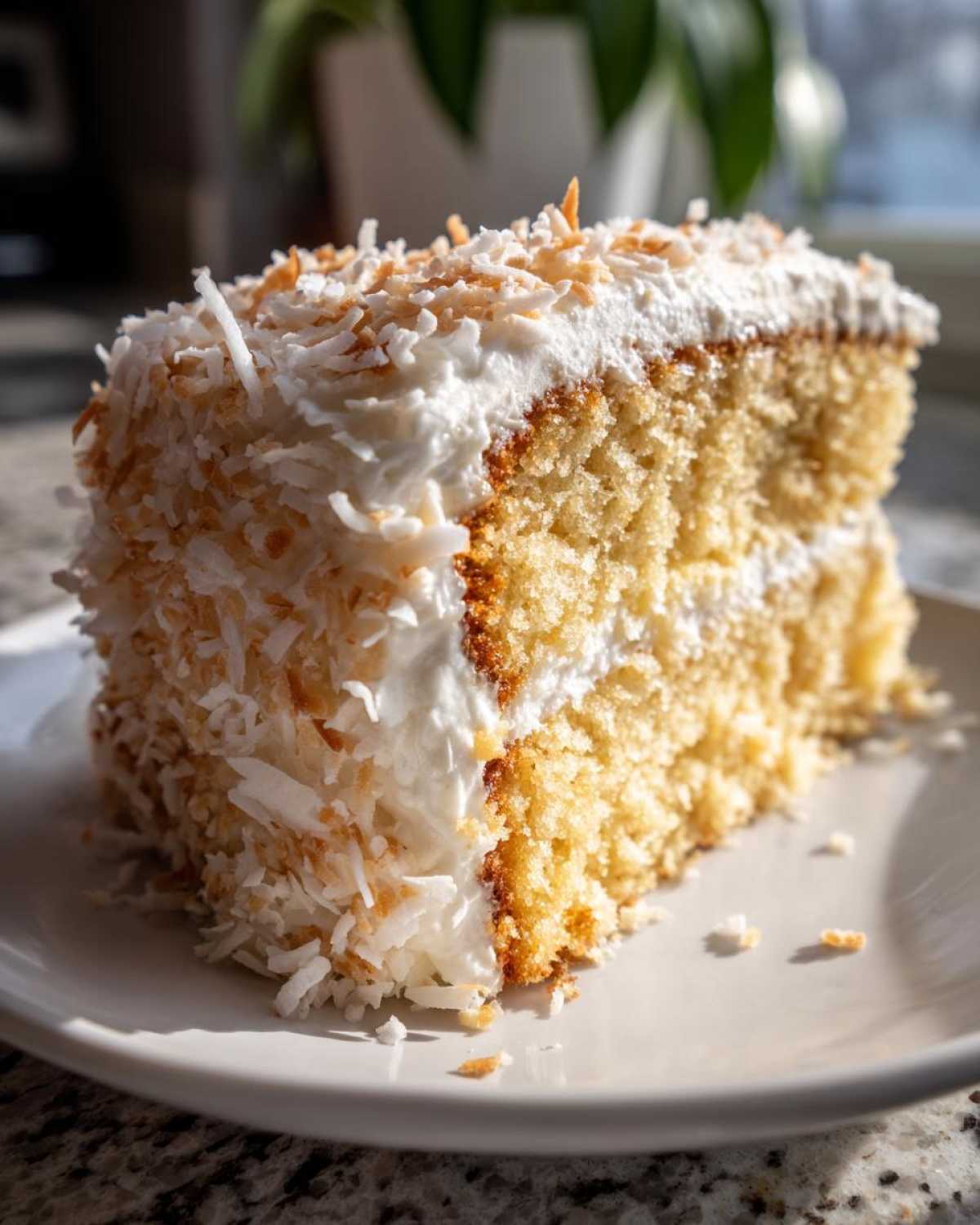
The magic happens because we aren’t just relying on shredded coconut for flavor; we boost that tropical vibe using full-fat coconut milk and that secret weapon, cream of coconut. It gives the crumb incredible tenderness you just don’t get otherwise.
Achieving That Fluffy Coconut Cake Texture
The secret to a truly fluffy coconut cake lies in how we treat the butter and sugar. We don’t rush the creaming stage! Taking time to beat that butter until it’s pale and lovely really incorporates the air needed for lift. Also, resisting the urge to dump all the liquids in at once and instead alternating our dry and wet ingredients keeps that air locked in where it belongs. That’s how we keep the layers feather-light and beautiful.
Gathering Ingredients for Your Southern Coconut Cake
Okay, now that you know this Southern coconut cake is worth the effort, let’s talk ingredients! Baking is a science, right? And Noah, being the technical one, has made sure every measurement here is locked down tight. Gathering everything first—what we bakers call mise en place—is crucial here, especially since we have a lot of coconut going on! We treat the cake and the frosting components separately so nothing gets mixed up during the excitement.
Ingredients for the Light Fluffy Cake Layers
For the cake layers, you want to make sure you have your butter properly softened, not melted—that makes a huge difference in the final fluffiness! We’re combining the usual suspects with a little tropical magic here. Don’t forget that specific measurement of sweetened shredded coconut recipe for the batter itself; it melts slightly to give you that interior richness.
- 2 1/2 cups all-purpose flour
- 1 1/2 cups granulated sugar
- 1 tablespoon baking powder
- 1/2 teaspoon salt
- 1 cup unsalted butter, softened
- 4 large eggs
- 1 cup whole milk
- 1 teaspoon vanilla extract
- 1/2 cup coconut milk (full fat)
- 1 cup sweetened shredded coconut (for cake batter)
Ingredients for the Coconut Cream Frosting Homemade
This frosting is heavenly; it’s rich but still manages to feel light, almost like a dream! The cream cheese is optional for some traditional takes, but I think that tiny bit of tang keeps this coconut frosting homemade from tasting too sweet. And the cream of coconut? That’s our guaranteed moisture and flavor booster. Make sure your butter and cream cheese are nice and soft before beating!
- 1 cup unsalted butter, softened (for frosting)
- 4 cups powdered sugar, sifted
- 1/2 cup cream cheese, softened
- 1 teaspoon coconut extract
- 1/4 cup heavy cream
- 2 cups sweetened flaked coconut (for coating)
Step-by-Step Instructions for the Best Coconut Cake
Whew, we’ve got all our beautiful ingredients lined up! Now comes the fun part: bringing this tropical dream to life. Baking this masterpiece is super straightforward, but trust me, giving each stage the proper attention is what separates a tasty cake from a show-stopping one. I’ve broken down the whole process into three manageable chunks for you. Since this is a big coconut layer cake, we’ll focus first on the baking of those light layers, then the dreamy frosting, and finally, putting it all together. If you’ve got a good playlist going, you can read more amazing baking ideas over on the Spoon Swirl blog archive while you work!
Preparing and Baking Your Coconut Layer Cake
First things first, get that oven preheated to 350°F (175°C). Go ahead and prep your pans—grease, flour, and definitely line the bottoms with parchment paper. That little extra step saves so much heartache later! In one bowl, whisk your dry stuff (flour, baking powder, salt). In your mixer, cream that butter and sugar until it’s truly light and fluffy—this is key for that moist coconut cake recipe texture.
Add your eggs one by one, mixing well. Then, we alternate! Add some dry, then some wet (milk/coconut milk mix), repeat, and finish with the dry. Mix only until *just* combined, okay? Overmixing is the enemy here! Gently fold in the shredded coconut. Divide the batter evenly into your pans and bake for about 28 to 32 minutes. When a toothpick comes out clean, pull them out, but don’t rush the cooling! Let them hang out in those warm pans for a good 10 minutes before turning them out onto a rack to cool completely. Seriously, don’t try to flip them hot!
Making the Rich Coconut Cream Cake Recipe Frosting
While those layers are cooling down, let’s tackle the frosting because we need the cake to be stone cold before we frost it. In your mixing bowl, beat the frosting butter and cream cheese until they are super smooth—no lumps allowed! Now, start adding your sifted powdered sugar slowly. Seriously, start on low speed, or you’ll be wearing sugar dust!
Once that starts coming together, you can bump up the speed. Add your coconut extract and heavy cream. This is where you watch the magic happen! Beat it on medium-high until it gets light and fluffy, just like we want. If it looks a little too stiff for your liking—maybe your cream cheese was extra firm—just splash in a teaspoon more heavy cream until it spreads like silk. Remember, we are making the coconut cream cake recipe frosting, so it needs to be perfect!
Assembling and Finishing Your Coconut Cake
Once those layers are totally cool—and I mean totally, otherwise the frosting will slide right off—it’s time to stack! Put your first layer down, spread a nice, even layer of that rich frosting, and then carefully place the second layer on top. Always frost the top and then tackle the sides. Use an offset spatula for the smoothest finish. Now for the fun, snowy part: grab those 2 cups of flaked coconut and press them gently onto the top and sides. Don’t just sprinkle; press! It adheres much better.
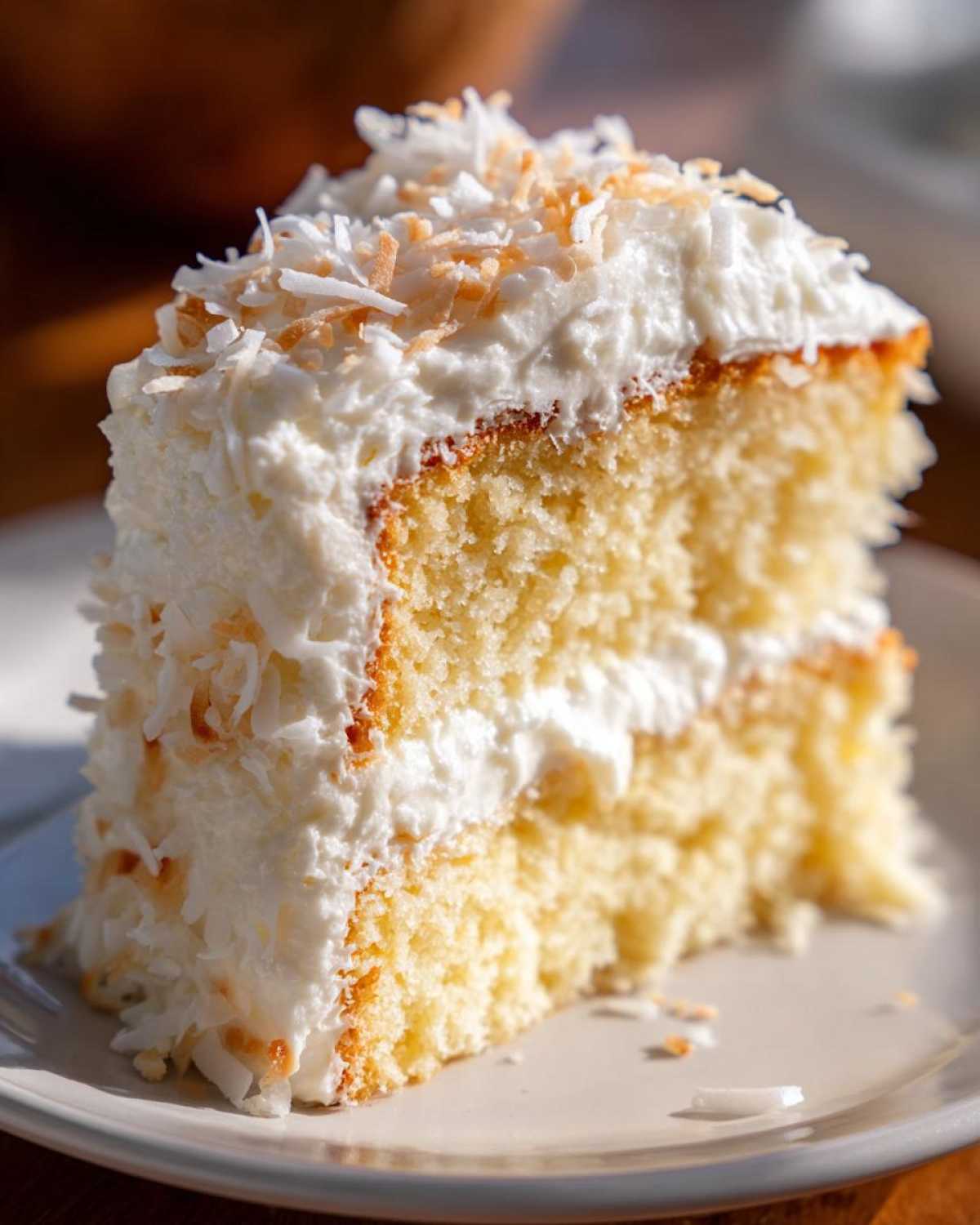
My final, non-negotiable step for the absolute best texture is this: Pop the whole beautiful thing into the fridge for at least 30 minutes before you even think about slicing it. That little chill time settles the layers and firms up the frosting, ensuring those beautiful slices come out clean! Enjoy watching people’s faces when they take that first bite.
Tips for a Truly Perfect Homemade Coconut Cake
You’ve baked the cake, you’ve whipped the frosting—congratulations! But if you really want to elevate this from a great cake to the best coconut cake you’ve ever made, there are a couple of little tricks I learned along the way. Think of these as the final polish that turns this into a show-stopping tropical coconut dessert. These tips make an already great recipe absolutely unforgettable, and they really show off that tried-and-true knowledge you expect from an experienced baker like me!
I even found this piece from Bake & Savor that talks about similar layering secrets, so you know we’re on the right track!
Ingredient Secrets for Extra Moist Coconut Cake
I mentioned this briefly in the notes, but I need to shout it from the rooftops: if you want the most decadent, moist coconut cake recipe imaginable, you need to give your cooled layers a little drink. After the cakes are completely cool, take that 1/4 cup of cream of coconut (the thick, sweet stuff, like Coco Lopez) and mix it with just two tablespoons of regular milk.
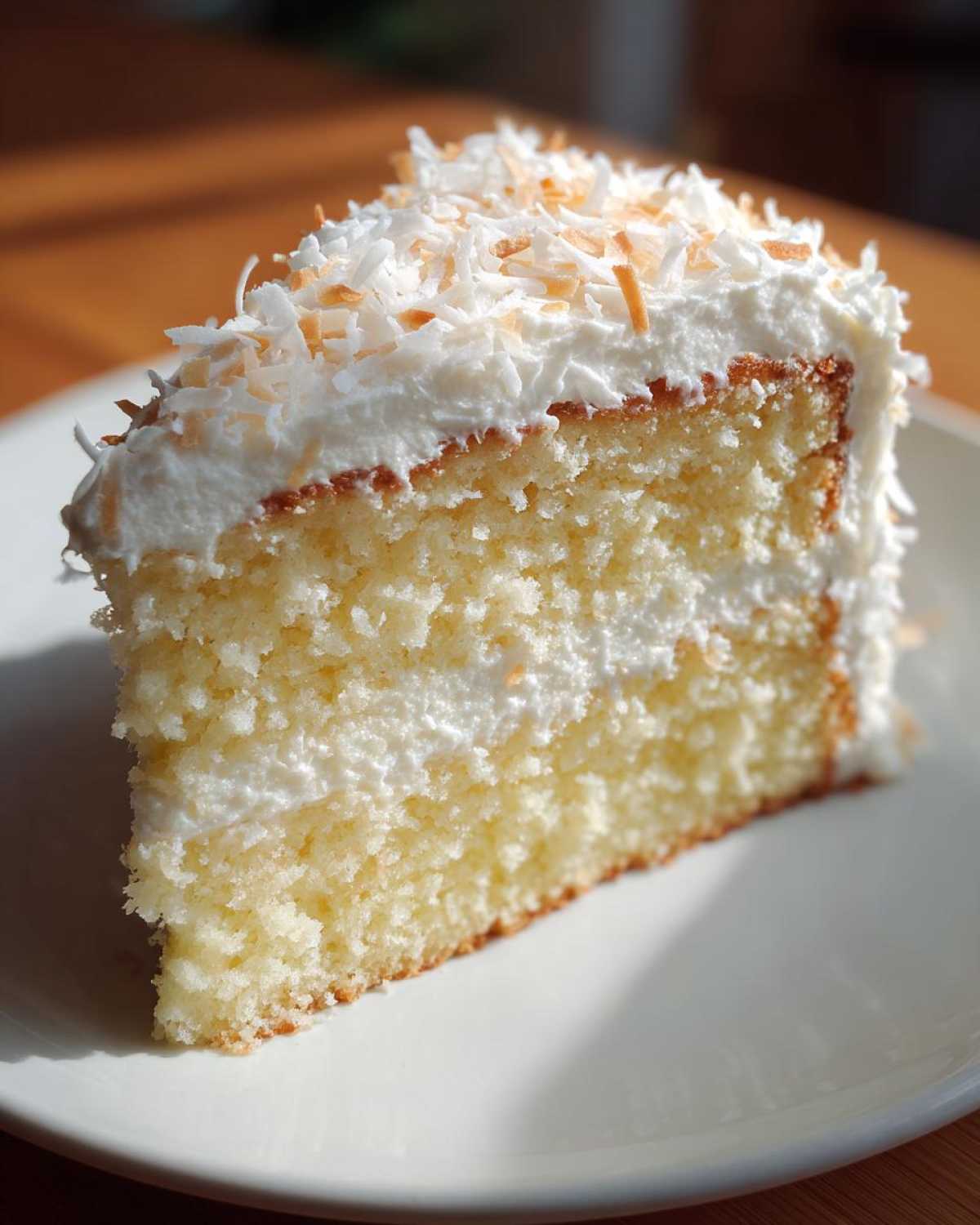
Then, using a pastry brush—or even just the back of a spoon if you’re feeling brave!—gently brush this mixture over the top of each layer. You aren’t soaking the cake until it’s soggy, no way! You’re just encouraging it to absorb that extra tropical moisture right where it needs it most. It locks everything down and prevents any potential dryness before you even start frosting. Trust me, this step is non-negotiable for that melt-in-your-mouth quality.
Boosting the Coconut Flavor in Your Coconut Cake
If you are a true coconut fanatic, you can push the coconut flavor even further in the actual cake batter. The recipe already calls for 1/2 cup of full-fat coconut milk, which is fantastic, but for maximum intensity, you can swap out the whole milk entirely. Instead of using 1 cup of whole milk, use 1 cup of coconut milk instead.
Now, coconut milk comes in all sorts of fat percentages, so stick to the full-fat canned version if you can. It gives you the richness needed for structure while ensuring that amazing, deep tropical note comes through in every single bite of your fluffy coconut cake layers. It’s such an easy swap for those who want that intense, authentic flavor!
Variations on the Classic Coconut Cake
I love sticking to tradition, but part of the fun of having a reliable base recipe like this coconut cream cake recipe is knowing you can tweak it for different moods or parties. Sometimes you want something super quick, and sometimes you want a showstopper that travels well. I used to think layer cakes were the only way to go, but I’ve learned flexibility is key in the kitchen. Changing the pan shape completely changes the experience!
For instance, if you’re having a casual afternoon get-together, turning this into a poke cake is such a brilliant idea. I saw a fantastic version of a coconut cream poke cake over at The Country Cook, and it really inspired me to think outside the three-layer box. Since the cake is so moist already, soaking it in an extra liquid just amps up that tropical flavor beautifully.
If you are worried about transporting a towering layer cake, making a coconut bundt cake is your best friend. You can use the exact same batter! Just make sure your Bundt pan is greased *incredibly* well—I use the homemade cake goop trick for those intricate designs. The baking time will definitely be longer, sometimes pushing 50 to 60 minutes depending on the pan depth, so keep an eye on it. When you pull it out, you can dust it simply with powdered sugar, or pour a thin coconut glaze over the top while it’s still warm. It looks sophisticated, tastes amazing, and requires way less structural engineering than stacking layers!
Serving Suggestions for Your Coconut Layer Cake
Now that you have this absolutely stunning, sweet, and tender coconut layer cake ready to go, we need to talk about the perfect entourage! You can’t serve a dessert this magnificent just sitting on the counter, right? It needs proper fanfare. This cake screams celebration, whether it’s a big milestone, a holiday gathering, or just a fantastic Sunday dinner where you need spectacular birthday cake ideas coconut style.
Because the cake layers themselves are so rich with coconut and the frosting is so creamy, I like serving something alongside that cuts through a little bit of that sweetness but still keeps that tropical vibe going strong if possible. Or, if you’re feeling decadent, you can lean right into the sweetness—I won’t judge!
For a beverage pairing that I personally adore, I always mix up one of my favorite refreshers, like the Dark Chocolate Mint Breakfast Smoothie (yes, even for dessert, it’s surprisingly good when you need something cool and not quite as heavy as coffee!). If you want something lighter, a crisp cup of iced black tea or even a sparkling lemonade works wonders.
As for sides? Don’t weigh down this beautiful cake with heavy accompaniments. A small bowl of very fresh, slightly tart berries—like raspberries or blackberries—offers a lovely color contrast and a much-needed acidic balance to the fatty cream cheese frosting. If you are feeling really fancy, sometimes a delicate side of fresh pineapple chunks or mango slices is the perfect light, tropical coconut dessert accent. Keep it simple, let that fluffy coconut cake truly shine!
Storing and Keeping Your Coconut Cake Fresh
This cake is so good, there’s a real chance you won’t have any leftovers! But just in case you do manage to save a few slices of your beautiful homemade coconut cake, we need to talk storage. Unlike a plain butter cake, this has that glorious cream cheese and heavy cream in the frosting, which means we absolutely must treat it like a dairy product.
The short answer is: this beautiful coconut layer cake needs to live in the refrigerator. Keeping it sealed tightly, either under a large cake dome or in an airtight container, will keep it fresh for about three to four days. Covering it well is super important because coconut tends to dry out if it’s left exposed, even in the fridge!
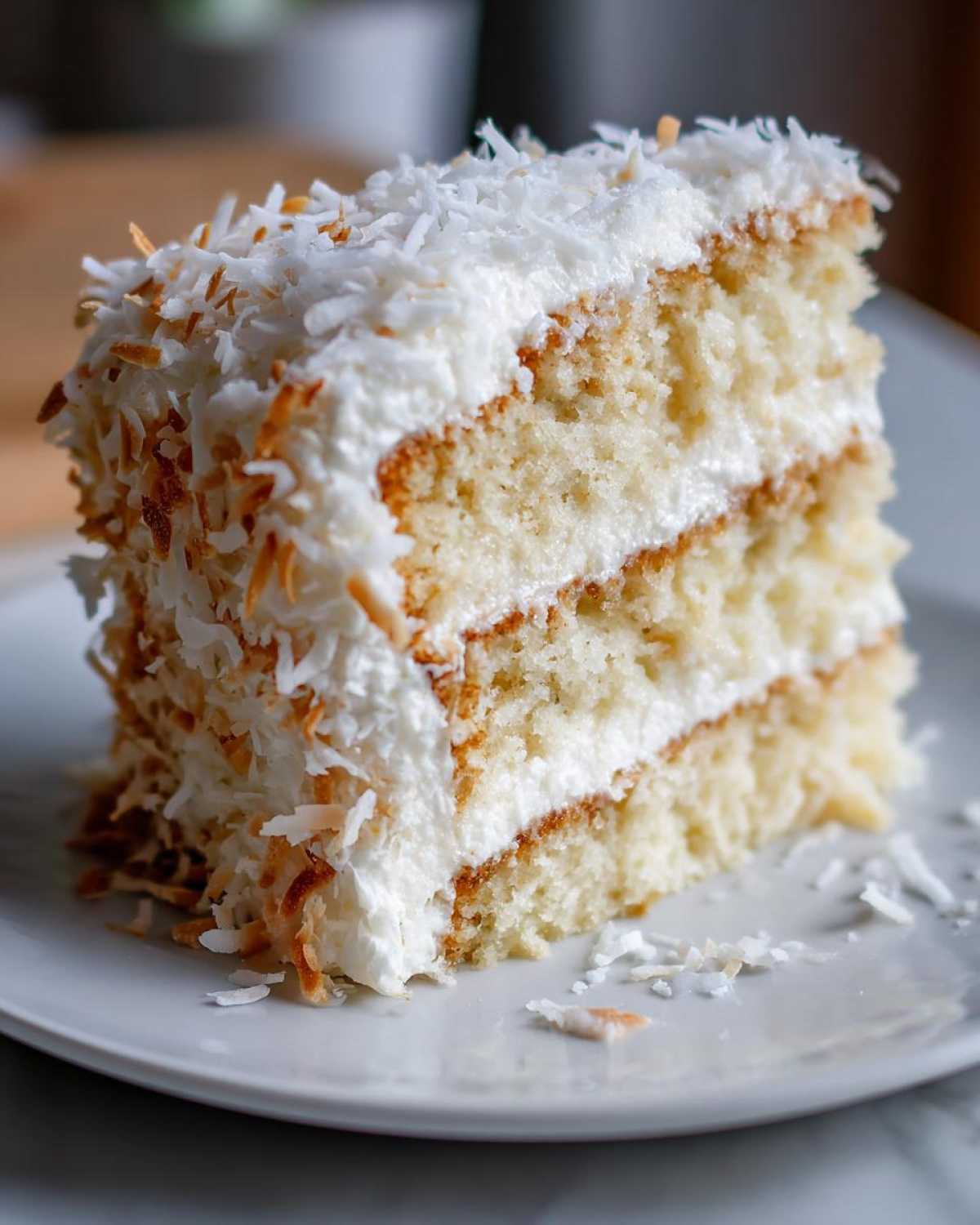
Now, here’s the big caveat, Noah swears by this: Don’t serve it straight out of the fridge! I know, it’s the safe move, but cold frosting and cold cake just don’t have the same lovely texture. A slice taken right out of the fridge will taste dense and the frosting will feel waxy. That’s a tragedy for something this fluffy coconut cake!
So, here’s my little routine for serving leftovers. Take the piece you want to eat out of the refrigerator about 45 minutes to an hour before you plan on serving it. This little bit of time at room temperature allows the butter and cream cheese in the frosting to soften up just a tiny bit, bringing back that creamy, decadent, melt-in-your-mouth quality we worked so hard for. It brings the whole Southern coconut cake experience right back to life. Seriously, give it that time to warm up just slightly—you won’t regret letting that tropical flavor bloom again!
Frequently Asked Questions About This Coconut Cake Recipe
I totally get it; when you’re making a show-stopping cake like this, you want everything to be perfect before you even turn the oven on. I’ve gathered up the questions I get asked most often about ensuring this coconut cream cake recipe turns out exactly as it should. Don’t worry if something feels tricky; we’re going to walk through it together so you end up with nothing less than the best coconut cake!
Can I make this a coconut layer cake using only two pans?
Oh, absolutely! Most of us don’t always have three matching 8-inch pans lying around, and that’s totally fine. If you are only using two pans, just divide the batter evenly between them. Since the layers will be thicker, you definitely need to adjust your baking time. I’d start checking them around 35 minutes, but they might need closer to 40 or even 45 minutes to cook all the way through in the center. Keep an eye on that toothpick test, and remember, a slightly longer bake time on thicker layers is better than an underbaked center!
What is the difference between cream of coconut and coconut milk?
This is such an important distinction, especially in a recipe aiming for a true Southern coconut cake experience! They are honestly like night and day. Coconut milk, the kind you might use in a curry, is thinner and provides liquid richness to the batter. But cream of coconut (you often find this brand name Coco Lopez) is very thick, super sweet, sometimes almost syrupy, because it has sugar added in. We use the coconut milk for moisture balance in the actual cake batter. We use the cream of coconut specifically to soak the layers later or for that intense tropical flavor boost in the frosting, because it’s basically coconut-flavored condensed milk!
How can I make this an easy coconut cake for a smaller gathering?
If you only need something smaller than a three-layer behemoth, you have a couple of easy outs! Converting this into an easy coconut cake is simple if you bake it in a 9×13 inch pan instead of rounds. You’ll just pour all the batter into the prepared sheet pan and bake it slightly longer—maybe 10 minutes more—until the middle is set. That’s perfect for serving a crowd buffet-style! If you’re aiming for something even smaller, say for a weekend treat, you can divide the batter among standard cupcake liners. They will bake much faster, probably around 18 to 20 minutes tops. You get all that flavor in one perfect bite!
Estimating the Nutrition for Your Coconut Cake
Now, I know some of you are really focused on the numbers, and that’s smart! We like knowing what we’re eating, even when we are indulging in something as spectacular as this coconut layer cake. I plugged all our lovely ingredients into a nutrition calculator to give you a rough ballpark figure for one slice. Keep in mind that since this is a very rich and bakery style coconut cake, the numbers lean toward the decadent side—and that’s okay! Those fats and sugars are what give us that incredible texture and flavor we both worked so hard to achieve.
Please remember, this is just an estimate based on standard measurement conversions. Since we all use different brands of butter or slightly different amounts of that glorious frosting, these values can change. For the most official details, always refer to the specific product labels you use. You can always read more about how we handle nutritional info disclosures over on our disclaimer page if you’re curious!
- **Serving Size:** 1 slice
- **Calories:** 480
- **Sugar:** 55g
- **Sodium:** 250mg
- **Fat:** 28g
- **Saturated Fat:** 17g
- **Unsaturated Fat:** 11g
- **Trans Fat:** 0.5g
- **Carbohydrates:** 58g
- **Fiber:** 2g
- **Protein:** 5g
- **Cholesterol:** 105mg
Look at that fat content—that’s the sign of a truly rich, moist cake, my friends! If you wanted a lighter take, you could try reducing the butter in the frosting slightly, but honestly, I think the richness keeps this homemade coconut cake so deliciously satisfying that you only need one slice. It’s worth every single delightful crumb!
Share Your Spoon Swirl Coconut Cake Moments
Wow, you made it! You’ve conquered the layers, whipped the dreamiest frosting, and finally created what I hope is the most spectacular coconut cake you’ve ever bitten into. That first forkful, when the cake melts and that coconut flavor just sings—there’s nothing else like it, is there? I really, truly hope this recipe brought a little bit of that quiet joy and comfort into your kitchen that baking brings into ours.
We put so much heart into developing this recipe, and honestly, the very best part of running Spoon Swirl is seeing what you all create. I always want to know the little details—did you use the coconut milk swap? Did you manage to keep any leftovers overnight? Did your family ask for seconds immediately?
If you loved this classic coconut dessert as much as we do and you managed to get those beautiful, fluffy layers just right, please, please leave a five-star rating right down below! Ratings help other bakers find dependable recipes, and that means the world to us. And hey, if you snapped a picture of your finished beauty—especially if you managed to get that snowy coating just perfect—I would absolutely love to see it! Tag us or send a note through our contact page. Sharing your moments truly completes our baking journey. Happy swirling, friends!
PrintThe Best Moist & Fluffy Southern Coconut Cream Cake Recipe
Bake a truly delicious classic coconut cake perfect for any celebration. This recipe delivers moist, fluffy layers and rich coconut cream frosting for a bakery-style dessert.
- Prep Time: 35 min
- Cook Time: 30 min
- Total Time: 65 min
- Yield: 12 servings
- Category: Dessert
- Method: Baking
- Cuisine: American
- Diet: Vegetarian
Ingredients
- 2 1/2 cups all-purpose flour
- 1 1/2 cups granulated sugar
- 1 tablespoon baking powder
- 1/2 teaspoon salt
- 1 cup unsalted butter, softened
- 4 large eggs
- 1 cup whole milk
- 1 teaspoon vanilla extract
- 1/2 cup coconut milk (full fat)
- 1 cup sweetened shredded coconut (for cake batter)
- 1/2 cup cream of coconut (like Coco Lopez)
- 1 cup unsalted butter, softened (for frosting)
- 4 cups powdered sugar, sifted
- 1/2 cup cream cheese, softened
- 1 teaspoon coconut extract
- 1/4 cup heavy cream
- 2 cups sweetened flaked coconut (for coating)
Instructions
- Preheat your oven to 350°F (175°C). Grease and flour three 8-inch round cake pans. Line the bottoms with parchment paper.
- In a large bowl, whisk together the flour, baking powder, and salt. Set aside.
- In a separate large bowl, cream together the 1 cup of softened butter and 1 1/2 cups of sugar until light and fluffy.
- Beat in the eggs one at a time, mixing well after each addition. Stir in the vanilla extract.
- In a small bowl, whisk together the whole milk and 1/2 cup coconut milk.
- Gradually add the dry ingredients to the wet ingredients, alternating with the milk mixture, beginning and ending with the dry ingredients. Mix until just combined. Do not overmix.
- Gently fold in the 1 cup of shredded coconut.
- Divide the batter evenly among the prepared cake pans. Bake for 28 to 32 minutes, or until a toothpick inserted into the center comes out clean.
- Let the cakes cool in the pans for 10 minutes before inverting them onto a wire rack to cool completely.
- Prepare the Coconut Cream Frosting: In a large bowl, beat the 1 cup of softened butter and cream cheese until smooth. Gradually add the sifted powdered sugar, mixing on low speed until combined.
- Add the coconut extract and heavy cream. Beat on medium-high speed until the frosting is light and fluffy. If the frosting is too thick, add a tiny bit more heavy cream.
- Once the cakes are completely cool, place the first layer on a serving plate. Spread a layer of frosting over the top. Repeat with the second layer. Place the final layer on top.
- Frost the top and sides of the entire cake with the remaining frosting.
- Press the 2 cups of flaked coconut onto the top and sides of the cake for a beautiful, snowy finish.
- Chill the cake for at least 30 minutes before slicing and serving for the best texture.
Notes
- For extra moist coconut cake layers, you can brush the cooled layers lightly with a mixture of 1/4 cup cream of coconut and 2 tablespoons of milk before frosting.
- If you want a stronger coconut flavor, use coconut milk instead of whole milk in the cake batter.
- This cake is wonderful for birthdays or holidays when you need a show-stopping dessert.
Nutrition
- Serving Size: 1 slice
- Calories: 480
- Sugar: 55g
- Sodium: 250mg
- Fat: 28g
- Saturated Fat: 17g
- Unsaturated Fat: 11g
- Trans Fat: 0.5g
- Carbohydrates: 58g
- Fiber: 2g
- Protein: 5g
- Cholesterol: 105mg