

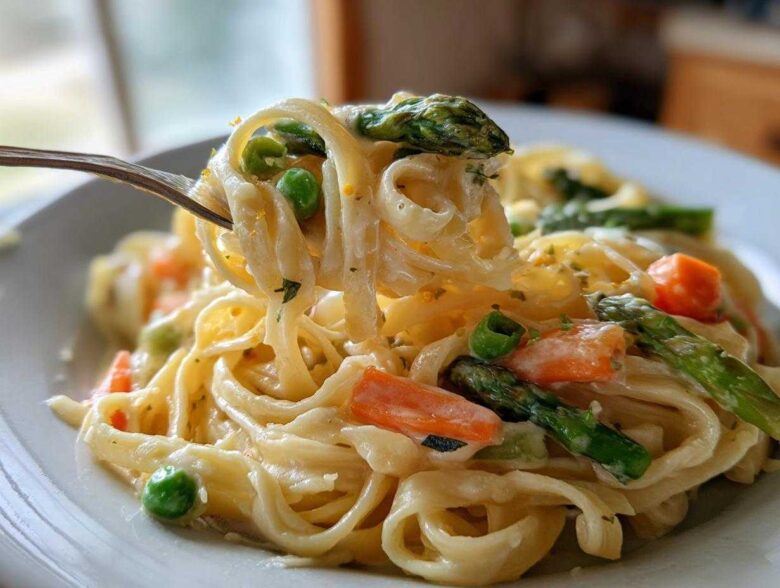
Oh my goodness, if there’s one dish that screams ‘Sunshine is finally here!’ it has to be Pasta Primavera. I wait all year for those first bright green snap peas and crisp asparagus tips, and when I finally get my hands on them, there is no hesitation—it’s time to cook! Forget those bland, heavy versions you sometimes find; my go-to recipe for the absolute best **Pasta Primavera** delivers that beautiful, garden-fresh flavor we crave, but wrapped up in the silkiest, lightest creamy sauce you’ve ever tasted.
Trust me, this creamy sauce isn’t heavy at all; it’s brightened up perfectly with lemon zest, making it taste like spring exploded in your mouth! We are going to use simple techniques to build flavor fast, so you can get this incredible **Pasta Primavera** on the table even on a busy Tuesday night. This is truly the definitive guide to mastering that fresh vegetable pasta dish!
Why This Creamy Pasta Primavera Recipe Stands Out
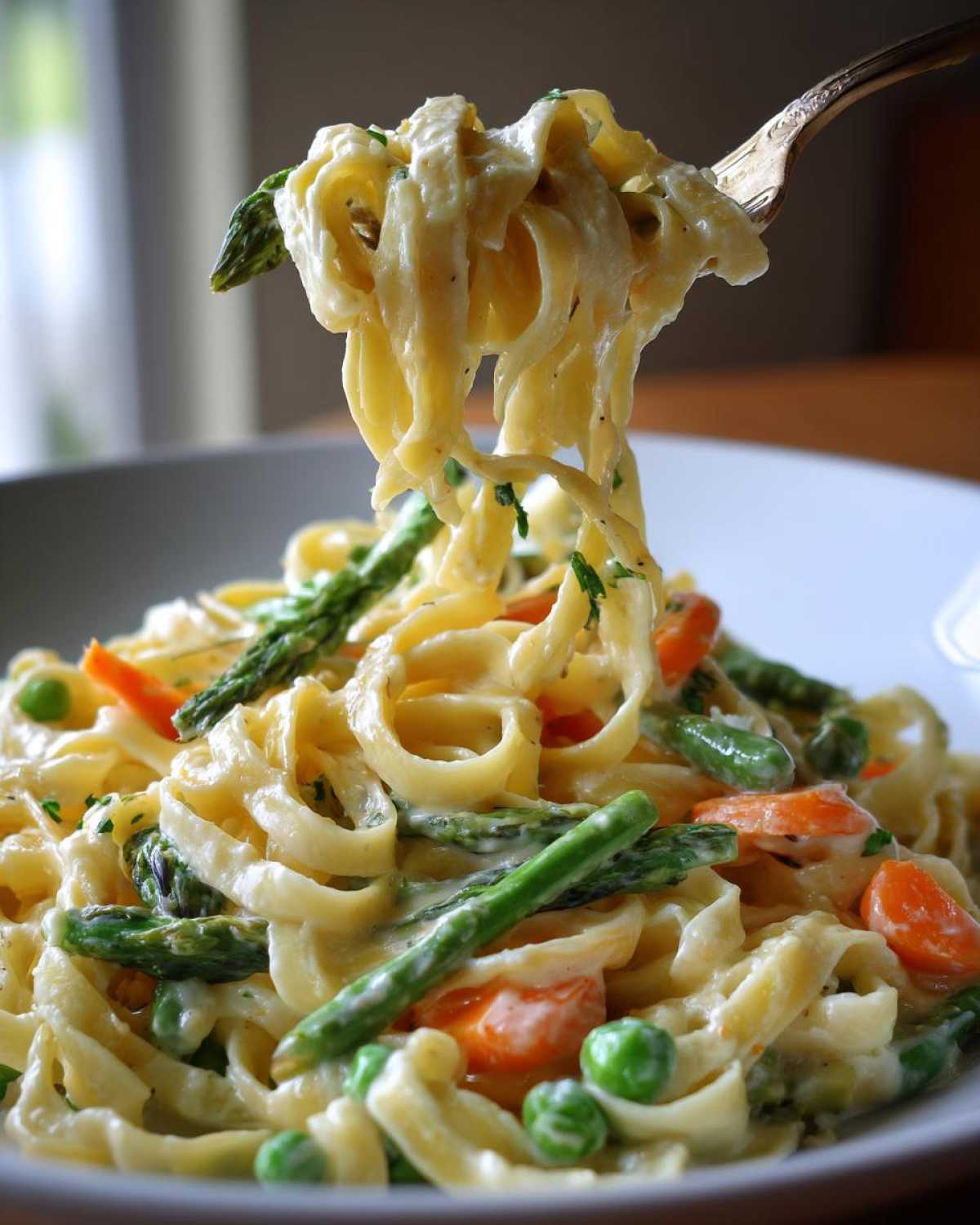
So many recipes claim to be perfect, but this creamy Pasta Primavera is different. I’ve tweaked it constantly to strike that perfect balance. It’s decadent enough to feel special but light enough that you don’t need a nap afterward!
- It cooks faster than takeout! Seriously, the whole thing comes together in about 35 minutes. Hello, quick weeknight primavera!
- We use reserved pasta water and fresh lemon to keep that creamy sauce from feeling heavy.
- The focus is 100% on those vibrant, slightly crisp spring vegetables—they shine through every bite.
Gathering Ingredients for Your Pasta Primavera
Okay, listen up! The success of any Pasta Primavera hinges entirely on what you bring to the table. This dish is celebrated because it uses the best of the season, that gorgeous bounty when everything in the garden is coming alive. You want your vegetables bright, crisp, and full of life—not mushy gray things floating in sauce! Don’t even think about using dried herbs here; the fresh parsley is non-negotiable. It’s what gives that final, beautiful lift to the whole plate. This isn’t just about throwing veggies into pasta; it’s about celebrating spring flavor!
Grab everything you need before you even turn the stove on, because once you start sautéing these veggies, things move fast. You’ll want to have your cream measured, your lemon zested, and your cheese ready to go. It makes the whole process way less frantic and ensures you get that perfect, restaurant-quality result every single time.
Specific Ingredient Notes and Substitutions for Pasta Primavera
I know sometimes you have to work with what you have, and that’s fine! If you don’t have dry white wine, please don’t panic; vegetable broth works wonderfully and keeps that lovely deglazing flavor. If you are worried about richness, you can totally shift towards light primavera sauce ideas by swapping half of that heavy cream for whole milk or half-and-half, though I personally stick to the full cream for that velvety mouthfeel.
Also, check the recipe notes—if you’re using super hard carrots, blanching them for two minutes before they hit the hot pan makes a huge difference in texture. And always use high-quality Parmesan! That sharp, salty cheese melts right into the sauce, giving it body and flavor that substitutes just can’t match. If you want to make it vegetarian, make sure your broth isn’t chicken-based, obviously!
Step-by-Step Guide: How to Make Pasta Primavera
Now for the fun part—we turn those gorgeous ingredients into magic! I always tell people that making the best Pasta Primavera is less about following strict rules and more about timing your steps right. Since we are aiming for that perfect balance where the sauce clings beautifully but the vegetables still have a little bite, efficiency is key. You have about 20 minutes of actual cooking time here, so make sure your cutting board is cleared and everything is near the stove. If you follow these steps exactly as I do them, you’ll have a restaurant-quality spring vegetable pasta recipe ready to serve almost instantly!
Preparing the Pasta and Vegetables for Pasta Primavera
First things first: get that pasta water boiling! As soon as you drop your fettuccine or penne, start prepping your veggies. You want them to hit the hot skillet in stages to ensure everything cooks evenly. Broccoli and carrots take a little longer, so they go in first with the olive oil. They need about four minutes to get slightly tender—we are not making mush, remember! Next come the asparagus pieces and peas, which cook quickly. Toss in the garlic right at the end, just for a minute, until you can smell it. If the garlic burns, you have to start over, so keep that heat medium and watch it close!
Creating the Bright Lemon Herb Sauce for Your Pasta Primavera
This is where the depth comes from! After the veggies do a little dance with the garlic, pour in your white wine or broth. Let it bubble up and reduce down—this process lifts all those yummy, caramelized bits stuck to the bottom of the pan. That’s pure flavor right there, chefs! Once it’s reduced by about half, turn the heat down low, low, low. Now, stir in your heavy cream, Parmesan, lemon zest, and that zingy lemon juice. Keep stirring until it’s smooth. This gentle heating is crucial to avoid splitting the cream, which is a key part of successful sauce techniques for vegetable pasta.
Finishing and Tossing the Easy Creamy Pasta Primavera
Once your sauce is seasoned just right with salt and pepper, it’s time to marry the pasta and the vegetables! Dump the drained pasta right into the skillet. Toss everything vigorously to make sure every single noodle gets coated in that gorgeous sauce. If the sauce seems too tight or stiff—and sometimes it does—just splash in a little bit of that reserved cooking water we saved earlier. That starchy water thins it out perfectly! Finally, stir in all that fresh parsley at the very end for color and freshness. Don’t cook it anymore; we just want to mix it in before serving this easy creamy pasta primavera immediately!
Choosing the Right Pasta for Your Pasta Primavera
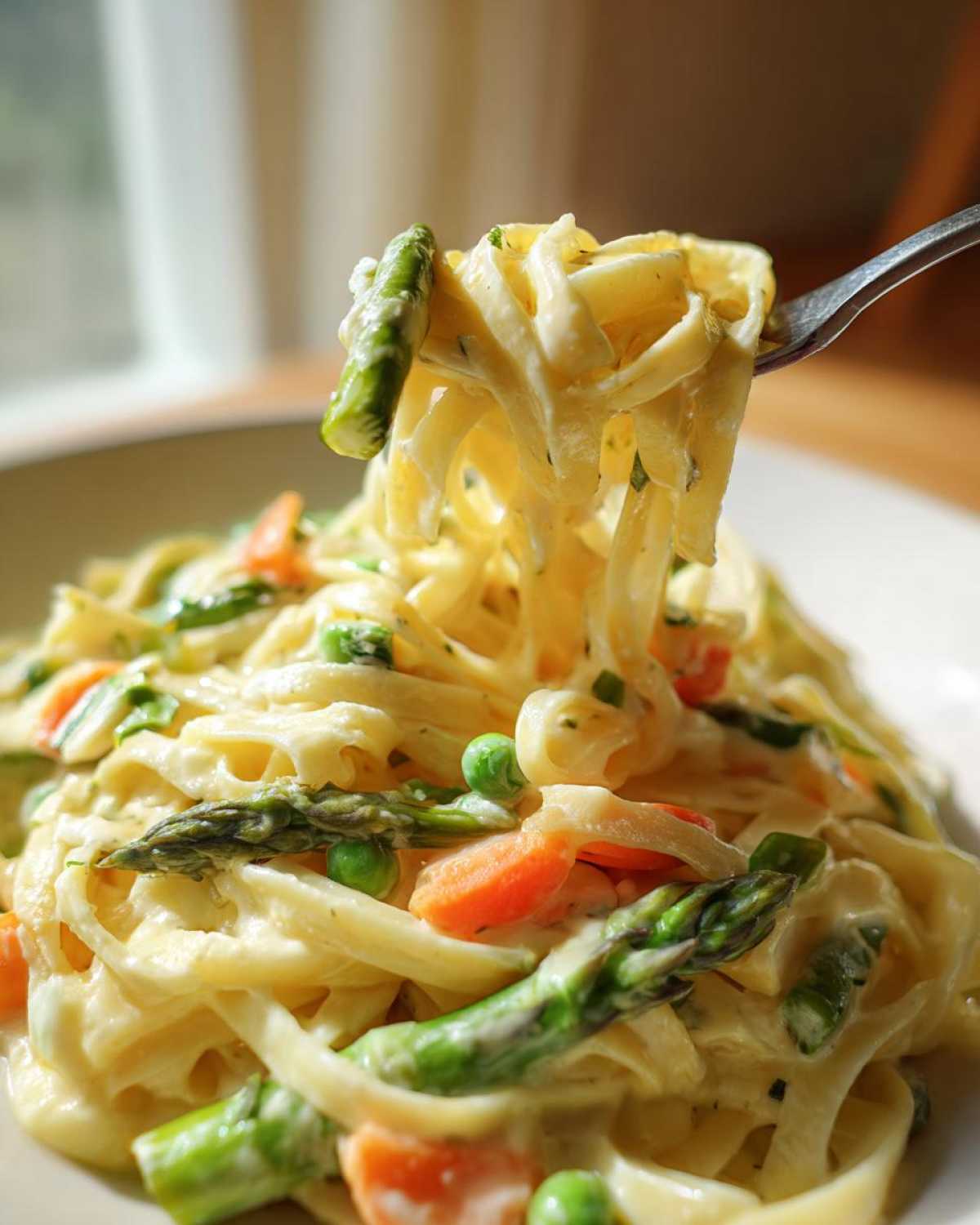
People often think any noodle will do for an amazing Pasta Primavera, but I disagree! The shape matters a lot, especially when you have a creamy sauce trying to coat all those chunky vegetables. My favorite has always been fettuccine because those long strands mix beautifully with the sauce. Penne is a close second because the sauce manages to sneak inside those little tubes!
But hey, if you look at the notes, you know I’m a huge fan of shapes that really trap the sauce, like rotini or even farfalle (the bow ties). They grab onto the creamy bits and the tiny bits of herbs, making for a truly satisfying bite every time you eat this best pasta for primavera. Honestly, picking the right shape elevates this simple dish!
Tips for the Perfect Fresh Vegetable Pasta Dish
Once you nail the basic steps, these little tweaks are what separate a good vegetable pasta from a truly spectacular one. The biggest mistake I see people make is letting the vegetables cook too long. We want them crisp-tender! Think three minutes less than you think you should cook them, because they’ll keep cooking for a minute or two while you are tossing everything together.
Heat management is huge too. When you add the cream and cheese, you absolutely *must* have the heat on low. If it’s too high, the proteins in the dairy seize up, and you end up with grainy sauce instead of that wonderful, smooth emulsion we’re aiming for in this bright spring vegetable pasta.
And finally, taste everything before you serve it! A squeeze of lemon juice or a pinch of salt right at the end can wake up all those spring flavors. Don’t be shy with the pepper either; freshly cracked black pepper makes a huge difference in a dish this fresh.
Serving Suggestions for Your Garden Fresh Pasta Primavera Dinner
This Pasta Primavera is so vibrant, it really doesn’t need much company on the plate! However, if you’re serving it as the main course for a big crowd, crusty Italian bread is mandatory for dipping up that leftover creamy sauce. It’s the best part, seriously!
Since this is already a vegetarian showstopper, if you need more protein, grilled chicken breast or simple sautéed shrimp toss through beautifully without overpowering the fresh vegetables. For a lighter side, I adore serving it alongside something tangy, like my strawberry-cucumber salsa. It makes for the perfect garden fresh pasta dinner experience!
Storage and Reheating Instructions
If you’re lucky enough to have leftovers of this gorgeous pasta, store them in an airtight container in the fridge for up to three days. Unfortunately, creamy sauces stiffen up in the cold, so don’t be surprised! When you go to reheat your pasta, you absolutely must thin it back out.
I always add a good splash of milk or a little bit of fresh broth while warming it gently on the stovetop. Don’t microwave it on high, or you risk boiling the cream! A low and slow reheat keeps your leftovers tasting almost as good as they did fresh.
Frequently Asked Questions About Pasta Primavera
I get asked about this dish constantly! It’s such a simple setup, but people always have specific questions about swapping ingredients or getting that perfect finish. Here are the ones I hear most often when folks are looking to make the ultimate Pasta Primavera.
Can I make this Pasta Primavera vegan?
Absolutely, yes! It takes a tiny bit of adjustment but totally works for a vegetarian spring pasta meal. Swap the heavy cream for full-fat cashew cream or even a good carton of unsweetened soy cream. For the Parmesan flavor, skip the cheese aisle and go straight for nutritional yeast—it gives you that salty, cheesy depth without any dairy!
What vegetables work best in a Spring Vegetable Pasta Recipe?
While my recipe uses the classics, feel free to customize! Besides the asparagus and peas, I love tossing in some fresh snap peas for crunch. Tiny new potatoes, if you cut them small enough, work well if you blanch them first. And zucchini, cut into half-moons, cooks up beautifully! You’re looking for that spring vegetable pasta recipe vibe, so keep it seasonal!
How do I prevent the sauce from breaking when making Pasta Primavera?
This is the most important trick for any creamy pasta, including this one! When you introduce the cream and cheese, you *must* turn your heat down as low as it will go—think barely simmering. If the heat is too high, the dairy separates, and you get oily streaks. Also, using some of that reserved, starchy pasta water is key; it helps emulsify the fats and keeps the sauce smooth and clingy!
Sharing Your Pasta Primavera Experience
Okay, that’s the whole rundown for making my favorite Pasta Primavera! Now it’s your turn. Did you try it? Tell me what you think! I need to know which vegetable you swapped in—did you use radishes or maybe some fresh shelling beans? Seriously, drop a comment below and rate this recipe out of five stars so I know how it turned out for you! You can also always reach out through my contact page if you have any burning questions!
PrintClassic Creamy Vegetable Pasta Primavera with Lemon Zest
This recipe provides instructions for a simple, creamy pasta dish featuring fresh spring vegetables tossed in a light lemon-herb sauce.
- Prep Time: 15 min
- Cook Time: 20 min
- Total Time: 35 min
- Yield: 4 servings
- Category: Dinner
- Method: Stovetop
- Cuisine: Italian-American
- Diet: Vegetarian
Ingredients
- 1 pound pasta (fettuccine or penne recommended)
- 1 tablespoon olive oil
- 1 cup broccoli florets
- 1 cup sliced carrots
- 1 cup trimmed asparagus spears, cut into 1-inch pieces
- 1 cup frozen peas, thawed
- 2 cloves garlic, minced
- 1/2 cup dry white wine or vegetable broth
- 1 cup heavy cream
- 1/2 cup grated Parmesan cheese
- 1 teaspoon lemon zest
- 2 tablespoons fresh lemon juice
- 1/4 cup fresh parsley, chopped
- Salt and black pepper to taste
Instructions
- Cook the pasta according to package directions until al dente. Reserve 1 cup of the pasta cooking water before draining. Set the drained pasta aside.
- While the pasta cooks, heat the olive oil in a large skillet over medium heat. Add the broccoli and carrots. Cook for 4 minutes until slightly tender.
- Add the asparagus and cook for 3 more minutes. Stir in the thawed peas and minced garlic. Cook for 1 minute until the garlic is fragrant.
- Pour in the white wine or broth. Let it simmer and reduce by half, about 2 minutes.
- Reduce the heat to low. Stir in the heavy cream, Parmesan cheese, lemon zest, and lemon juice. Stir until the sauce is smooth. Season with salt and pepper.
- Add the cooked pasta to the skillet with the sauce and vegetables. Toss to coat everything evenly. If the sauce seems too thick, add the reserved pasta water, one splash at a time, until you reach your desired consistency.
- Stir in the fresh parsley. Serve immediately.
Notes
- Use pasta shapes that hold sauce well, such as rotini or farfalle, if you prefer over long strands.
- For a lighter sauce, substitute half-and-half for the heavy cream and reduce the amount of Parmesan cheese slightly.
- You can blanch the harder vegetables (like carrots and broccoli) for 2 minutes before sautéing to ensure they cook evenly with the softer vegetables.
Nutrition
- Serving Size: 1 serving
- Calories: 650
- Sugar: 7
- Sodium: 450
- Fat: 30
- Saturated Fat: 17
- Unsaturated Fat: 13
- Trans Fat: 1
- Carbohydrates: 75
- Fiber: 6
- Protein: 25
- Cholesterol: 90