

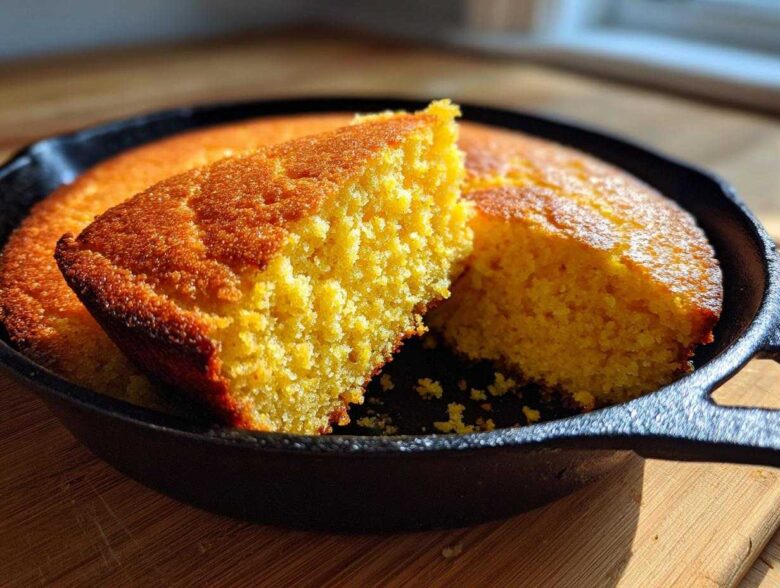
Forget dry, crumbly squares cut from a baking dish—that’s simply not how we do cornbread at my house. The goal, the absolute gold standard, is that crackling, deeply browned perimeter hugged tightly around a center that’s impossibly tender and just bursting with that classic buttermilk tang. Seriously, the best bite of cornbread is the corner piece; you know the one I mean!
This recipe is my definitive guide to mastering Cast Iron Skillet Cornbread that delivers that perfect contrast every single time: moist inside and crispy outside. I remember the first time I tried this technique—I was so nervous pouring the batter into that sizzling hot skillet. But when I pulled it out, the crust was unbelievable! It took years of trial and error, but trust me, once you master the preheat, you’ll never go back to the standard pan again. This is truly the Southern Style Cornbread in Cast Iron you’ve been searching for.
If you’re looking for more reliable baking inspiration, check out everything else we’ve cooked up over on the main blog!
Why This is the Best Cast Iron Cornbread Recipe (E-E-A-T Focus)
Listen, when you commit to the cast iron skillet, you have to commit to the technique. What sets this apart isn’t just the ingredients, though the buttermilk is crucial, it’s the heat transfer we get from that heavy iron. That’s why this is truly the Best Cast Iron Cornbread Recipe you’ll ever try. We aren’t just baking cornbread; we are creating a reaction.
The combination of cold batter hitting super-hot fat is the whole trick. It’s quick, high heat that sets the exterior instantly, locking in every bit of moisture inside. Skip this step, and you end up with a dull bottom crust. Do it right, and you get that amazing texture that Southern cooks chase after.
Achieving the Crispy Skillet Cornbread Crust
The secret weapon here is the preheated fat sitting in the skillet while the oven races toward 425°F. When you pour in the cold batter, that fat instantly sizzles, almost flash-frying the edges and the bottom surface. This creates that intensely flavorful, shattering Crispy Skillet Cornbread Crust we all dream about. It’s almost deep-fried perfection before it even steps back into the oven!
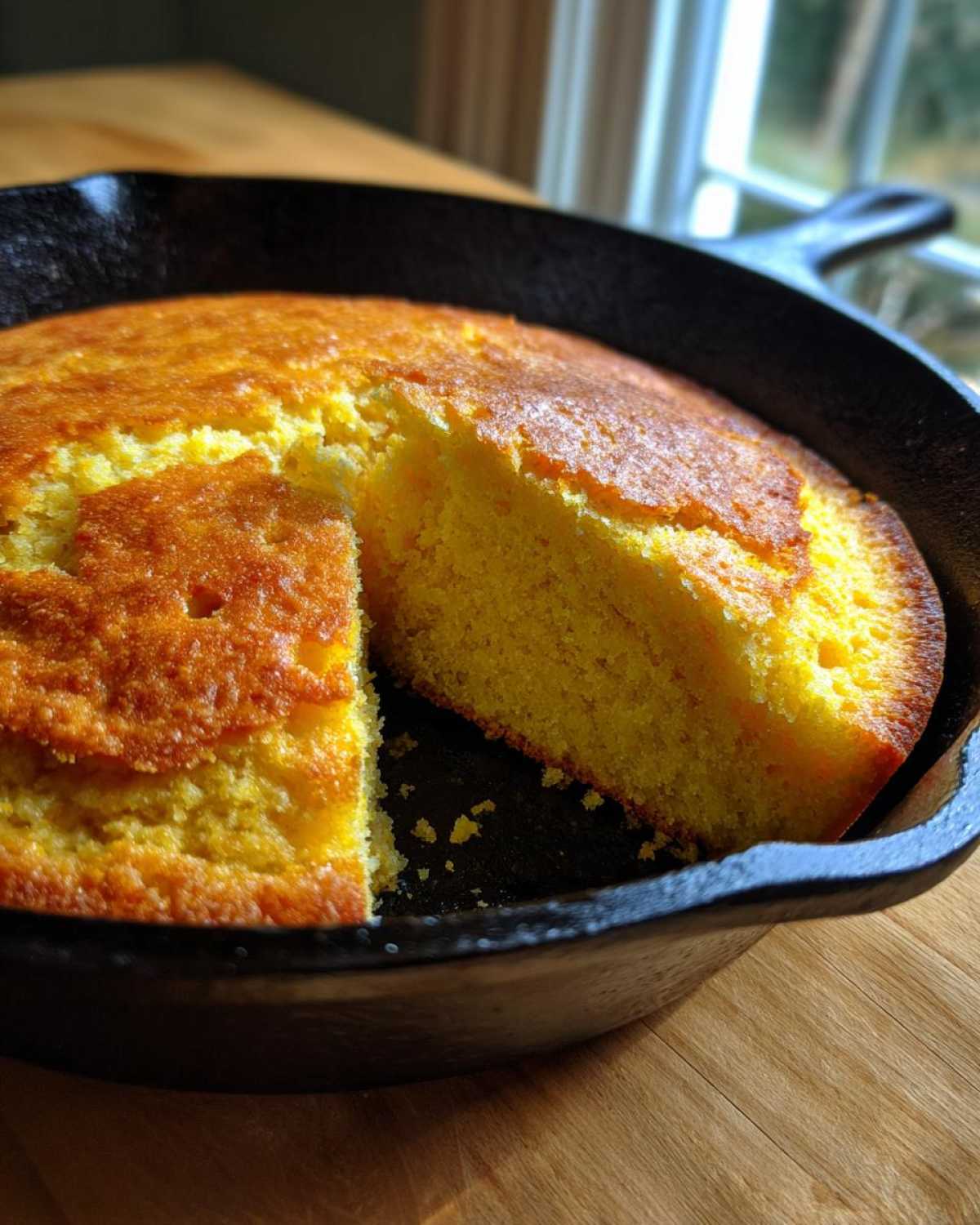
Gathering Ingredients for Your Cast Iron Skillet Cornbread
Okay, let’s talk components! You don’t need a pantry full of fancy stuff for this Cast Iron Skillet Cornbread, but the right balance of core ingredients is what gives us that signature moist crumb. We are using yellow cornmeal for that rich color and flavor—none of that pale white stuff for me! The absolute star, though, has to be the buttermilk. It reacts beautifully with the baking soda and powder to give us the lift we need without making the texture too airy.
Make sure you measure everything precisely, especially the rising agents, because we rely on them to balance the richness of the melted butter and eggs. It’s pretty straightforward from here, but trust the recipe on the quantities if you want that perfect result!
Ingredient Notes and Substitutions for Skillet Cornbread from Scratch
When you’re making Skillet Cornbread from Scratch, you have a few places you can adjust things, but the buttermilk is non-negotiable for that classic flavor. If you’ve run out, don’t panic! Just mix one cup of regular whole milk with one tablespoon of white vinegar or lemon juice, let it sit on the counter for about five minutes until it looks a little curdled—that’s your DIY buttermilk.
Also, remember when we talked about the fat for the skillet? While vegetable oil works fine, if you want the deepest, most intensely savory flavor—that real, honest-to-goodness Southern backbone—use bacon grease! It makes the crust incredible.
Essential Equipment for Perfectly Baked Cast Iron Cornbread
The star of this show is, naturally, your cast iron skillet! You absolutely need one that’s about 10 inches across. Getting the heat distribution right means the skillet has to be sturdy enough to hold onto that oven heat. Don’t even think about using a thin metal pan here; it just won’t give you that incredible edge.
Beyond the skillet, you just need your standard mixing bowls, a whisk, and maybe a sturdy rubber spatula. That’s it! Keeping the equipment simple helps focus on the heat. This approach ensures you get that Perfectly Baked Cast Iron Cornbread result every time without needing a million fancy gadgets.
Step-by-Step Guide: How to Bake Cornbread in Skillet
This is where the magic—and the potential for disaster if you rush—happens! Learning How to Bake Cornbread in Skillet is all about timing and respecting that heat. I’m laying out the choreography here because the time between taking the skillet out of the oven and pouring the batter in is precious. You need to move with purpose!
We start by getting the oven cranking up to 425°F. Now, this is non-negotiable: put the empty 10-inch skillet right in the oven while it heats up. You want that iron screaming hot before anything else happens. While the oven is doing its thing, whisk your dry stuff together in one bowl, and your wet stuff in another—the eggs, the buttermilk, and the half-cup of melted butter. Don’t forget that sugar if you like it a little sweet!
When the oven timer goes off, you need to work fast but carefully. The final steps are what guarantee that beautiful, golden edge.
Mixing the Batter: Avoid Overworking Your Cast Iron Skillet Cornbread
You’ve got your wet and dry ingredients perfectly separated, which is great. Now comes the gentle hand. When you combine them, only stir until everything is *just* moistened. I mean it—stop stirring as soon as you can no longer see dry streaks of flour or cornmeal. If you see lumps, that’s excellent! Lumps mean you haven’t agitated the gluten, which is what makes cornbread tough and chewy instead of tender. No one wants chewy cornbread, trust me.
The Crucial Step: How to Preheat Skillet for Cornbread
Okay, listen closely for this part of How to Preheat Skillet for Cornbread, because this is the difference between good and ‘call the neighbors over’ great. Pull that blazing hot skillet out, and immediately drop the extra three tablespoons of fat—that’s your oil or bacon grease—right into the center. It should shimmer and almost smoke right away. Swirl it until that fat completely coats the bottom and snakes halfway up the sides of the pan.
This hot fat is your fryer! Pour your barely-mixed batter right into that shimmering pool. You should hear a glorious, immediate sizzle all around the edges. That sound proves the crust is starting immediately. Get that pan back into the hot oven right away after the pour. Don’t dawdle, or that magical sizzle dies down!
You’ll bake it for about 20 to 25 minutes. I watch for the top to turn a deep, satisfying gold color. If you want to peek, use a toothpick—but remember what we’re aiming for: moist crumbs, not wet batter. Once it’s done, let it sit in the hot pan for just five minutes before sliding it onto a cutting board. That residual heat firms up the bottom crust so it doesn’t break when you slice it. We have a whole section of tips over at our breakfast archives if you’re looking for more morning ideas!
Tips for Authentic Southern Style Cornbread in Cast Iron
If you want that true grit and authentic flavor of the South, we need to talk cornmeal. This recipe works best with good quality yellow cornmeal—it gives you that deep hue and satisfying, crumbly texture that white cornmeal just can’t replicate. Stick with yellow for this style!
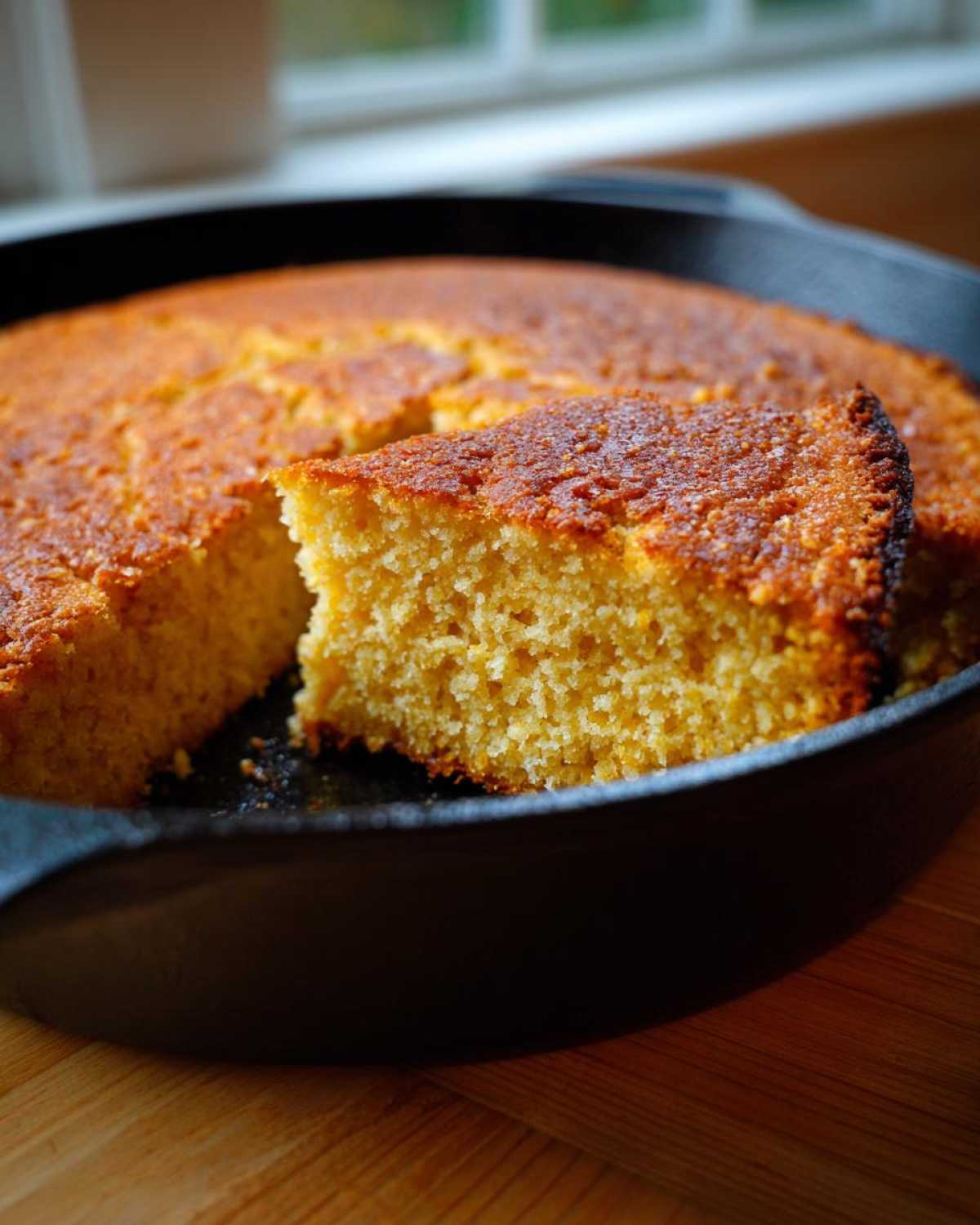
Now, the tradition of Southern Style Cornbread in Cast Iron often leans heavily savory. My grandmother never used a speck of sugar; she believed cornbread was a vehicle for savory things like chili or beans! If you want true Old Fashioned Cornbread Baking flavor, cut that 1/4 cup of sugar down to just one tablespoon, or frankly, leave it out entirely. This choice really lets the tang of the buttermilk and the richness of the fat shine through. It’s amazing how pairing that savory bread with a drizzle of honey later on balances everything perfectly.
If you’re feeling adventurous and want a little kick with your savory batch, try tossing in some chopped jalapeños right before baking—I even show you how I sneak that flavor profile into my poppers here!
Variations on Your Cast Iron Skillet Cornbread
While this Classic Southern Buttermilk recipe is perfect on its own, the skillet is begging for you to customize it! Since we are working with such a reliable base, it’s easy to spice things up. My absolute favorite addition for a crowd is savory goodness. Try folding in about a cup of sharp shredded cheddar cheese and a handful of diced pickled jalapeños right at the end before pouring.
If you want to dive deep into corn flavor, don’t be afraid to swap out some of your yellow cornmeal for white cornmeal or even coarser varieties like polenta or stone-ground Maize Cornbread Recipe styles. Just keep the total dry measurement the same! For another savory blast, try substituting half of the cornmeal with crumbled cooked bacon bits. It adds texture and incredible smokiness right into the crust.
Serving Suggestions for Your Buttermilk Cornbread Baking Guide
Seriously, don’t let this gorgeous, crisp-edged masterpiece sit around waiting for dinner! This Buttermilk Cornbread Baking Guide results in bread too good to just serve alongside anything—it deserves a star role. Because the crust is so rich, it stands up perfectly to wet dishes. Think big bowls of hearty chili or maybe some slow-cooked collard greens. That rich crumb soaks up all the savory juices beautifully.
Presentation-wise, serving it right in the skillet is a must; it looks amazing on the table. And you absolutely must have softened butter ready, or better yet, homemade honey butter! If you’re serving it with a big stew, check out my recipe for Cowboy Beef Stew—it’s the perfect partner for digging into this cornbread!
Storage and Reheating for Moist Inside Crusty Outside Cornbread
This cornbread is best eaten the day it’s made, but leftovers are inevitable, right? If you have any left, store it loosely covered at room temperature for about two days. Don’t seal it airtight—that traps moisture and softens your beautiful, Moist Inside Crusty Outside Cornbread crust! If you keep it longer, stick it in the fridge.
Reheating is essential to get that crust back! Forget the microwave, which turns it rubbery. Instead, pop slices directly onto a sheet pan in a 350°F oven for about 8 minutes. Or, if you have an air fryer, just a few minutes at the same temp works wonders to crisp everything right back up!
Frequently Asked Questions About Cast Iron Skillet Cornbread
We’ve covered all the major steps, but I know you might have a few lingering questions popping up. That happens to me all the time when I try a new technique! Here are the things people ask me most often about getting this Cast Iron Skillet Cornbread just perfect.
Can I use regular milk instead of buttermilk in my Cast Iron Skillet Cornbread?
Oh yes, you absolutely can, but you have to “hustle” it into acting like buttermilk! If you don’t have buttermilk on hand, just take one cup of regular milk—whole milk is best—and stir in one tablespoon of white vinegar or lemon juice. Let that mixture sit on the counter for five minutes until it looks curdled. That acidic mix works just as well to react with the baking soda for tenderness!
What is the best fat to use for greasing the skillet?
If you want that classic, amazing taste, you cannot beat bacon grease. It burns right into the bottom crust and gives it this unbeatable salty, smoky crunch that oil just can’t touch. I always keep a jar of strained grease just for this purpose! Vegetable oil works fine for a good crust, but butter tends to burn a little faster at that high preheat temperature, so you have to watch it super carefully.
My cornbread stuck to the skillet. What went wrong?
That’s the worst feeling, right? When your crust breaks off, it almost always means one of two things. First, you didn’t preheat the fat long enough—that fat needs to be sizzling hot when the batter hits it! If it’s just warm, the cornbread sits in it and soaks it up instead of frying. Second, if your cast iron isn’t well-seasoned, no amount of preheating will save you, so make sure your pan is oiled up before storing it!
If you’ve tried this recipe and loved it, feel free to reach out and let me know how it went over on my contact page!
Nutritional Estimate for This Recipe
Now, I’m not a nutritionist, so please take these numbers with a big grain of salt! I like to know the rough idea of what I’m digging into when I make a big batch of my wonderful Cast Iron Skillet Cornbread, but these figures are just an estimate based on standard measurements for eight servings.
Keep in mind that if you use bacon grease for that incredible crust, or sneak in extra cheddar cheese, those numbers are going to shift a bit! If you want the official fine print about how we calculate these things, you can read our disclaimer here.
- Serving Size: 1 slice
- Calories: 250
- Fat: 14g
- Carbohydrates: 28g
- Protein: 5g
Share Your Thoughts on This Skillet Cornbread
Honestly, if you try this technique, you have to come back and tell me about it! There is nothing more satisfying than hearing someone masters that hot skillet sizzle for the first time. Did you use bacon grease or butter in the pan? Did you leave the sugar out for a truly savory side dish?
Drop a five-star rating below if this recipe saved your dinner plans! I love hearing your success stories and seeing how you serve up your Skillet Cornbread from Scratch at home. Happy baking, everyone!
PrintClassic Southern Buttermilk Cast Iron Skillet Cornbread
This recipe produces moist, tender cornbread with a signature crispy, golden crust by using a properly preheated cast iron skillet.
- Prep Time: 10 min
- Cook Time: 25 min
- Total Time: 35 min
- Yield: 8 servings
- Category: Side Dish
- Method: Baking
- Cuisine: American
- Diet: Vegetarian
Ingredients
- 1 1/2 cups yellow cornmeal
- 1 cup all-purpose flour
- 1/4 cup granulated sugar (adjust to taste)
- 1 tablespoon baking powder
- 1 teaspoon salt
- 1/2 teaspoon baking soda
- 1 cup buttermilk
- 1/2 cup unsalted butter, melted, plus 3 tablespoons for the skillet
- 2 large eggs, lightly beaten
- 1/4 cup vegetable oil or bacon grease (for preheating)
Instructions
- Preheat your oven to 425 degrees Fahrenheit. Place the 10-inch cast iron skillet in the oven while it preheats.
- In a large bowl, whisk together the cornmeal, flour, sugar, baking powder, salt, and baking soda.
- In a separate medium bowl, whisk together the buttermilk, 1/2 cup melted butter, and eggs until combined.
- Pour the wet ingredients into the dry ingredients. Stir gently until just combined; do not overmix. A few lumps are acceptable.
- Carefully remove the hot skillet from the oven. Add the 1/4 cup of oil or bacon grease to the hot skillet. Swirl the skillet to coat the bottom and sides completely. The fat should be shimmering hot.
- Pour the batter immediately into the hot, greased skillet. The batter should sizzle when it hits the pan.
- Return the skillet to the oven and bake for 20 to 25 minutes, or until the top is golden brown and a toothpick inserted into the center comes out clean.
- Let the cornbread cool in the skillet for 5 minutes before slicing and serving directly from the pan.
Notes
- For an extra crispy crust, use bacon grease instead of oil or butter for preheating the skillet.
- If you prefer a less sweet cornbread, reduce the sugar to 1 tablespoon.
- If you do not have buttermilk, mix 1 cup of regular milk with 1 tablespoon of white vinegar or lemon juice and let it sit for 5 minutes before using.
Nutrition
- Serving Size: 1 slice
- Calories: 250
- Sugar: 6
- Sodium: 350
- Fat: 14
- Saturated Fat: 6
- Unsaturated Fat: 8
- Trans Fat: 0
- Carbohydrates: 28
- Fiber: 1
- Protein: 5
- Cholesterol: 65