

You know those nights, right? You’ve had a long week, and all you can think about is calling up the local Indian place for a huge tub of that gorgeous, warm, creamy Tikka Masala. But then you remember—the heavy cream, the ghee, all that dairy—and you sigh. I totally get it! That’s why I spent ages perfecting this Vegan Cauliflower Tikka Masala, and honestly, it beats takeout now. The trick? We ditch the dairy entirely and use a secret weapon to get that signature, velvety, restaurant-quality richness. I tweaked the spice ratios dozens of times until you get that deep, authentic flavor infusion. You can check out more of my recipe adventures over at my main blog page if you want! Trust me, your weeknights just got infinitely better and totally plant-based!
Why This Is the Best Vegan Cauliflower Tikka Masala Recipe
I promise you, this isn’t just some sad, watery curry trying to mimic the real thing. We’ve nailed the richness here! If you’re looking for the Best Vegan Tikka Masala that stands up to any Indian restaurant, this is it. We focus on two big things to make sure you’re happy with the result.
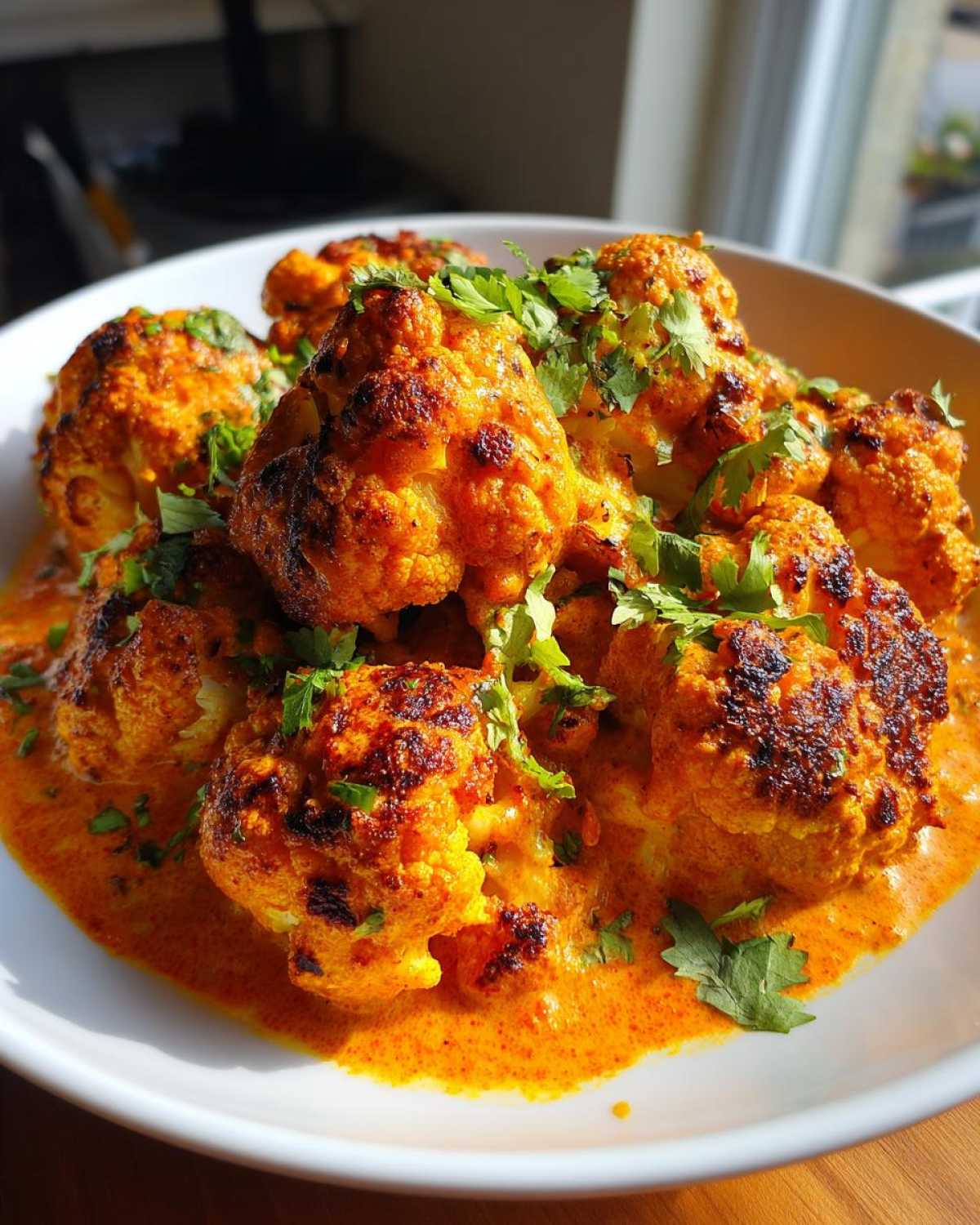
- It delivers a genuinely rich and velvety sauce every single time.
- The cauliflower has a lovely charred flavor that simple simmering can’t match.
- It’s an amazing, healthy addition to your dinner rotation, especially for quick dinner ideas!
Achieving Creamy Cauliflower Masala Without Dairy
The secret to getting that luxurious, thick Creamy Cauliflower Masala is using our two-pronged approach: soaked cashews blended super fine into a liquid, plus a splash of full-fat coconut milk. This combo creates a luscious texture that truly mimics heavy cream, completely eliminating that watery sauce pain point you dread.
Roasting Cauliflower for Superior Flavor in Your Vegan Cauliflower Tikka Masala
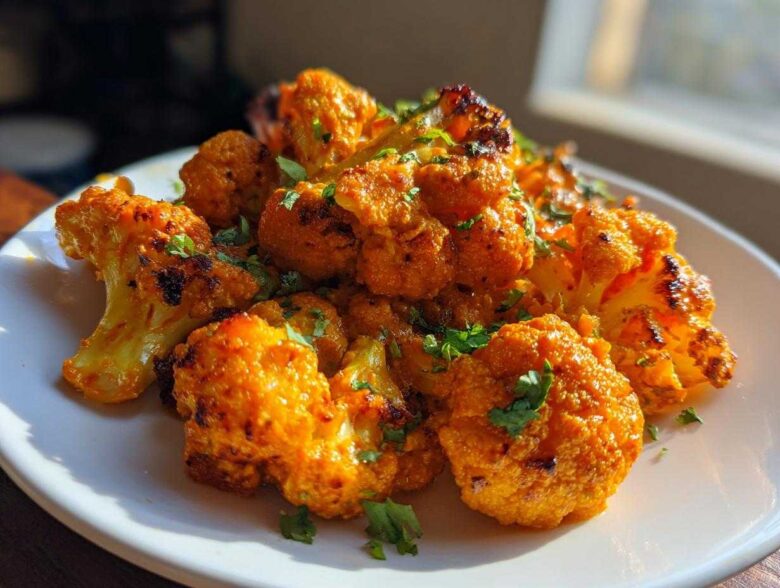
Never just toss raw cauliflower into your sauce! We roast it first. Tossing the florets with spices and giving them 20 minutes in a hot oven caramelizes the edges slightly. This pre-cooking step makes way for a much deeper flavor profile once it hits the sauce, ensuring you have an authentic Vegan Cauliflower Tikka Masala experience.
Essential Ingredients for Authentic Vegan Cauliflower Tikka Masala
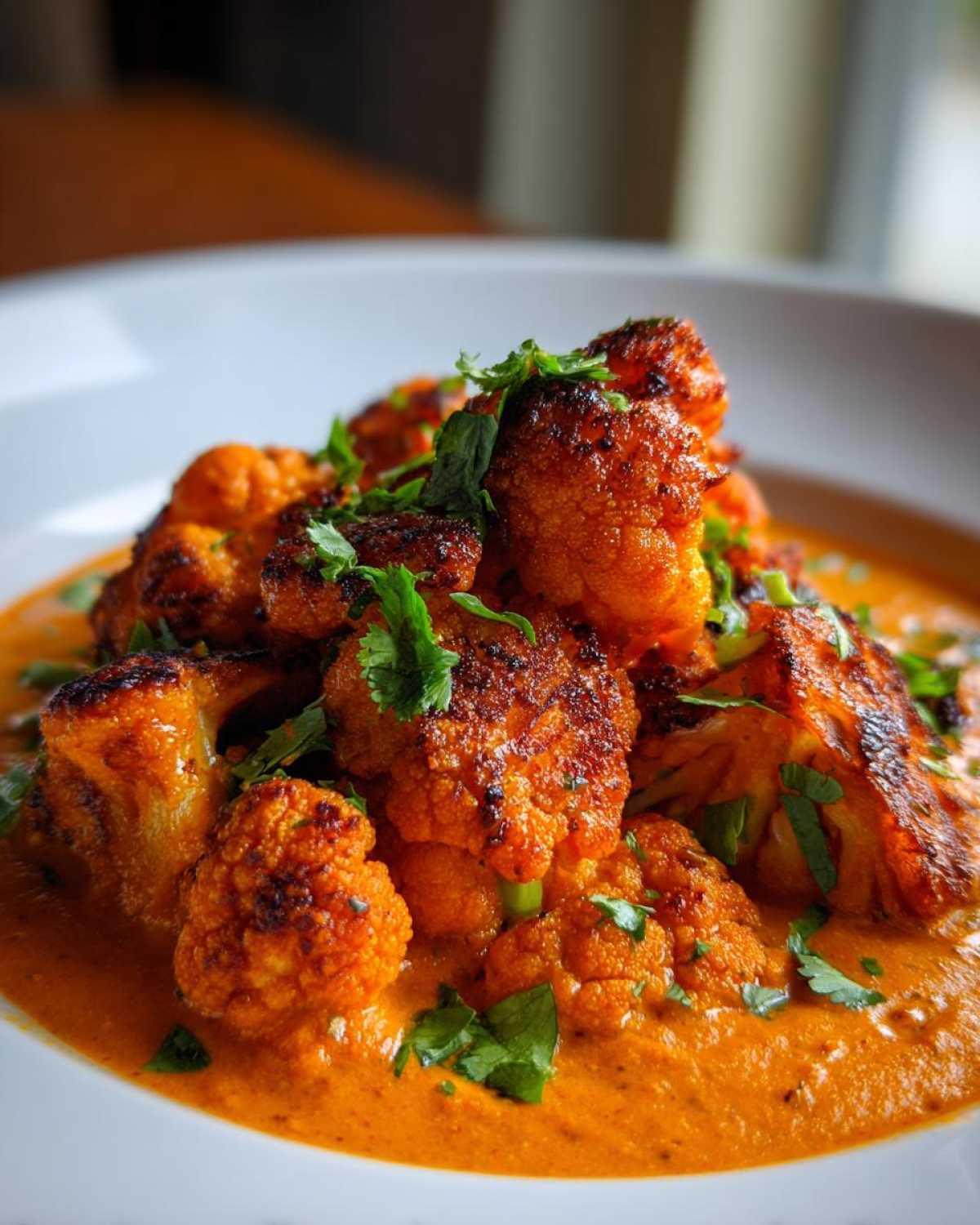
Okay, ingredient alignment is where we build the flavor foundation for this amazing Dairy Free Indian Curry! It’s not complicated, but we need specifics to avoid that flat taste so many homemade curries end up with. Don’t even think about grabbing ‘lite’ coconut milk—we absolutely need that thick, fatty stuff from a can for the texture, trust me! I’ve gone through my notes and listed everything precisely so you don’t have to search around mid-cook. I even included where I like to add links to other creamy favorites, like my cashew queso dip, just for fun!
Cauliflower Preparation Ingredients
First up is the star, the cauliflower! You’ll need one medium head, cut into nice, bite-sized florets. We roast these seasoned lightly, so grab:
- 1 tablespoon olive oil
- 1 teaspoon salt
- 1 teaspoon turmeric powder
- 1 teaspoon garam masala (this is just the initial dusting!)
For the Creamy Cashew Base and Sauce
This section handles the rich sauce. Remember, the cashews must be soaked first—about 30 minutes in hot water will soften them up perfectly for blending into that incredible Cashew Cream Indian Sauce.
- 1 cup raw cashews, soaked in hot water for 30 minutes
- 1 tablespoon coconut oil or whatever neutral oil you prefer
- 1 large yellow onion, finely chopped
- 4 cloves garlic, minced (don’t skimp!)
- 1 tablespoon fresh ginger, grated fine
- 1 teaspoon cumin powder
- 1 teaspoon coriander powder
- 1/2 teaspoon cayenne pepper (feel free to adjust; this gives a nice little kick)
- 1 (14.5 ounce) can diced tomatoes, undrained
- 1 cup vegetable broth
- 1/2 cup full-fat coconut milk (you need the creaminess!)
- 1 tablespoon maple syrup or sugar (this balances the acidity of the tomatoes)
- 1 teaspoon dried fenugreek leaves (kasuri methi), crushed right before adding
Step-by-Step Instructions: How to Make Vegan Cauliflower Tikka Masala
Alright, this is where the magic really happens! We break this down into three easy parts. Don’t rush the spice blooming, and definitely make sure those cashews are blended smooth—that’s the key to amazing texture. We want deep flavor infusion here, so pay attention to warming those spices up properly. If you want to check out my super crunchy ranch chickpeas while waiting for the oven, go ahead!
Roasting the Cauliflower Curry Base
First things first: preheat that oven to 400°F (200°C). Grab a baking sheet and toss your cauliflower florets with the olive oil, salt, turmeric powder, and that initial teaspoon of garam masala. Spread them out—don’t overcrowd the pan, or they’ll steam instead of roast! Pop them in and roast for 20 to 25 minutes. Flip them halfway through. You’re looking for them to be tender inside and nicely browned on the edges. Once they look good, take them out and set them aside while we focus on the sauce.

Preparing the Rich Coconut Milk Curry Sauce
Now, for the sauce! Drain your soaked cashews and blend them with 1/2 cup of fresh water until they are silken smooth—this is critical for avoiding grit later. Next, heat your coconut oil in a big pot over medium heat. Toss in the chopped onion and cook it down until it’s soft and translucent, maybe 5 to 7 minutes. Add the garlic and ginger and cook for just one minute until you can really smell them! Now, add the cumin, coriander, cayenne, and the rest of your garam masala. Stir constantly for about 30 seconds; this is the blooming step that locks in huge flavor. Then pour in the diced tomatoes and the vegetable broth. Let that simmer for about 5 minutes so the flavors get friendly.
Bringing Together the Creamy Cauliflower Masala
It’s time to smooth things out! Stir in your beautifully blended cashew cream and the full-fat coconut milk. Mix well until the sauce looks unified and gorgeous. Crucial tip here: Do not let this sauce boil once the cashew cream is added, or it can split! Once stirred, mix in your maple syrup and crush that fenugreek (kasuri methi) between your palms right over the pot—that releases the best aroma. Finally, gently fold in your roasted cauliflower we set aside earlier. Let it all heat through on low for about 5 minutes. That’s it! Serve it up hot and garnish it generously with cilantro garnish.
Tips for Success: Perfecting Your Plant Based Indian Comfort Food
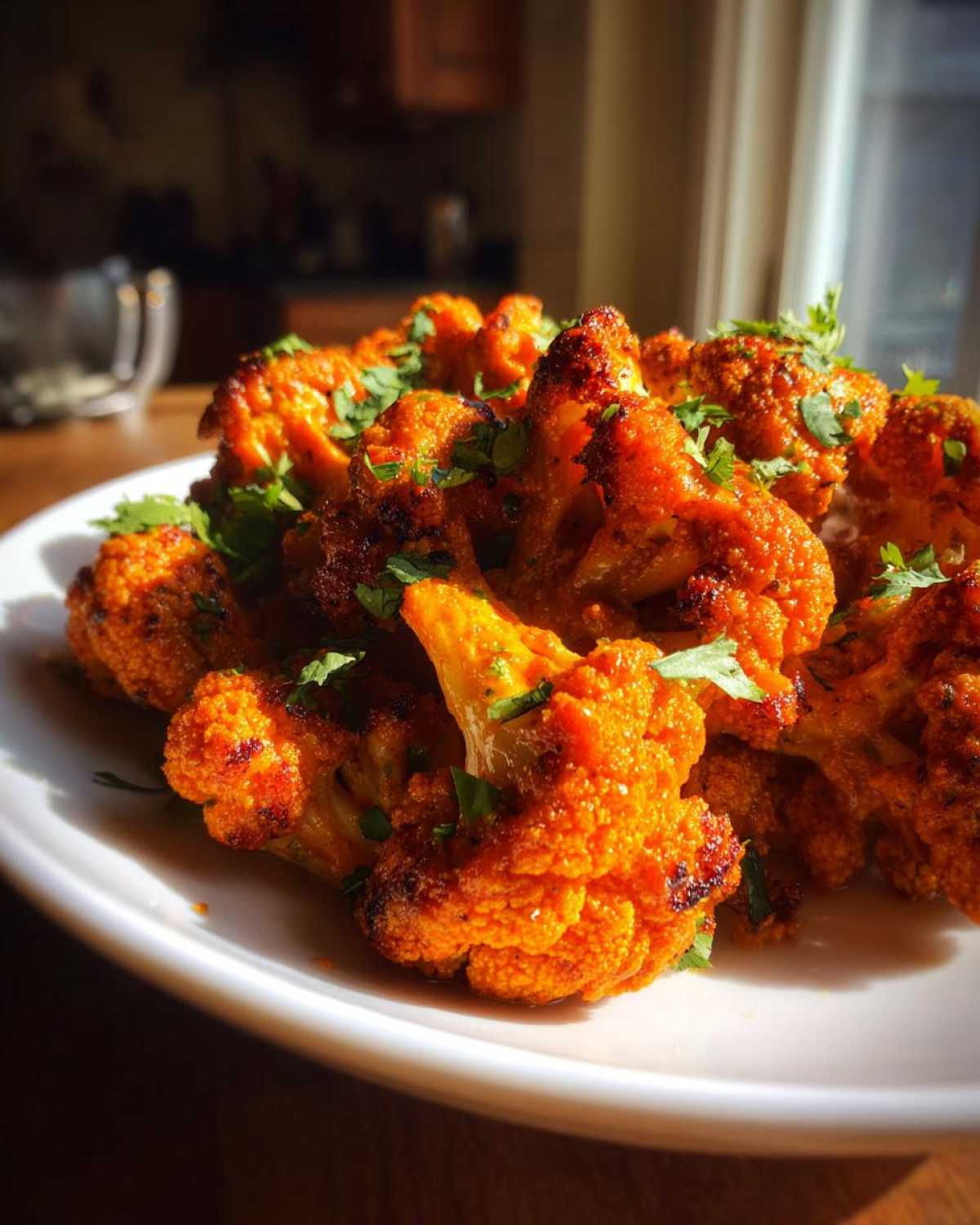
Look, I know making Plant Based Indian Comfort Food from scratch can feel intimidating, especially when you’re trying to avoid substitutions that turn your sauce watery. But honestly, once you nail these small techniques, you’ll feel like a real pro! Remember how I talked about building flavor? That’s what these tips focus on—getting that deep, restaurant-quality taste without needing any dairy products.
Spice Blooming Technique for Deep Flavor
This step is non-negotiable if you want that authentic flavor infusion! When you add your ground spices—the cumin, coriander, and garam masala—to the hot oil and aromatics (garlic and ginger), you aren’t just mixing them; you’re actually cooking them. This is called blooming! You’re gently toasting the spices in fat for just 30 seconds or so, stirring non-stop. It wakes up their essential oils and releases a fragrance that blows plain, sprinkled-in spices out of the water. When you add the tomatoes right after, that spicy, fragrant base locks right into the liquid. If you want more recipe fun while you wait, check out my main blog page!
Troubleshooting a Watery Sauce in Your Vegan Cauliflower Tikka Masala
This is probably the biggest fear when cooking Vegan Cauliflower Tikka Masala without heavy cream! Getting a thick sauce relies heavily on two things we covered: making sure your cashew cream is perfectly smooth in the blender, and using that thick, full-fat coconut milk from a can. Don’t use the carton stuff—it separates like crazy!
But let’s say you followed the steps, and it still looks a little thin? No panic! Take the cauliflower out gently for a minute. Pop the heat up slightly under the sauce (but remember, don’t let it boil hard once the cashew cream is in!). You can let it simmer uncovered for maybe 5 minutes. This allows a little bit of moisture to evaporate, concentrating the flavor and thickening it up naturally. This little reduction trick helps you achieve that perfect, thick texture we crave in our Vegan Cauliflower Tikka Masala.
Serving Suggestions for Your Dairy Free Indian Curry
So, you’ve got this incredible, rich, and vibrant Dairy Free Indian Curry simmering on the stove—what do you serve it with? You can’t just eat it with a fork, right? To get that true, satisfying, restaurant-style experience, you need something to soak up every last drop of that amazing sauce. My absolute favorite pairing is a big mound of fluffy, basmati rice. It’s classic for a reason! If you’re feeling more adventurous, warmed-up vegan naan bread is fantastic for scooping.
I actually shared a recipe for my tangy BBQ Jackfruit Nachos recently, but honestly, on nights when I crave Indian food, nothing beats these simple pairings. A little side salad with some lemon always brightens things up, too!
Storage and Reheating Instructions
This Creamy Cauliflower Masala is actually even better the next day, which is fantastic news since we usually make too much! Storing leftovers properly is super important, especially since we used that beautiful cashew cream instead of traditional dairy. You want to keep that creamy texture intact, right?
Once the curry has cooled completely, transfer it to an airtight container. It should keep beautifully in the refrigerator for about four to five days. I try not to leave it much longer than that, just to keep everything tasting its absolute freshest. Don’t worry about the cauliflower getting too soft; it usually holds up really well in the sauce.
When you’re ready to eat it again—hello, instant lunch!—please avoid the microwave if you can. Microwaving can sometimes cause the cashew blend to get a little oily or separate unevenly. Instead, reheat it gently on the stovetop over low to medium-low heat. Give it a good stir every minute or so. If it looks a little too thick after cooling overnight, just whisk in a tablespoon or two of warm water or vegetable broth until it comes back to that perfect, velvety sauce consistency. You want it to warm through gently without ever boiling vigorously!
Frequently Asked Questions About This Recipe
I always have questions right after I finish cooking something amazing like this, so I totally get it if you do too! We want this recipe to work perfectly for everyone, whether you’re a seasoned cook or just trying your first Authentic Vegan Indian Food dish. Here are a few things people usually ask me about.
Can I make this recipe gluten free?
Yes, absolutely! This entire recipe for Roasted Cauliflower Curry is naturally gluten-free, which is awesome news for everyone. We are building the sauce with cashews, tomatoes, and coconut milk—no flour added in here at all! Just double-check the label on your vegetable broth, as sometimes commercial broths can hide hidden gluten thickeners, but usually, you are perfectly safe to enjoy this as a fantastic Gluten Free Cauliflower Curry option!
What if I cannot use cashews for the sauce?
That’s a common question for folks with nut allergies! If you can’t use cashews, you have a couple of great options. You can substitute them with soaked sunflower seeds—they blend up pretty nicely, though the color of your sauce might lean slightly more beige than creamy white. Alternatively, you can skip the cashews completely and just use the measurement of water asked for in the cashew step (1/2 cup) plus an extra 1/2 cup of that lovely full-fat coconut milk. Fair warning, though: without the fat and density from the nuts, your Rich Coconut Milk Curry won’t be quite as thick, but it will still taste incredible!
How spicy is this Easy Weeknight Vegan Indian Dinner?
When I wrote this recipe, I aimed for a nice warmth, not a blazing inferno! The heat really comes from the cayenne pepper, which is listed at just 1/2 teaspoon. If you love heat—and I mean serious, sweating-while-you-eat heat—feel free to up that cayenne or add a pinch of standard chili powder. For those of you who want that beautiful, vibrant red restaurant color but absolutely hate major spice, try swapping the cayenne for a teaspoon of Kashmiri chili powder. It delivers amazing color without blowing your head off, making this a perfect flavor profile for an Easy Weeknight Vegan Indian Dinner.
If you’ve got other questions about measurements or swapping spices, feel free to reach out over at my contact page! I love hearing from folks who are trying out my recipes!
Estimated Nutritional Data
When you are making comforting meals like this Plant Based Indian Comfort Food, it’s often helpful to see a rough estimate of what you are digging into. Keep in mind that these numbers are just guidelines based on the ingredients listed and standard measurements. Things like how much oil you actually use while roasting, or the brand of coconut milk, can change things slightly.
- Serving Size: 1 serving
- Calories: 450
- Fat: 28g
- Saturated Fat: 10g
- Carbohydrates: 40g
- Fiber: 8g
- Protein: 14g
- Sugar: 10g
- Cholesterol: 0mg
Share Your Plant Based Indian Comfort Food Experience
Now the best part is hearing all about it! I really hope this recipe makes your kitchen smell wonderfully like your favorite Indian takeaway spot. Did you stick with the cashew cream, or did you try the sunflower seed swap? Did you serve it over brown rice or did you splurge on some vegan naan?
Please take a moment to leave your star rating right below this—it helps other readers know this recipe is worth trying! And definitely drop a comment below sharing your favorite way to serve this delicious Plant Based Indian Comfort Food or any other little secret substitutions you made. I’m always learning, and I love connecting over food! Thank you so much for cooking from my kitchen!
If you liked this, you should check out my recipes for my About Me page to see what else I’m cooking up!
PrintVegan Cauliflower Tikka Masala

A recipe for rich, creamy, and flavorful vegan cauliflower tikka masala using roasted cauliflower and a cashew-based sauce.
- Prep Time: 20 min
- Cook Time: 45 min
- Total Time: 65 min
- Yield: 4 servings
- Category: Dinner
- Method: Roasting and Simmering
- Cuisine: Indian
- Diet: Vegan
Ingredients
- 1 medium head cauliflower, cut into florets
- 1 tablespoon olive oil
- 1 teaspoon salt
- 1 teaspoon turmeric powder
- 1 teaspoon garam masala
- 1 cup raw cashews, soaked in hot water for 30 minutes
- 1 tablespoon coconut oil or neutral oil
- 1 large yellow onion, finely chopped
- 4 cloves garlic, minced
- 1 tablespoon fresh ginger, grated
- 1 teaspoon cumin powder
- 1 teaspoon coriander powder
- 1/2 teaspoon cayenne pepper (adjust to taste)
- 1 (14.5 ounce) can diced tomatoes, undrained
- 1 cup vegetable broth
- 1/2 cup full-fat coconut milk (from a can)
- 1 tablespoon maple syrup or sugar
- 1 teaspoon dried fenugreek leaves (kasuri methi), crushed
- Fresh cilantro, chopped, for garnish
Instructions
- Preheat your oven to 400°F (200°C). Toss the cauliflower florets with olive oil, salt, turmeric powder, and 1 teaspoon of garam masala on a baking sheet.
- Roast the cauliflower for 20 to 25 minutes, flipping halfway, until tender and slightly browned. Set aside.
- Drain the soaked cashews and place them in a high-speed blender with 1/2 cup of fresh water. Blend until completely smooth and creamy. This is your cashew cream base.
- Heat the coconut oil in a large pot or Dutch oven over medium heat. Add the chopped onion and cook until soft and translucent, about 5 to 7 minutes.
- Add the minced garlic and grated ginger to the pot. Cook for 1 minute until fragrant.
- Stir in the cumin powder, coriander powder, cayenne pepper, and the remaining 1 teaspoon of garam masala. Cook the spices for 30 seconds, stirring constantly.
- Pour in the diced tomatoes and vegetable broth. Bring the mixture to a simmer. Cook for 5 minutes, allowing the flavors to meld.
- Stir in the blended cashew cream and the full-fat coconut milk. Mix well until the sauce is smooth. Do not boil after adding the cashew cream.
- Stir in the maple syrup and crushed fenugreek leaves. Taste the sauce and adjust salt if needed.
- Gently fold the roasted cauliflower florets into the sauce. Simmer on low heat for 5 minutes to warm the cauliflower through.
- Serve hot, garnished with fresh cilantro.
Notes
- For a thicker sauce that avoids wateriness, ensure your cashew cream is very smooth and use full-fat canned coconut milk, not the beverage kind.
- Serve this curry with basmati rice or warm vegan naan bread for dipping.
- If you do not have cashews, you can substitute with 1 cup of soaked sunflower seeds or an additional 1/2 cup of full-fat coconut milk, though the texture will change slightly.
- To deepen the flavor, you can marinate the cauliflower in a tablespoon of plain vegan yogurt and a pinch of turmeric before roasting.
Nutrition
- Serving Size: 1 serving
- Calories: 450
- Sugar: 10
- Sodium: 550
- Fat: 28
- Saturated Fat: 10
- Unsaturated Fat: 15
- Trans Fat: 0
- Carbohydrates: 40
- Fiber: 8
- Protein: 14
- Cholesterol: 0