

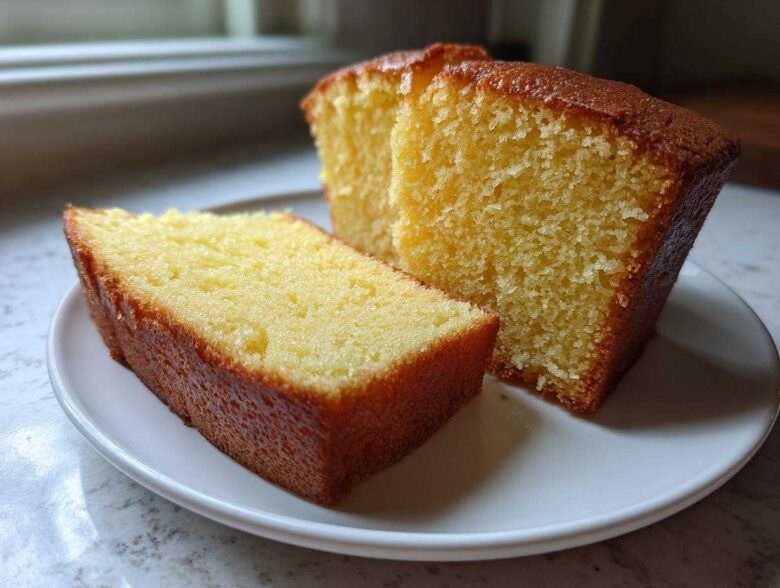
Some desserts just have soul, you know? Forget the fancy layered cakes for a minute; when I really need comfort or want to impress someone with pure, honest baking, I always turn to a truly good, buttery pound cake. It’s the foundation of everything great in a dense dessert!
I spent years messing up my initial attempts, ending up with a cake that felt more like a brick than a rich treat. But don’t you worry, because after trial and (painful) error, I finally cracked the code on what makes this Classic Buttery Pound Cake recipe absolutely unbeatable. It hits that perfect sweet spot: incredibly moist on the inside, dense enough to hold its shape when you slice it, and just loaded with buttery vanilla flavor.
This single recipe, found tucked away on my great-aunt’s recipe card, is the one you’ll want to keep bookmarked. It’s reliable, it’s easy once you know the secrets, and trust me, it makes the best, rich buttery dessert you’ll ever have. If you want to master true American baking, this is where you start. You can read some more foundational baking advice over at my main blog page!
Why This Classic pound cake Recipe Delivers the Best Results
A lot of recipes just throw ingredients together, but this one works because it respects the classic ratios—we’re using equal parts of the main four players, mostly! That simple structure is why it bakes up so reliably every single time you try it. It’s an honest recipe that tells you exactly what you’re getting: a moist buttery pound cake that lasts!
Key Attributes of Our pound cake
- It creates a perfectly dense yet tender crumb—no crumbling mess here!
- The high butter content guarantees a rich, almost silky mouthfeel.
- Because it’s so sturdy, it keeps beautifully for days.
- The vanilla and optional lemon zest elevate that simple, traditional flavor.
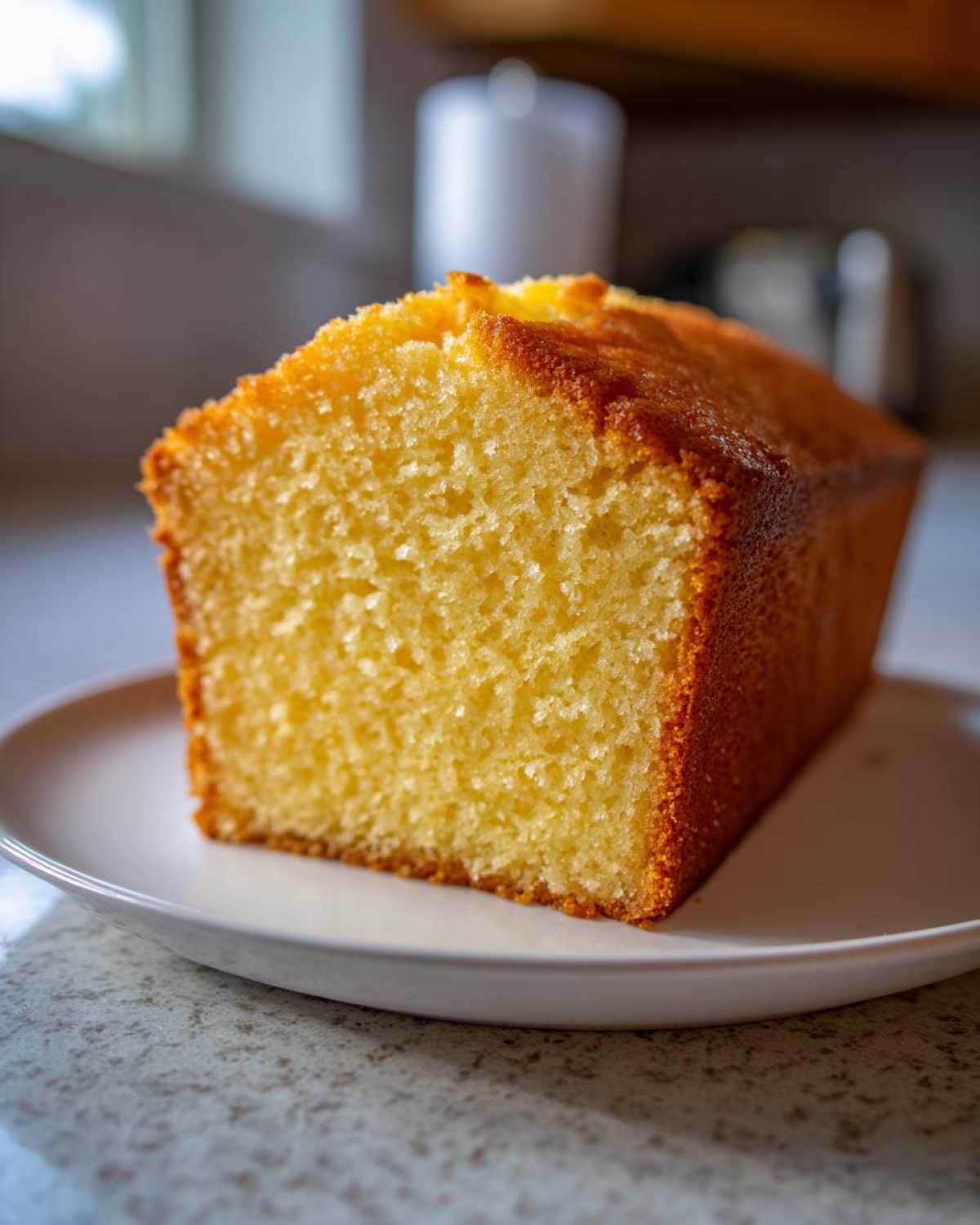
Gathering Ingredients for Your Traditional southern pound cake
The secret to any Classic pound cake recipe is respecting the few, high-quality ingredients we use. Since there aren’t a ton of flavor boosters hiding in here, every single item matters! The most crucial thing you need to know before you start is that everything—and I mean *everything*—needs to be at true room temperature.
Seriously, take the time to pull your butter, eggs, and milk out early. This helps them emulsify beautifully into a smooth batter, which is the only way to stop your cake from becoming crumbly! If you skip this, you’re asking for trouble, trust me.
Ingredient Clarity and Preparation Notes
Here’s what you need for a truly decadent Traditional southern pound cake:
- 1 cup (2 sticks) unsalted butter, softened—I mean soft like putty, not melty on the counter!
- 3 cups granulated sugar—you need the full, exact amount here for that perfect texture.
- 5 large eggs, room temperature. Check your carton!
- 1 teaspoon vanilla extract
- 1 teaspoon lemon extract (optional but highly recommended for brightness)
- 3 cups all-purpose flour—remember to spoon it into your measuring cup and level it off, don’t scoop directly from the bag!
- 1/2 teaspoon baking powder (Just a touch for a little lift in this dense cake!)
- 1/4 teaspoon salt
- 1/2 cup whole milk, room temperature.
Essential Equipment for Baking the Perfect pound cake
You don’t need a million fancy gadgets for this Classic pound cake recipe, but you absolutely need the right vessel! The baking pan choice really impacts how this dense cake cooks through. Since this batter is heavy, we need that central tube to ensure heat can reach the very middle evenly.
If you want the Best old fashioned pound cake, I strongly suggest grabbing one of these:
- A 10-inch tube pan (the classic angel food style with the removable bottom).
- Alternatively, a sturdy bundt pan works great for Tube pan cake recipes, just make sure it’s well-greased!
- An electric mixer (hand or stand mixer) is almost mandatory for proper creaming.
- A large mixing bowl for the main batter and one medium bowl for the dry stuff.
Step-by-Step Instructions for Baking a Moist pound cake
Okay, this is where the magic happens! Don’t rush anything here, especially the mixing. This is an Easy homemade pound cake, but it demands a little focus during the combining phase. We’re going for structure and richness, not airiness, but we still need to build that structure correctly, or else your beautiful pound cake will sink right in the middle. When you mix this by hand, you can really feel when the batter is ready!
Preparing the Pan and Oven
First things first: get that oven ticking over! Preheat it to 325°F (160°C). That lower temperature helps the dense batter cook all the way through without the outside burning to a crisp. For the pan, you need to grease it thoroughly—I mean every nook and cranny of that tube pan or bundt pan. Use softened butter or my favorite homemade cake goop, and then dust every surface generously with flour. Tap out the excess flour; you don’t want heavy white patches on your finished cake.
Mixing the Batter: Creaming and Incorporation
Get your mixer out! We need to cream that butter and sugar for a solid five minutes. I’m serious! You’re looking for it to go from pale yellow to almost white, light, and fluffy—like whipped frosting. This step is crucial for setting up the base! Once that’s done, drop in your room temperature eggs one at a time, beating until you absolutely can’t see the yolk before adding the next one. Then, mix in your extracts. Remember how we whisked the flour, baking powder, and salt together? Now, add about a third of that dry mix, mix gently until *just* combined, pour in half of your milk, and repeat, alternating until everything is incorporated. Stop mixing the second you don’t see flour streaks anymore! Seriously, overmixing this batter ruins the texture we worked so hard to create. You can check out more deep dives into creaming on my blog!
Baking Times and Testing Doneness for Your pound cake
Pour that heavy batter into your prepared pan and smooth the top gently. Now, place it in the oven. This is the hardest part: Do not open the door for at least 60 minutes. If you peek, you risk that initial lift collapsing. It usually takes between 70 and 90 minutes to bake fully. You’ll know it’s done when a wooden skewer inserted deep into the center comes out clean—maybe with a few barely moist crumbs clinging to it, but no wet batter.
Expert Baking Tips for Dense cake Texture
Everyone wants a simple pound cake, but getting that gorgeous, velvety texture that feels heavy but melts in your mouth? That takes a couple of extra tricks! Since this recipe is designed to be super robust, we have to focus on keeping the batter smooth and non-curdled during the mixing stage. If you follow the creaming steps perfectly, you are already 90% of the way to the Best old fashioned pound cake, but pay attention to the cool-downs!
I always try to avoid adding any ingredients that are cold, because that heat shock tightens up the butter we just carefully whipped five minutes prior. That tightness leads to a grainy crumb, and nobody wants that in their Dense vanilla cake recipe!
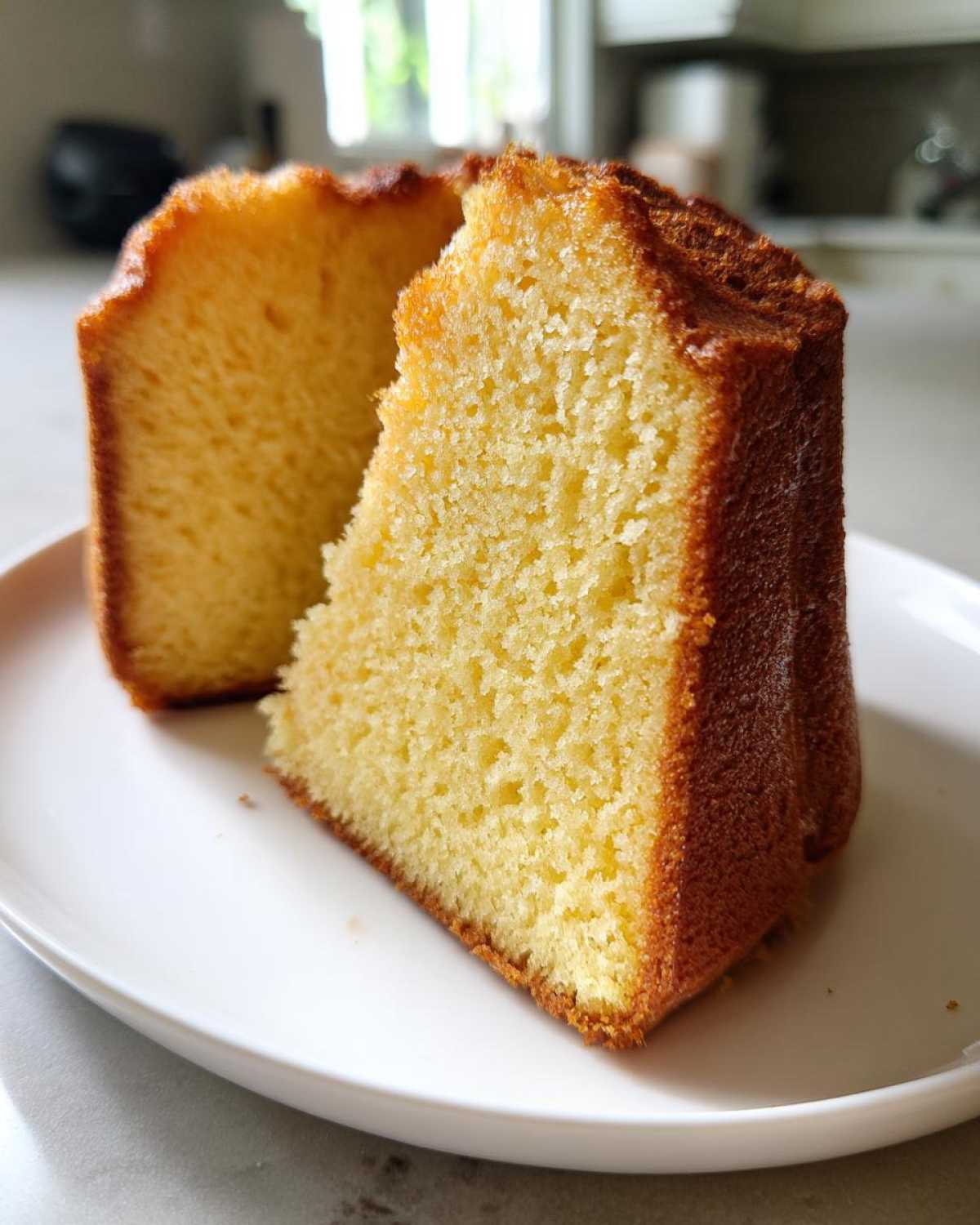
Room Temperature Matters for a Perfect pound cake
I can’t stress this enough about getting the Best old fashioned pound cake: room temperature ingredients are non-negotiable. When your butter is perfectly softened and your eggs are warm enough, they bond with the sugar during creaming to hold onto air pockets. These tiny air pockets are what give the final loaf structure and prevent that weird curdled look you get when cold eggs hit creamed butter.
If my eggs are cold, I run them under warm water for about two minutes before cracking them—don’t soak them, just warm them up! This small step makes your final batter look beautifully smooth and even before it even hits the oven. You can find some more detailed explanations on creating perfect emulsions over at my baking resource page.
Cooling and Serving Your Rich buttery dessert pound cake
You just pulled a gorgeous, golden pound cake out of the oven, and I know you’re dying to cut into it! Hold your horses just a minute—cooling is just as important as the baking itself if you want that perfect shape. Let the cake hang out in the pan on a wire rack for about 15 minutes exactly.
If you try to flip it immediately, the moist structure will likely tear or stick, and you’ll end up with half the cake stuck to the bottom of that tube pan! Trust me on this, waiting those 15 minutes lets the edges firm up just enough for a clean release. After that, invert it onto the rack to cool completely. Once it’s totally cool, you can try some lovely Glazed pound cake ideas, or just dust it with powdered sugar for a simple, classic approach!
Storing Your Homemade pound cake Properly
This pound cake is truly decadent, and you want to keep that buttery moisture locked in! For short-term—say, the next two or three days—just keep it tightly wrapped in plastic wrap at room temperature. If you skip the wrap, it gets a weird, dry crust, and nobody wants that.
If you have leftovers (which I doubt, because who ever does?), this cake freezes like a dream. Wrap the cooled slices tightly in plastic wrap, then foil. It stays perfect for up to three months. When you’re ready to eat it, let it thaw wrapped on the counter!
Common Questions About Making pound cake
It’s completely normal to have questions when you’re tackling a true classic like this! We all start somewhere. I get asked all the time about pan sizes and what happens when things go wrong during the mixing. Don’t feel silly asking—that’s how we all learn to make the Best old fashioned pound cake!
Can I use a loaf pan for this pound cake recipe?
Oh, absolutely! Sometimes you don’t want that huge tube shape. You can definitely use loaf pans for this batter—it’s perfect for making smaller gifts! The trick is that because the loaf pan is deeper, the heat takes longer to penetrate the center. If you use loaf pans, I drop my oven temperature down slightly to 300°F (150°C) and plan on baking for a bit longer, maybe 65 to 75 minutes. Always test with your skewer when the top starts looking deeply golden!
Why is my pound cake dry?
If your cake comes out dry, I can usually bet money it happened in one of two places. First, did you overmix after adding the flour? That develops gluten, and gluten means tough, dry cake. Second, did you make sure your butter and eggs were truly room temperature? If they were cold, the batter probably curdled, and you didn’t get that perfect moist buttery pound cake structure. It’s always worth the extra five minutes of waiting for the ingredients to warm up!
What is the difference between this and a Simple loaf cake baking?
That’s a great question, especially since they look similar when baked in a loaf pan! The main difference is density and the formula. Traditional pound cake relies on that 1:1:1:1 ratio of butter, sugar, eggs, and flour, making it incredibly dense, rich, and almost fudgy. Most standard quick bread or Simple loaf cake baking recipes use more leavening (like baking powder) and often include liquids like yogurt or buttermilk to create a lighter, airier crumb. Our classic version is meant to be heavy—that’s the best part!
Nutritional Estimates for This pound cake
Now, let’s talk tracking! Because this is a rich buttery dessert, it definitely tastes better than it looks on paper, ha! But I always like to give you a general idea of what you’re working with when you make this Classic pound cake recipe from scratch.
Keep in mind that these numbers are just estimates, okay? They assume you’re cutting decent, standard slices from the whole recipe and using the ingredients listed. For the most accurate counts, you’d have to weigh everything yourself, but this gives you a solid starting point for enjoying this amazing treat!
For a full disclaimer on how I estimate these values, you can check out my nutrition disclaimer page.
- Serving Size: 1 slice
- Calories: 420
- Sugar: 35g (Yep, it’s a treat!)
- Fat: 25g (Hello, butter!)
- Carbohydrates: 48g
- Protein: 5g
Classic Buttery Pound Cake
A straightforward recipe for a rich, dense, and moist traditional pound cake made from scratch.
- Prep Time: 20 min
- Cook Time: 80 min
- Total Time: 100 min
- Yield: 10 servings
- Category: Dessert
- Method: Baking
- Cuisine: American
- Diet: Vegetarian
Ingredients
- 1 cup (2 sticks) unsalted butter, softened
- 3 cups granulated sugar
- 5 large eggs, room temperature
- 1 teaspoon vanilla extract
- 1 teaspoon lemon extract (optional)
- 3 cups all-purpose flour
- 1/2 teaspoon baking powder
- 1/4 teaspoon salt
- 1/2 cup whole milk, room temperature
Instructions
- Preheat your oven to 325°F (160°C). Grease and flour a 10-inch tube pan or bundt pan.
- In a large bowl, cream the softened butter and sugar together with an electric mixer until light and fluffy, about 5 minutes.
- Add the eggs one at a time, beating well after each addition until fully incorporated. Mix in the vanilla and lemon extracts, if using.
- In a separate medium bowl, whisk together the flour, baking powder, and salt.
- Gradually add the dry ingredients to the wet ingredients, alternating with the milk. Begin and end with the flour mixture. Mix only until just combined; do not overmix.
- Scrape the batter into the prepared pan and smooth the top.
- Bake for 70 to 90 minutes, or until a wooden skewer inserted into the center comes out clean.
- Let the cake cool in the pan on a wire rack for 15 minutes.
- Invert the cake onto the wire rack and allow it to cool completely before slicing or glazing.
Notes
- For the best texture, ensure your butter, eggs, and milk are at room temperature before starting.
- Do not open the oven door during the first 60 minutes of baking to prevent the cake from falling.
- If you prefer a denser cake, sift the flour once before measuring, but do not overmix the final batter.
Nutrition
- Serving Size: 1 slice
- Calories: 420
- Sugar: 35
- Sodium: 150
- Fat: 25
- Saturated Fat: 15
- Unsaturated Fat: 10
- Trans Fat: 0.5
- Carbohydrates: 48
- Fiber: 1
- Protein: 5
- Cholesterol: 120