

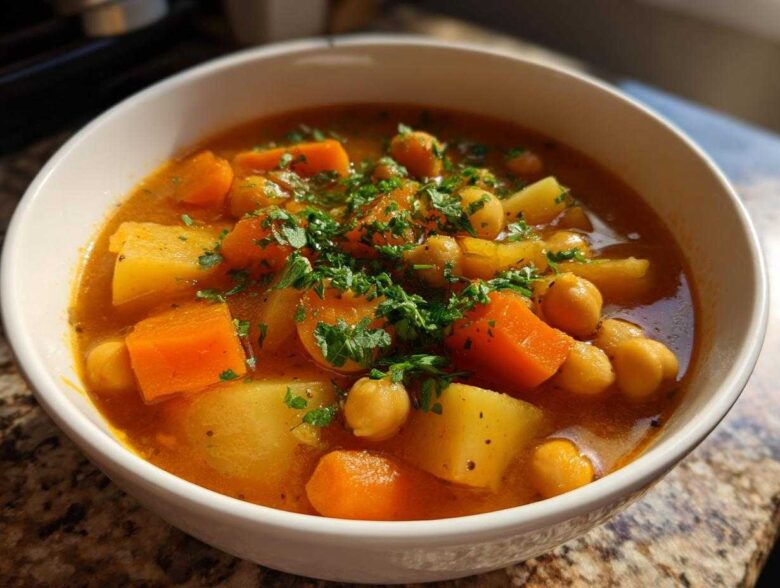
When the weather turns crisp, there’s nothing that fixes the soul quite like a steaming bowl of soup that’s both rustic and deeply flavorful. Forget those sad, watery versions you might have tried before! I’ve spent ages tinkering—seriously, years of cold evenings—to figure out the secret sauce, or in this case, the secret broth, behind the perfect stew-like consistency. If you’re ready to take your soup game seriously, then you’ve come to the right place for your Mastering Chickpea Potato Soup Journey. This guide shows you exactly how to build layers of flavor. It’s honestly just as satisfying as diving into a rich stew, like my recipe for Cowboy Beef Stew with Hearty Vegetables, but this one is lighter and full of plant power. We’re aiming for restaurant-level comfort food right on your stovetop!
Why Mastering Chickpea Potato Soup Journey Leads to Comfort Food Perfection
This isn’t just another pot of soup, trust me! What makes this recipe so popular, especially when looking for hearty vegetarian soup recipe inspiration, is how it hits that sweet spot. It’s incredibly filling thanks to the potatoes and chickpeas, yet it’s surprisingly light and healthy. It’s also wonderfully budget-friendly since we rely on pantry staples.
The real payoff for embracing this Mastering Chickpea Potato Soup Journey comes from the texture. We aren’t relying on cream here! We build that luxurious mouthfeel right into the broth. It’s the perfect example of how a few simple steps can transform basic ingredients into something truly special.
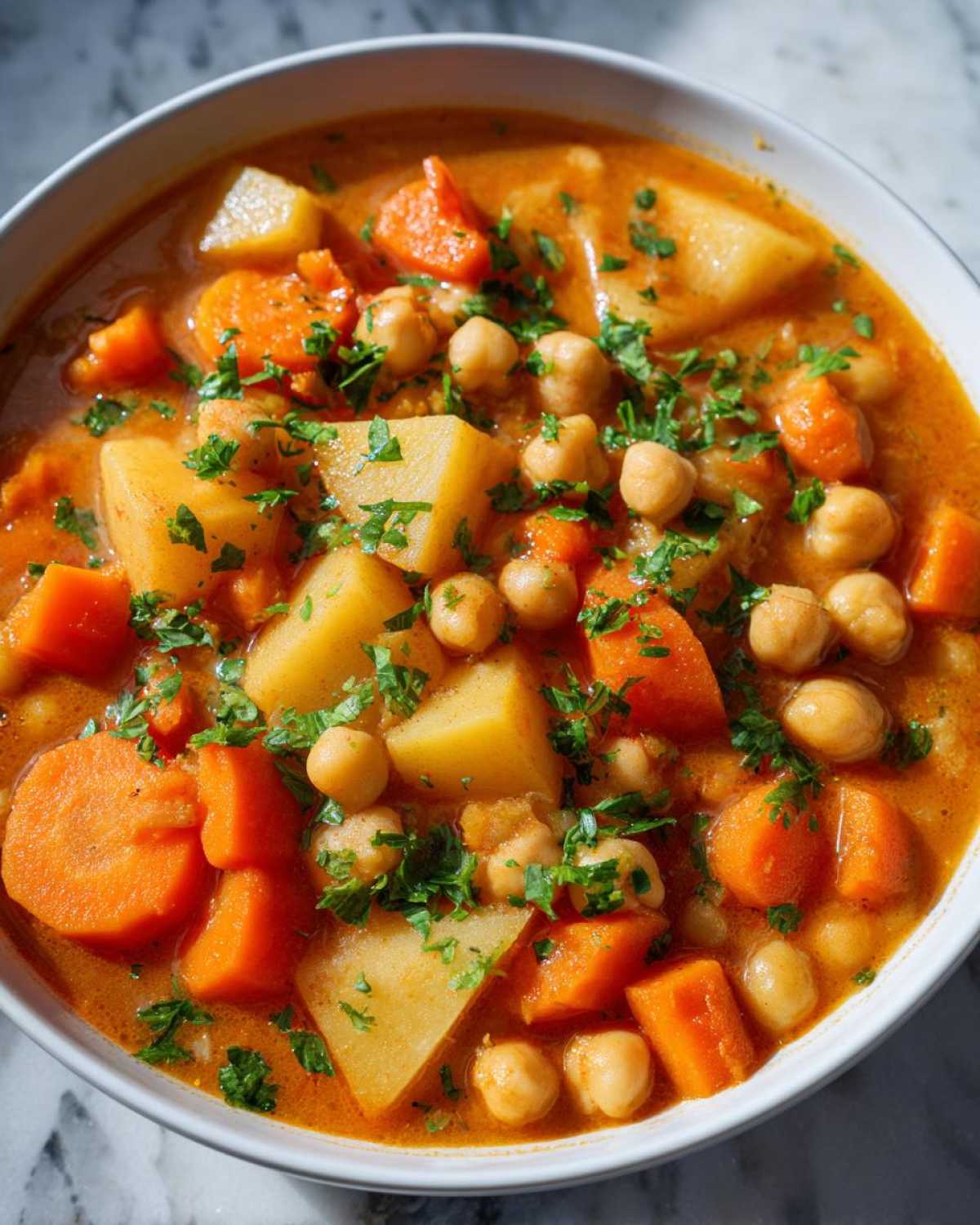
Key Benefits of This Hearty Vegetarian Soup Recipe
- It delivers a naturally thick texture—no heavy cream needed!
- It relies heavily on inexpensive pantry staples you likely already have.
- It’s perfect for making ahead, which means it’s great for healthy weeknight soup meals.
- The blend of spices genuinely creates a professional, deep flavor profile. See my full tips on building flavor here.
Essential Ingredients for Mastering Chickpea Potato Soup Journey
Okay, the key to making this soup feel like a gourmet experience, not just a Tuesday night dinner, starts with grabbing the right things at the store—or digging them out of the cupboard! We aren’t complicating things, but we are being specific. Here is exactly what you need to gather for this amazing bowl of comfort.
- 2 tablespoons olive oil
- 1 large yellow onion, diced
- 3 carrots, peeled and chopped
- 3 celery stalks, chopped
- 4 cloves garlic, minced
- 1 teaspoon dried thyme
- 1 teaspoon ground cumin
- 1/2 teaspoon smoked paprika
- 1/4 teaspoon cayenne pepper (optional, for a little kick!)
- 2 pounds Yukon Gold potatoes, peeled and cubed (about 1 inch)
- 6 cups vegetable broth
- 2 (15-ounce) cans chickpeas, rinsed and drained
- 1 (14.5-ounce) can diced tomatoes, undrained
- 1 bay leaf
- 1 teaspoon salt, or to taste
- 1/2 teaspoon black pepper, or to taste
- 1/4 cup fresh parsley, chopped (for garnish)
When you start cooking, you’ll realize that these ingredients are chosen for specific reasons, which is why sticking close to the list helps with your Mastering Chickpea Potato Soup Journey.
Ingredient Selection Tips for the Best Chickpea Potato Soup Recipe
Let’s talk potatoes first. I’m very firm on using Yukon Golds here. They are waxy, which means they hold onto their shape beautifully during that long simmer. If you grab a starchy potato, like Russet, they tend to break down too much and can make your soup look muddy instead of hearty. We want defined cubes, not mush!
For the flavor foundation, the cumin and the smoked paprika are non-negotiable heroes. They give this creamy chickpea potato soup at home that wonderful, slightly earthy depth, moving it away from a simple vegetable broth flavor. Also, remember the chickpeas: rinsing them is vital to get rid of that extra canning liquid. If you’re going the from scratch chickpea soup route and using dried ones, make sure they are cooked until super soft before they hit the pot because they need less time simmering with the potatoes.
And broth—always use the best vegetable broth you can find or afford, because it’s the backbone of the whole dish! If it tastes bland when you taste it cold, your soup will taste bland when it’s hot!
Step-by-Step Instructions for Mastering Chickpea Potato Soup Journey
Now we get to the fun part—making the magic happen! We need to move logically through the steps so every flavor gets its moment to shine. Don’t rush the beginning part, though, because that’s where we set the stage for a truly spectacular soup. Follow these steps closely, especially the blending part, and you’ll be how to make perfect chickpea soup in no time.
- First things first, get that olive oil warm in your biggest pot over medium heat.
- Toss in the onions, carrots, and celery—this is our mirepoix, the holy trinity of soup flavor—and let them soften up nicely for about 8 minutes. You want them starting to look a little translucent, not browned!
- Next up is where we boost the flavor! Add the garlic, thyme, cumin, smoked paprika, and cayenne if you’re feeling spicy. This needs just 1 quick minute. Seriously, don’t walk away!
- Now dump in the potatoes, all that broth, those rinsed chickpeas, the tomatoes (don’t forget the juice!), and the bay leaf.
- Bring it up to a good boil, then immediately dial the heat back down to low. Cover it and let it simmer gently until those potatoes are completely fork-tender. That usually takes about 15 to 20 minutes.
- Pull out that bay leaf—it’s done its job. This next step is crucial for a creamy chickpea potato soup at home texture: use an immersion blender right in the pot. You only need to blend about one-third of the soup. If you don’t have one, carefully scoop out a cup or so, blend it really smooth in a regular blender, and pour it back in.
- Give it a final stir, add your salt and pepper, and taste it! Always adjust those final seasonings now. If it feels stiff, just splash in a little more broth or water until it moves right.
- Ladle it out and top it with fresh parsley. That’s it! You’ve officially built a masterpiece. Check out more techniques for getting that perfect blend over here: Perfecting your chickpea soup.
Flavor Boosting Soup Techniques: Building the Aromatic Base
You absolutely cannot skip Step 3! That’s what separates a good soup from a showstopper. We call it blooming the spices. After the onion, carrot, and celery (the mirepoix) have sweated down and released their water, they turn sweet and jammy. When you add the dry spices—especially that cumin and smoked paprika—to this warm, oily base for just 60 seconds, you wake them up! They release their oils, and the flavor gets way deeper than if you just tossed them into the liquid broth. That quick sauté time is key for flavor boosting soup techniques.
Achieving Creamy Chickpea Potato Soup at Home Texture
Step 6 is the heart of our Mastering Chickpea Potato Soup Journey challenge: creating creamy richness without adding actual cream. We use the potatoes and the chickpeas themselves! When you blend a portion of the soup, you are essentially making a quick, starchy purée that melts into the broth. If you use your immersion blender near the potatoes, they’ll break down into that silky texture we love. It’s total immersion magic. This simple trick is how you nail that thick, comforting feel every single time.
Tips for Success in Your Mastering Chickpea Potato Soup Journey
You’ve built the base, you’ve blended it perfectly—now we need to make sure the flavor really sings! Getting these final touches right is what moves this soup from “pretty good” to something that makes people ask for your recipe. The goal here is to make soup that tastes like you cooked all day, even though we were done in under an hour!
One of the biggest tips when you’re cooking something like this that tastes professional is patience with seasoning. Don’t dump all your salt in at the start! The broth reduces while simmering, which concentrates the saltiness. Wait until after you’ve added the final vegetables and done the blending/thickening step before you start fiddling with the salt and pepper. That’s when you know exactly where you stand.
I also want you to remember the power of acid, even though it’s not listed in the main ingredients. If the soup tastes good but just a little… flat? Try adding a tiny squeeze of fresh lemon juice right at the end. Wow! It brightens up the earthy cumin and paprika in a flash. It’s my favorite secret weapon for really rounding out any comfort food soup idea.
Seasoning Adjustments and Final Checks
Always taste the soup *after* it has simmered for the full 20 minutes and *after* you’ve blended any portion of it. The texture change affects how the salt registers on your tongue. Aim for savory but bright. If you find you over-salted slightly—oops!—add a bit more broth or even a peeled, cubed potato and simmer longer; the starch will absorb some salt.
For that professional finish, remember that squeeze of lemon or maybe even a teaspoon of white wine vinegar. That little bit of tartness gives the soup great dimension. It cuts through the earthiness of the chickpeas and potatoes beautifully, making every spoonful exciting.
Troubleshooting Common Issues in Chickpea Potato Soup
Look, even when you follow the steps perfectly, sometimes soup fights back, right? That’s totally normal! Part of your Mastering Chickpea Potato Soup Journey is knowing what to do when things don’t go exactly to plan. Don’t panic if you end up with something too watery or if your spices seem a little quiet. We have fixes for every little hiccup.
If you were aiming for that perfect, rich texture and ended up with something that sloshes around like dishwater, we can fix that! This is where knowing your stew thickness tips for soups really comes in handy.
Soup Too Thin or Too Watery
If your soup is just too runny after the potatoes are tender, don’t just dump in more starch! We already did one blending session, but sometimes we need another boost. Try blending another half-cup of the soup until it’s completely smooth and stir that back in immediately. If it’s still too thin, remove the lid and let it simmer uncovered on low heat for about 10 minutes. This lets some of the excess water evaporate, concentrating the flavors and thickening it naturally. Don’t let it go too long, or the flavor will get too intense!
Soup Lacks Depth of Flavor
This usually happens if you got distracted during Step 3 and didn’t let those spices bloom long enough, or maybe your broth wasn’t the best quality. If it tastes flat, don’t just add more salt! Instead, reach for flavor enhancers. A tiny pinch (like, half a teaspoon) more of smoked paprika will instantly add that smoky richness. If you’re still missing that *zing*, throw in a tiny splash of apple cider vinegar or that fresh lemon juice I mentioned earlier. It shocks the palate awake and makes the whole soup taste fresher and deeper, no matter how long you simmered it.
Gourmet Chickpea Soup Variations and Customizations
So, you’ve mastered the basic recipe, and now you’re ready to put your own stamp on this classic! That’s the absolute best part of the Mastering Chickpea Potato Soup Journey—once you know the rules of flavor building, you can start breaking them purposefully. If you want to explore some truly inspiring options, check out some amazing gourmet chickpea soup variations that take this soup way beyond basic weeknight fare.
We can play with the spices to completely change the profile. Want a Mediterranean vibe? Double the thyme and add a teaspoon of dried oregano along with some chopped artichoke hearts when you add the chickpeas. For a serious flavor punch, use half a teaspoon of turmeric and a tiny pinch of red pepper flakes for warmth.
Making a Slow Cooker Chickpea Potato Soup Version
If you don’t want to babysit the stove, you can definitely adapt this for the slow cooker, though you might miss out on that initial spice bloom. Here is what I do: you have to sauté the onions, carrots, and celery first! Dump them in a separate skillet with the oil and cook until soft. Then, add all your spices and garlic to that skillet for about 30 seconds until you can really smell them. Transfer that aromatic mix to the slow cooker, add your broth, potatoes, tomatoes, and chickpeas. Cook on low for 6-8 hours or high for about 3-4 hours. You’ll still get a fantastic result for an easy vegan potato chickpea recipe, just with less hands-on time!
Vegan Options for This Recipe
Good news: this recipe is pretty much already set up to be vegan, provided you’re conscious about your broth! Make absolutely sure your vegetable broth is certified vegan—some brands sneak in animal products, and we don’t want that. If you’re looking to make this hearty vegetarian soup recipe feel a little richer or cheesier when you serve it, try this: once you’ve finished ladling the soup into bowls, sprinkle a teaspoon of nutritional yeast over the top of each serving. It melts right in and gives a wonderful, savory, nutty flavor that mimics Parmesan without using any dairy. It’s a great trick for weeknight meals!
Serving Suggestions for Your Hearty Potato Chickpea Soup
You’ve done the hard part. The soup is seasoned perfectly, thick, and smells incredible! Now, how do we make this a full meal experience? Because this soup is so hearty on its own, you don’t need much else, but the right pairing can take it over the top. Think of this soup as a wonderful anchor for some crusty, rustic textures.
My absolute first choice, every single time, is something chewy and crusty for dipping. A truly great, rustic sourdough bread, toasted just slightly, is unbeatable. You want it sturdy enough to soak up all that seasoned broth without immediately disintegrating into mush. Don’t be afraid of a really good whole-grain bread either—those seeds add a nice little texture contrast to the soft potatoes inside the soup.
If you’re looking for something lighter than bread, a simple green salad tossed with a bright vinaigrette is fantastic. The acidity in the dressing cuts through the richness of the starch, making the soup feel less heavy overall. You can see some lovely ideas for inspiration on side dishes over at my post about rustic vegetable soup inspiration.
Beyond the obvious fresh parsley, you can really elevate the garnish game. If you like a little heat, a dash of chili oil swirled on top looks gorgeous and adds heat right where you want it. A little drizzle of high-quality olive oil or even a dollop of plain Greek yogurt (if you aren’t sticking strictly to vegan!) right in the center adds another layer of creamy visual appeal. The possibilities for garnishing are endless!
Storage and Reheating Instructions for Leftover Soup
This soup is practically made for leftovers, which is why it’s always one of my favorite healthy weeknight soup meals to rely on! It actually tastes even better the next day once those cumin and paprika flavors have truly settled in together. You can easily store leftovers in an airtight container in the fridge for about three to four days. Just make sure you pull that bay leaf out before you seal it up, otherwise, it can start to take over the flavor profile.
If you need to keep it longer, it freezes like a dream! I usually portion mine into small, single-serving freezer-safe containers. It keeps beautifully in the freezer for up to three months. Just try not to overfill the containers, because liquids expand when they freeze, and we don’t want any freezer bag explosions!
When you bring it back to life, the stovetop is definitely the way to go. Gently reheat it over medium-low heat, stirring every few minutes. Now, here’s the crucial part about consistency: because the potatoes and chickpeas are naturally starchy, this soup often thickens up quite a bit in the cold! It might go from being a loose soup to almost a stew consistency.
Don’t worry if it looks too dense! If you’re reheating a batch, just stir in a splash or two of fresh vegetable broth or even just plain water while it heats up. Keep adding a little bit at a time until you hit that perfect, comforting pourable texture you loved the first night. Trust me, the thickness is just a sign of how flavorful it is!
Nutritional Snapshot for This Comfort Food Soup
Now, I know when we’re reaching the “mastery” stage of cooking comfort food, we don’t obsess over the numbers, but it’s nice to know what you’re eating! This chickpea and potato soup really is a powerhouse—it’s packed with fiber and protein from the beans and veggies, and since we skipped the heavy cream, the fat content stays comfortably low. It makes for a really satisfying and surprisingly balanced meal!
Here is the look at the estimated nutrition breakdown for this hearty bowl. Remember, since we are using homemade broth and specific brands of canned goods, these are just guiding numbers, but they should give you a good sense of what you’re scooping up!
- Serving Size: 1.5 cups
- Calories: 310
- Sugar: 7g
- Sodium: 550mg (This is why tasting before adding extra salt is important!)
- Fat: 7g
- Saturated Fat: 1g
- Unsaturated Fat: 6g
- Trans Fat: 0g
- Carbohydrates: 55g
- Fiber: 12g
- Protein: 14g
- Cholesterol: 0mg
It’s amazing how much fiber and plant protein you get in just one bowl! If you’re looking for other great, filling dinners that fit well into a healthy lifestyle, you might want to browse my collection of comfort food soup ideas. This recipe definitely earns its spot on that list!
Share Your Mastering Chickpea Potato Soup Journey Success
Alright, you made it! You’ve officially completed your Mastering Chickpea Potato Soup Journey, and I desperately want to know how it turned out. Did you try roasting the potatoes first? Did the paprika give you that smoky boost I was raving about? Don’t keep this victory to yourself!
I really hope you loved this hearty, deeply flavorful soup as much as my family does. The best validation for all this hard work building flavor is hearing from you. You can drop a quick rating right below the recipe card—I always look for the five-star reviews!
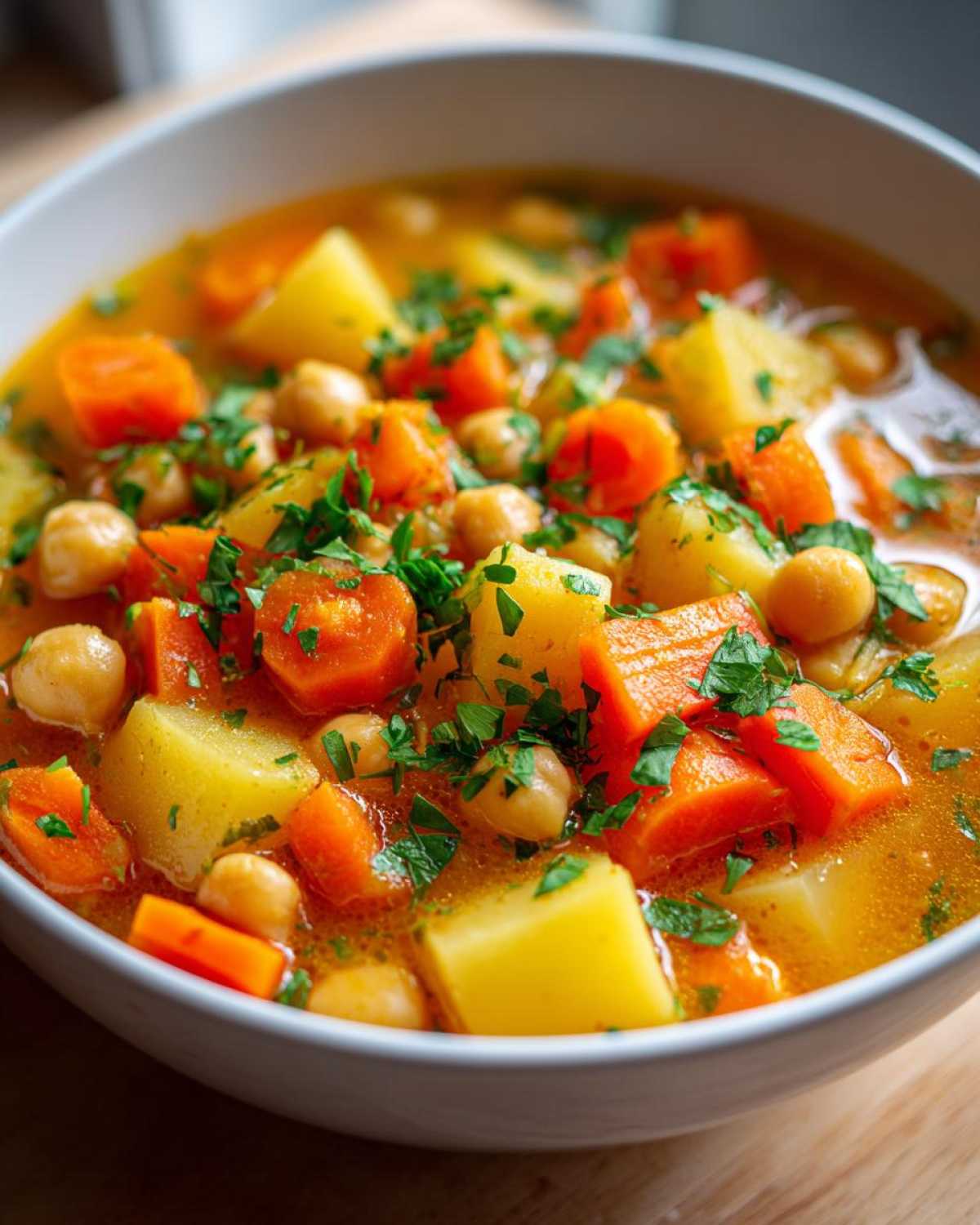
Seriously, leave me a comment telling me what you thought. Did you add any bold customizations? Maybe you used kale instead of parsley, or perhaps you doubled the cumin? I love hearing how you all put your own spin on these classic base recipes. If you snapped a photo of your beautiful, thick bowl of soup, please tag me on social media! Seeing my recipes come to life in your kitchens is the highlight of my week. Come see what other adventures I’m cooking up on the main blog page!
PrintThe Ultimate Hearty Chickpea and Potato Soup: A Masterclass in Flavor Building
Follow these detailed steps to build deep flavor in your chickpea and potato soup, achieving a perfectly seasoned, hearty texture without added cream.
- Prep Time: 20 min
- Cook Time: 35 min
- Total Time: 55 min
- Yield: 6 servings
- Category: Soup
- Method: Stovetop Simmering
- Cuisine: General
- Diet: Vegetarian
Ingredients
- 2 tablespoons olive oil
- 1 large yellow onion, diced
- 3 carrots, peeled and chopped
- 3 celery stalks, chopped
- 4 cloves garlic, minced
- 1 teaspoon dried thyme
- 1 teaspoon ground cumin
- 1/2 teaspoon smoked paprika
- 1/4 teaspoon cayenne pepper (optional)
- 2 pounds Yukon Gold potatoes, peeled and cubed (about 1 inch)
- 6 cups vegetable broth
- 2 (15-ounce) cans chickpeas, rinsed and drained
- 1 (14.5-ounce) can diced tomatoes, undrained
- 1 bay leaf
- 1 teaspoon salt, or to taste
- 1/2 teaspoon black pepper, or to taste
- 1/4 cup fresh parsley, chopped (for garnish)
Instructions
- Heat the olive oil in a large Dutch oven or heavy-bottomed pot over medium heat.
- Add the diced onion, carrots, and celery. Cook, stirring occasionally, until the vegetables soften, about 8 minutes.
- Add the minced garlic, thyme, cumin, smoked paprika, and cayenne pepper (if using). Cook for 1 minute until fragrant. This step builds your aromatic base.
- Add the cubed potatoes, vegetable broth, rinsed chickpeas, diced tomatoes (with juice), and bay leaf to the pot.
- Bring the mixture to a boil, then reduce the heat to low, cover, and simmer for 15 to 20 minutes, or until the potatoes are fork-tender.
- Remove the bay leaf. For a slightly thicker soup, use an immersion blender to blend about one-third of the soup directly in the pot, or carefully transfer one cup of soup to a regular blender, blend until smooth, and return it to the pot. Stir well.
- Season the soup with salt and pepper. Taste and adjust seasonings as needed. If the soup is too thick, add a splash more broth or water.
- Ladle the soup into bowls and garnish with fresh parsley before serving.
Notes
- For the best texture, use waxy potatoes like Yukon Gold, as they hold their shape better than starchy varieties.
- If you prefer a richer flavor, sauté the vegetables in 1 tablespoon of butter mixed with the olive oil.
- To boost flavor depth, roast the potatoes separately at 400°F for 15 minutes before adding them to the soup base.
- If using dried chickpeas, soak them overnight and cook them separately until tender before adding them in step 4.
- For a vegan option, confirm your vegetable broth is free of animal products.
Nutrition
- Serving Size: 1.5 cups
- Calories: 310
- Sugar: 7
- Sodium: 550
- Fat: 7
- Saturated Fat: 1
- Unsaturated Fat: 6
- Trans Fat: 0
- Carbohydrates: 55
- Fiber: 12
- Protein: 14
- Cholesterol: 0