

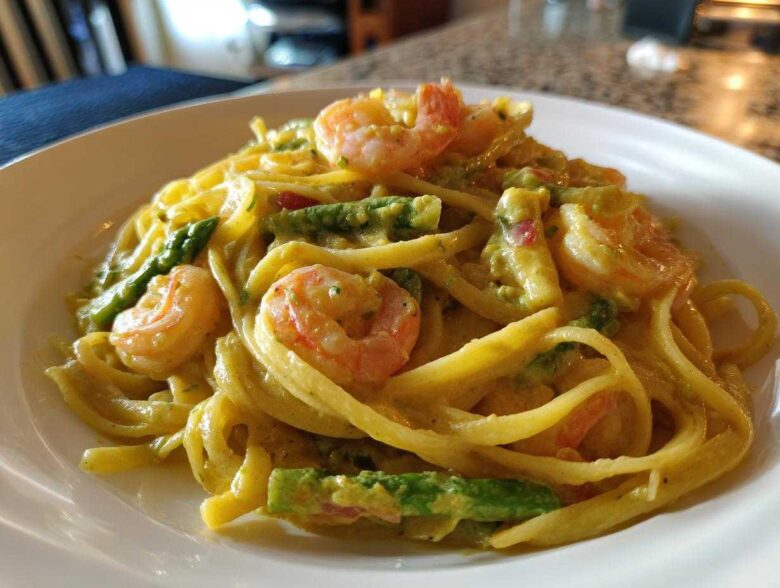
Who says you need a three-star reservation to eat like royalty? I’m obsessed with turning a regular Tuesday night into something special, and this shrimp pasta is my secret weapon for achieving that weeknight luxury. This isn’t just any seafood dish; this is the ultimate simple weeknight seafood pasta that punches way above its weight. My goal when creating this recipe was nailing that perfect harmony: it has to be unbelievably creamy, but with the brightest, freshest lemon flavor you can imagine. Trust me, it took me a few tries to get the zest and the richness balanced just right so the lemon cuts through the cream without being too sharp. When you finish this, you’ll see why it’s my go-to!
Why This Creamy Lemon Shrimp Pasta Fresh Flavor Recipe Works (E-E-A-T)
This recipe really sings because we skip the shortcuts, giving you that authentic, bright taste. It’s seriously the quick creamy lemon sauce you dream about. Here’s the deal:
- Real Creaminess: We use heavy cream cut with starchy pasta water and Parmesan. This creates an emulsified, velvety coat—it’s rich, not gloppy!
- Fresh Lemon Power: We use both the juice *and* the zest. That zest holds all the essential oils that give you that unparalleled, fresh flavor explosion. Don’t even think about using bottled juice here!
- Perfectly Cooked Shrimp: We sear the shrimp fast and pull them out immediately, so they stay tender and plump in the final dish.
Essential Ingredients for Creamy Lemon Shrimp Pasta Fresh Flavor
When you’re aiming for the absolute best shrimp pasta with fresh lemon flavor, the ingredients absolutely have to be top-notch. If you skimp here, that signature “fresh flavor” just won’t happen, no matter how perfectly you cook it!
Here’s what you need ready on your counter before that garlic even hits the pan:
- One whole pound of linguine or fettuccine—make sure it’s a good quality pasta that holds sauce well!
- A pound of large shrimp; they need to be peeled and deveined, please. No exceptions!
- The fat base: Two tablespoons of good olive oil plus four tablespoons of unsalted butter.
- Four full cloves of garlic, minced very finely. I mean tiny pieces!
- If you’re using wine, grab half a cup of dry white wine; otherwise, have one cup of low-sodium chicken broth ready.
- For the creaminess: one cup of heavy cream.
- Half a cup of grated Parmesan cheese, and have extra bowls ready for serving when you’re done!
- This is crucial for the zest: the zest of two large, bright yellow lemons, and then all the fresh juice from those same two lemons—usually about a quarter cup.
- If you want a pop of green, trim about a cup of asparagus tips.
- Finally, a quarter cup of chopped fresh parsley, salt, and black pepper to taste. Remember, using fresh herbs really boosts that E-E-A-T factor we love!
Step-by-Step Guide to Making Creamy Lemon Shrimp Pasta Fresh Flavor
Okay, don’t panic about the ingredient list. This is actually a super fast process once you get organized, which is why it’s fantastic for a garlic butter shrimp linguine night upgrade. We are moving fast here, but we won’t rush the flavor! Remember, timing is everything, especially with shrimp; you don’t want them tough.
Preparing the Pasta and Shrimp
First things first: get that pasta water boiling away. Cook your linguine or fettuccine according to the package, but stop it just shy of fully done—we want it perfectly al dente because it finishes relaxing in the sauce later. Pull out about a cup of that starchy, cloudy water before you drain everything; that’s liquid gold for our sauce, seriously, don’t skip it!
While that’s happening, season those beautiful shrimp with salt and pepper. Get your big skillet hot over medium-high heat with the olive oil and half the butter (2 tablespoons). Toss the shrimp in and cook them fast—maybe 2 to 3 minutes on each side until they just turn pink and opaque. As soon as they look done, scoop them right out and set them on a plate. They’re just hanging out while we build the base; we don’t want them rubbery!
Building the Quick Creamy Lemon Sauce
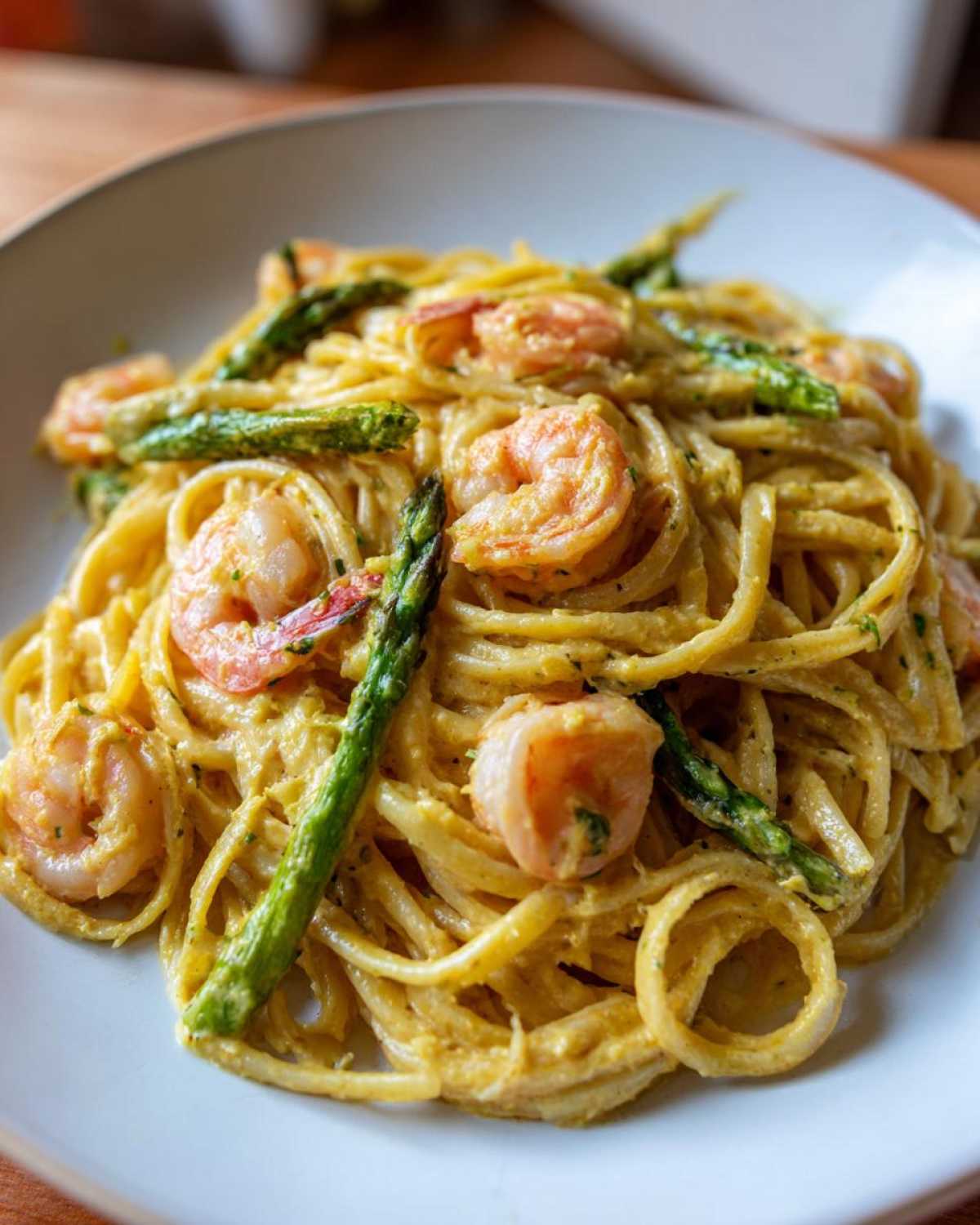
Now, turn the heat down a touch to medium. Add the remaining 2 tablespoons of butter to that same skillet—all those little browned bits from the shrimp add so much fantastic flavor! Toss in your minced garlic and let it cook until you can really smell it, which is about 30 seconds. Don’t let it burn, or the whole dish tastes bitter, which we absolutely cannot have in a bright lemon dish!
If you’re using wine, pour that half cup in now and let it bubble and simmer for just a minute, scraping up all those fond bits from the bottom. Next, pour in the chicken broth and all that fresh lemon juice. Bring that up to a gentle simmer—we just want it warm and infused. Then, stir in the heavy cream and the lemon zest. That zest is going to wake everything up! Let this mixture bubble gently for about two minutes until it starts looking a little thicker.
Combining and Finishing Your Creamy Lemon Shrimp Pasta Fresh Flavor
This is where the magic happens and it all starts looking like that amazing rich and zesty shrimp dish!
Dump the drained pasta right into the sauce, along with your Parmesan cheese and those asparagus tips if you’re using them. Start tossing everything together. Now, take that reserved pasta water and start adding it just a few tablespoons at a time. You’ll toss, add water, toss again. Keep adding that starchy liquid until the sauce clings beautifully to every strand of pasta and you have that luxurious coating. That starchy water is what makes it truly creamy!
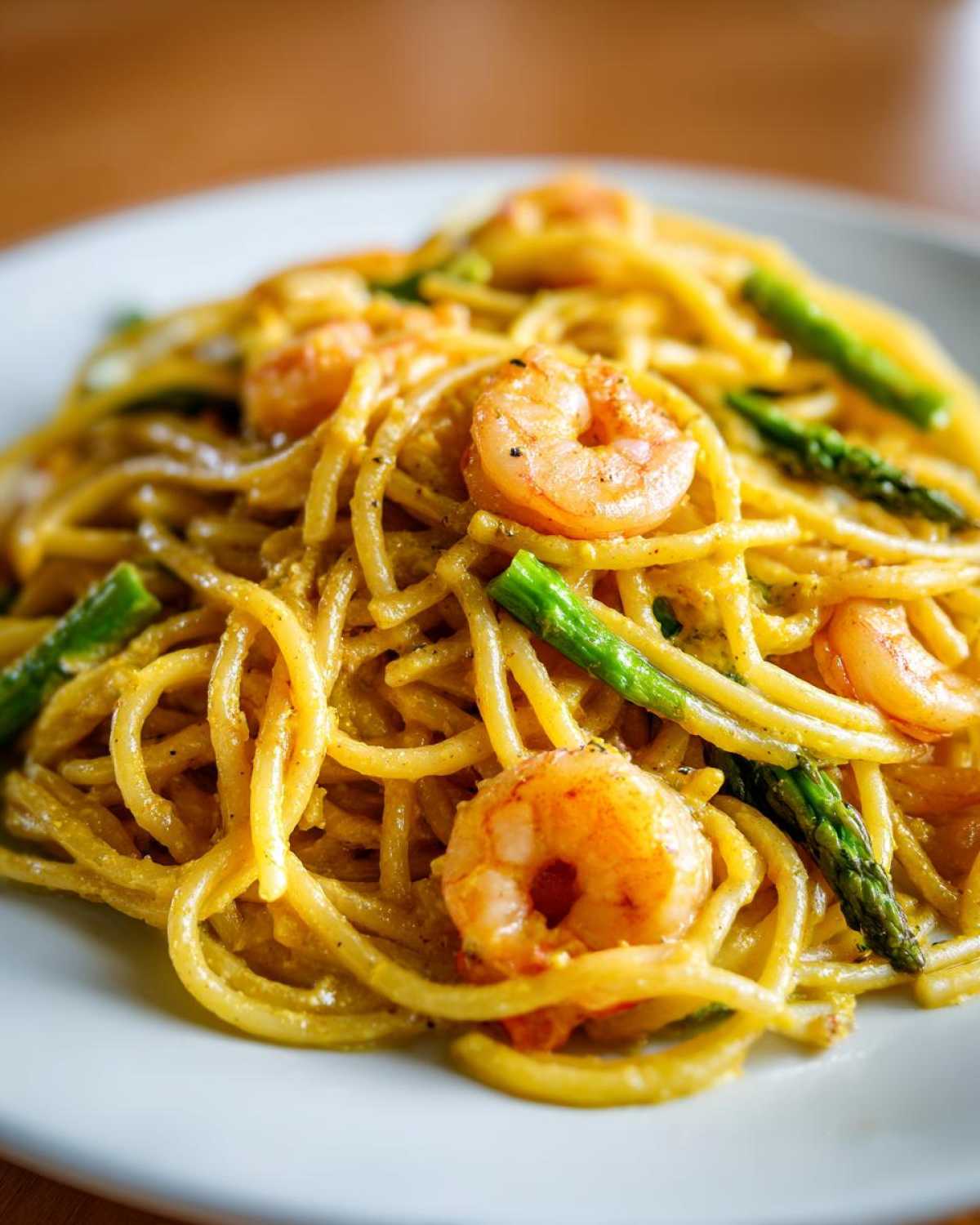
Once the sauce looks perfect, slide the shrimp back into the pan. Just toss them gently for maybe 30 seconds to warm them back up. Kill the heat, stir in your fresh parsley, taste it, and adjust the salt and pepper. And there you have it—a show-stopping creamy lemon shrimp pasta fresh flavor ready to eat!
Ingredient Notes and Substitutions for Bright Citrus Pasta Recipes
I know you’re tempted to speed things up sometimes, but let’s talk about those substitutions real quick. If you want this bright citrus pasta recipe to truly shine, you need to respect the core ingredients. My grandmother always said you can’t fake good flavor, and that holds true here!
Remember what I said about the lemon juice? You must use fresh juice. Bottled stuff tastes flat and kind of metallic against the cream. If you only have access to slightly smaller lemons, just go ahead and zest three instead of two. You want that intense, fresh aroma!
If you’re trying to make this a lighter meal—maybe you’re not feeling the heavy cream today—you can try swapping it out, but be warned, the texture changes! My note says you can use half-and-half, but honestly, you might need to add a little less of that reserved pasta water because half-and-half is already a bit thinner. You have to watch it closely.
And since we are talking about the “fresh flavor” element, let’s talk about the shrimp for getting those fresh tasting shrimp dinner ideas on the table. If you can, buy fresh rather than frozen if your grocery store has a reputable seafood counter. If you *must* use frozen, make sure you thaw them completely in the refrigerator overnight. Rinse them really well under cold water just before patting them dry before cooking. Dry shrimp sear better, and better searing means better flavor!
Also, don’t forget the wine! If you skip the wine, don’t just skip it—use that extra half-cup of chicken broth I mentioned in the notes. That liquid helps lift the garlic and butter off the bottom of the pan, which is super important for the flavor base.
Tips for Success with Rich and Zesty Shrimp Dish
Getting this rich and zesty shrimp dish perfect comes down to three tiny things I learned through trial and error. This is where we move from a good shrimp pasta to that spectacular, restaurant-quality **Creamy Lemon Shrimp Pasta Fresh Flavor** experience. Keep these pointers handy!
First, we have to talk about heat management when searing the shrimp. You want your skillet screaming hot when the shrimp goes in—like, seriously hot—but only for a short burst. If the heat is too low, the shrimp steams instead of searing, they get watery, and you lose all that wonderful browned flavor we want from the pan fond. Quick sear, quick removal; that’s the motto!
Second, the timing of the lemon is everything! I always add the lemon juice when combining the broth, but the lemon zest needs to go in just before the cream or right after. If you add the zest too early when the liquid is boiling hard, some of that vibrant, fresh essential oil actually cooks off or gets bitter. We want it bright, so only let it simmer gently near the end—it keeps that “fresh flavor” punch!
My third must-do tip involves adjusting the seasoning. You are adding salty Parmesan cheese to this sauce, right? So, don’t heavily salt the sauce base *before* you add the cheese. Season the shrimp lightly before searing, and then wait until the very last moment, after the pasta and cheese are tossed in, to do your final salt and pepper check. You’ll always gauge the salt level better once the Parmesan is in the mix.
Finally, if you are using the optional asparagus tips, make sure they are snapped thin! Thick, woody asparagus won’t cook through in the 2-3 minutes they spend simmering in the sauce. We want tender-crisp greens, not crunchy sticks, that complement the pasta perfectly.
Serving Suggestions for Your Italian Inspired Shrimp Pasta
So, you’ve created this absolutely stunning, zesty, and rich bowl of **Creamy Lemon Shrimp Pasta Fresh Flavor**. What do you serve next to it? You don’t want anything too heavy that competes with that beautiful, bright citrus, right? This dish is already a showstopper on its own, but a couple of simple additions really round out the meal and make it feel complete.
Since this is an immensely satisfying, restaurant-style pasta, you don’t need much else, but here are my favorite ways to finish the plate according to my Italian inspired shrimp pasta standards:
First off, bread. Always, always serve this with bread. You have this incredible creamy lemon sauce clinging to your noodles, and you absolutely need something crusty to mop up every last drop from the bowl. A simple baguette, toasted lightly with a little garlic butter, is all you need. Don’t overcomplicate it; that sauce deserves the spotlight!
If you want a vegetable side—especially if you skipped the asparagus in the pasta—stick to something green and crisp to balance the richness. A very simple Arugula Salad is my go-to. All you need is arugula, a tiny drizzle of good quality olive oil, a squeeze of fresh lemon juice (we love lemon here!), and maybe just a shaving or two of Parmesan on top. The peppery bite of the arugula cuts right through the heavy cream wonderfully without adding a lot of effort.
Wine pairing is also fun here! Since we used dry white wine in the sauce, serving the remainder of a crisp Sauvignon Blanc or a Pinot Grigio alongside the pasta makes the flavors in the sauce pop even more. It just feels right, doesn’t it?
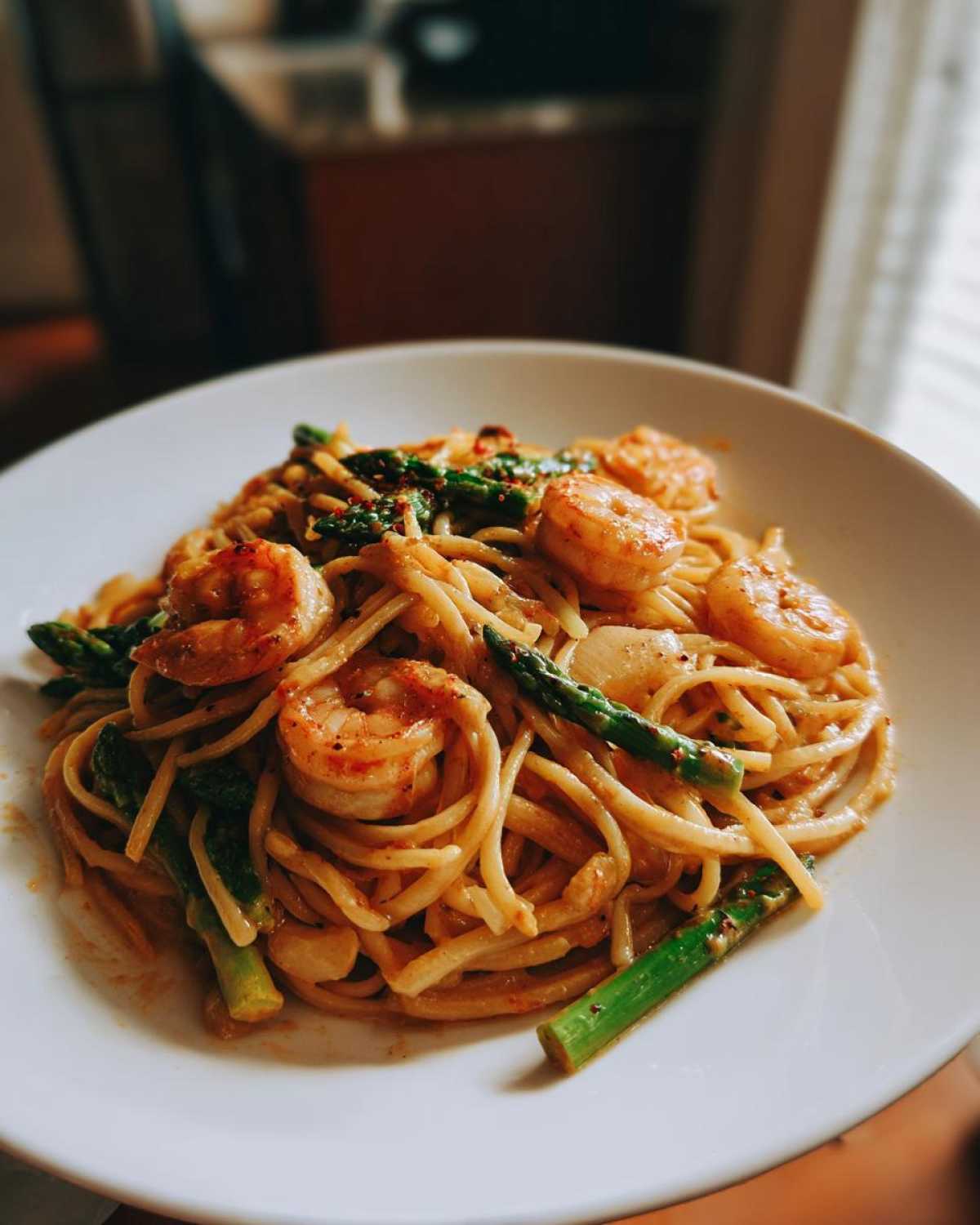
Storing and Reheating the Creamy Lemon Shrimp Pasta Fresh Flavor
Listen, I sincerely hope you eat every last bit of this creamy lemon shrimp pasta fresh flavor the minute it comes off the stove because honestly, it’s best right then. But hey, life happens, and if you have leftovers, we can absolutely salvage them and make them taste nearly as good the next day!
First rule of storage: get those leftovers into an airtight container as soon as they are cool enough to handle, but don’t let them sit out for more than an hour or two. Pasta doesn’t love to linger at room temperature, especially when it’s coated in dairy like this one. This dish will keep well in the fridge for about two to three days, maximum.
Now, here’s the tricky part: reheating. Because we built this beautiful sauce using heavy cream, Parmesan, and starchy pasta water, things tend to seize up a bit when cold. If you just dump the cold pasta into the microwave, you’ll end up with heavy, potentially broken clumps of sauce clinging tightly to the noodles. Not ideal!
When you go to reheat in a saucepan over medium-low heat (which is always better than the microwave for creamy pasta, in my opinion), you need to add liquid back in. I usually add about a tablespoon or two of extra chicken broth or even just plain water for every serving I’m warming up. Stir it constantly over low heat. This splash of liquid helps loosen up the cheese and the cream, essentially forcing the sauce to re-emulsify. Just keep stirring and adding tiny splashes until it loosens up and coats the noodles nicely again.
If you absolutely must use the microwave, put the leftovers in a microwave-safe bowl with that tablespoon of broth or water, cover it loosely, and heat in 30-second bursts, stirring well between each one. It’s a bit more work, but it prevents that weird rubbery texture that happens when you try to reheat creamy seafood pasta too fast. You should be back to enjoying almost-perfect leftovers in no time!
Frequently Asked Questions About This Shrimp Pasta
I get so many great questions about this recipe, especially since everyone wants to make sure they get that **Creamy Lemon Shrimp Pasta Fresh Flavor** just right! Since this is one of my favorite easy shrimp pasta recipe go-tos for company, here are a few things folks often ask me.
Can I use chicken instead of shrimp?
Yes, you totally can! If you’re looking for fresh tasting dinner ideas but aren’t feeling shellfish, chicken breast cubes work beautifully. Just make sure you dice the chicken small—about half an inch—and cook it longer in step 3, maybe 6 to 8 minutes total, until it’s completely cooked through before you take it out of the pan. You might need a tiny splash more broth since chicken won’t release as much liquid as shrimp does.
What is the best pasta shape for this sauce?
I always call for linguine or fettuccine because those long strands really grab onto the thick, creamy sauce when you toss everything together. However, if you want to try something different, short, sturdy shapes like rigatoni or penne are excellent too! They act like little cups, holding the sauce and little bits of garlic inside. If you use very thin pasta, like capellini, you need to be extra careful when tossing so it doesn’t break apart!
How do I make creamy lemon sauce without heavy cream?
This is the question I get asked the most! If you need to know how to make creamy lemon sauce without heavy cream, you need starch and fat, not just thinner milk. You can substitute the heavy cream with an equal amount of evaporated milk or full-fat coconut milk (though the coconut milk will add a hint of flavor). The absolute best trick, though, is using a cornstarch slurry mixed into the broth before you add the lemon juice. Just dissolve about one teaspoon of cornstarch in 2 tablespoons of cold water, then whisk that in before you add the cream substitute—it helps stabilize the sauce beautifully so it looks more like a classic restaurant style creamy pasta seafood dish!
Why did my sauce split or break when I added the cheese?
Oh, that’s frustrating! It usually means the heat was too high when you added the Parmesan cheese. Parmesan is rich in fat and cheese solids, and if you dump it into a sauce that’s actively boiling, the heat overpowers the emulsification process, and the fat separates from the liquid. Make sure the heat is on low—or even turned off completely—when you stir in the cheese. Then, use that starchy pasta water, a tablespoon at a time, to gently coax the sauce back together into that smooth, delicious finish.
Recipe Information and Estimated Nutrition
I always like to keep things transparent with my readers, especially when it comes to how much time you’re committing to this amazing dish. Because this is a true weeknight warrior, the times are fantastic for a rich, **Creamy Lemon Shrimp Pasta Fresh Flavor**!
Here are the quick facts on timing and servings:
- Prep Time: About 15 minutes. This is all about getting your lemons zested and garlic minced!
- Cook Time: A speedy 20 minutes because we’re searing shrimp and making a quick reduction sauce.
- Total Time: Just 35 minutes from start to glorious finish.
- Yield: This recipe makes 4 satisfying servings.
- Category: Dinner
- Method: Stovetop
- Cuisine: Italian-American
- Diet: Note: This recipe contains dairy and seafood.
Now, let’s look at the numbers. Since we are dealing with butter, cream, and Parmesan, this is certainly a luxurious meal, not a light salad! These values are just estimates for one serving, so keep that in mind. For the most accurate count, of course, you’d need to check the exact brands you use, but this gives you a great ballpark idea for your meal planning.
Estimated Nutrition Per Serving (Approximate)
Remember, these numbers are based on the listed ingredients yielding four servings:
- Calories: 650
- Fat: 28g (This includes the good fats from olive oil and the richness from cream!)
- Saturated Fat: 15g
- Trans Fat: 0g
- Cholesterol: 250mg
- Sodium: 450mg (This can change a lot depending on how salty your broth and Parmesan are!)
- Carbohydrates: 65g
- Fiber: 3g
- Sugar: 4g (Almost all natural sugars from the lemon and pasta!)
- Protein: 38g (Thanks to all that shrimp!)
It’s a full, satisfying meal packed with protein, which helps keep you full long after you finish your last bite of that fantastic lemon garlic sauce!
PrintCreamy Lemon Shrimp Pasta with Fresh Flavor
Make a rich and zesty shrimp pasta featuring a bright, fresh lemon cream sauce. This recipe delivers restaurant quality flavor quickly.
- Prep Time: 15 min
- Cook Time: 20 min
- Total Time: 35 min
- Yield: 4 servings
- Category: Dinner
- Method: Stovetop
- Cuisine: Italian-American
- Diet: Vegetarian
Ingredients
- 1 pound linguine or fettuccine pasta
- 1 pound large shrimp, peeled and deveined
- 2 tablespoons olive oil
- 4 tablespoons unsalted butter
- 4 cloves garlic, minced
- 1/2 cup dry white wine (optional)
- 1 cup low-sodium chicken broth
- 1/2 cup heavy cream
- 1/2 cup grated Parmesan cheese, plus more for serving
- Zest of 2 large lemons
- Juice of 2 large lemons (about 1/4 cup)
- 1 cup asparagus tips, trimmed (optional)
- 1/4 cup fresh parsley, chopped
- Salt and black pepper to taste
Instructions
- Cook the pasta according to package directions until al dente. Reserve 1 cup of the starchy pasta water before draining.
- While the pasta cooks, season the shrimp lightly with salt and pepper.
- Heat the olive oil and 2 tablespoons of the butter in a large skillet over medium-high heat. Add the shrimp and cook for 2-3 minutes per side until pink and opaque. Remove the shrimp from the skillet and set aside.
- Reduce the heat to medium. Add the remaining 2 tablespoons of butter to the skillet. Add the minced garlic and cook for 30 seconds until fragrant.
- If using wine, pour it in and let it simmer for 1 minute, scraping up any browned bits from the bottom of the pan.
- Pour in the chicken broth and lemon juice. Bring to a gentle simmer.
- Stir in the heavy cream and lemon zest. Let the sauce thicken slightly, about 2 minutes.
- Add the drained pasta, asparagus tips (if using), and Parmesan cheese to the skillet. Toss to coat. Add reserved pasta water, a few tablespoons at a time, until the sauce reaches your desired creamy consistency.
- Return the cooked shrimp to the skillet. Toss gently to reheat.
- Stir in the fresh parsley. Season with salt and pepper to taste. Serve immediately with extra Parmesan cheese.
Notes
- For a lighter sauce, substitute half-and-half for the heavy cream, but you may need less pasta water.
- Use fresh lemon juice only; bottled juice changes the flavor profile.
- If you do not use wine, use an extra 1/2 cup of chicken broth in step 5.
Nutrition
- Serving Size: 1 serving
- Calories: 650
- Sugar: 4
- Sodium: 450
- Fat: 28
- Saturated Fat: 15
- Unsaturated Fat: 13
- Trans Fat: 0
- Carbohydrates: 65
- Fiber: 3
- Protein: 38
- Cholesterol: 250