

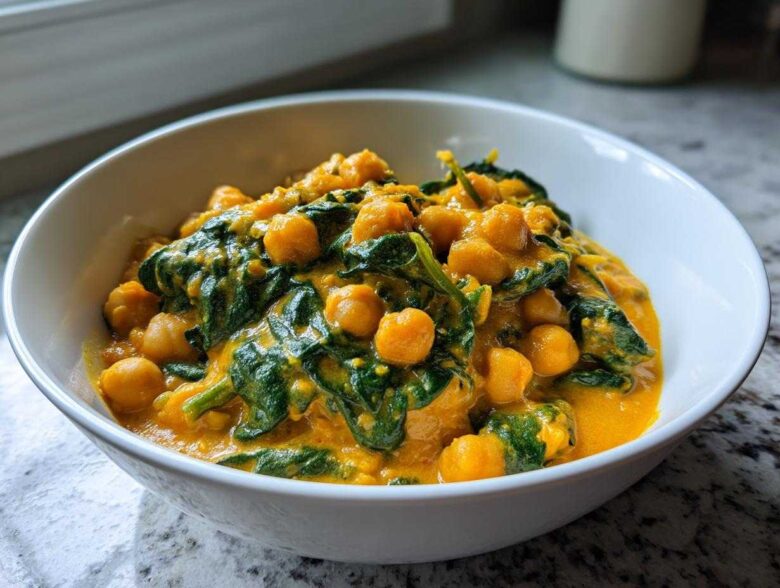
Oh, I know the feeling. It’s 6 PM, you’re tired, and the thought of making a complicated dinner seems impossible. You want something hearty, satisfying, and flavorful, but you only have about thirty minutes to pull it off. Trust me, I live in that 6 PM panic zone almost every Tuesday! That’s why I genuinely rely on this incredible Vegetarian Chickpea Curry with Coconut Milk. It’s my absolute go-to, weeknight lifesaver.
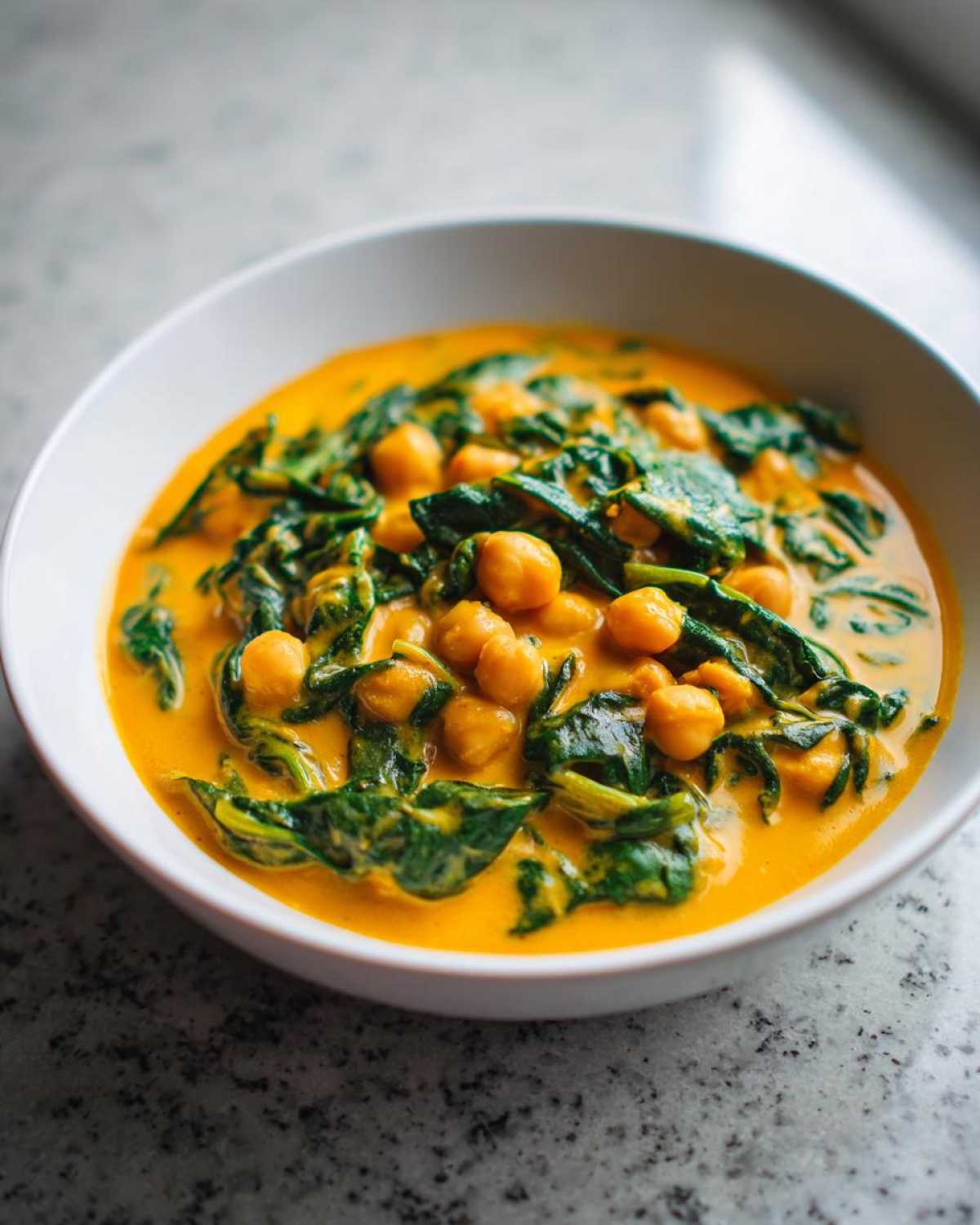
This isn’t just some bland veggie stew, either. We’re talking rich, deeply aromatic spices, tender chickpeas, and the most luxurious, velvety sauce you can get, all thanks to that wonderful full-fat coconut milk. It tastes like you slaved over it for hours, but honestly, it comes together faster than ordering takeout. When my family smells that ginger and cumin hitting the hot oil, they already know the house is about to smell amazing. I’ve made this dish so many times that I barely need to look at the instructions now; it’s embedded in my muscle memory, proving just how simple and dependable this recipe is for truly satisfying, quick plant-based meals. It’s genuinely the best!
If you’re looking for that perfect, comforting main course that just *works*, look no further. You can grab all the details and tips over on my main recipe page here: Find the full recipe post!
Why This Vegetarian Chickpea Curry with Coconut Milk Works So Well
Okay, so why is this my reigning champion for busy nights? Look, I’ve tinkered with countless vegetarian dishes, but this one always wins because it delivers huge flavor without a huge timeline. It’s not fussy, and every ingredient plays an important role, which is what makes it an absolutely rock-solid, go-to meal for any healthy vegetarian main course.
- It’s an absolute winner for weeknight cooking because you start eating in less than 35 minutes total.
- It’s packed with spices, making it intensely satisfying, hitting that “Indian Inspired Vegetarian Meal” craving perfectly.
- Zero animal products! This recipe proves you don’t need cream or meat for a truly decadent experience.
Flavorful Plant Based Curry Ready Fast
Seriously, the actual cooking part clocks in around twenty-five minutes. That’s my big selling point! We bloom the spices right at the start—that’s where the magic happens, folks—and because everything else goes in so quickly afterwards, you get this incredibly aromatic chickpea curry that tastes like it simmered all afternoon. It’s the definition of a quick vegetarian curry victory.
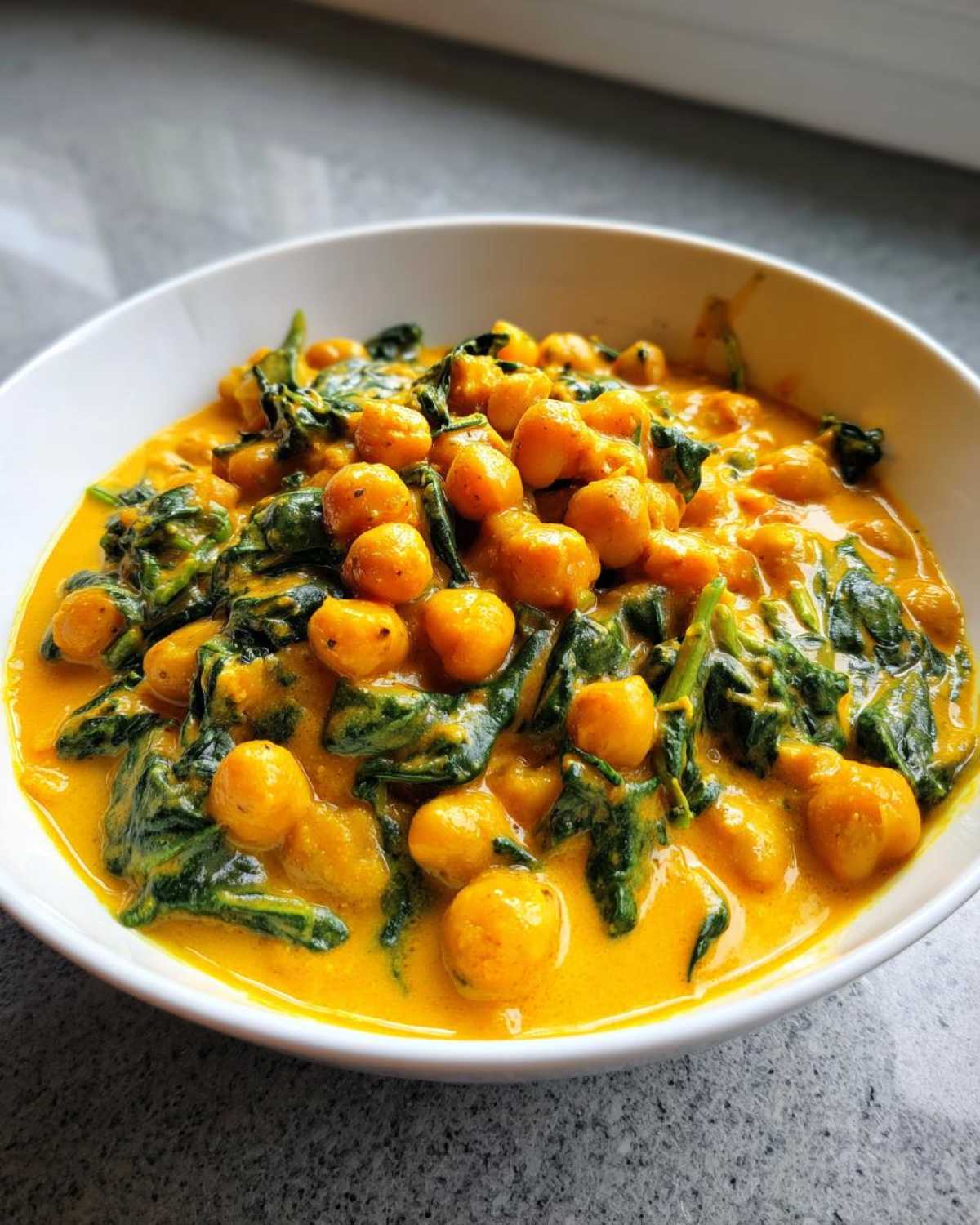
The Creamy Coconut Milk Curry Texture
You absolutely must use the full-fat can, don’t even think about the ‘light’ version unless you want a watery soup. The full-fat coconut milk emulsifies beautifully with the tomatoes and spices during the simmer. That’s how we achieve that glorious, velvety coating on every single chickpea. It creates the *best vegan curry sauce* without any need for blending or thickening agents. It’s pure stovetop science!
Gathering Ingredients for Your Vegetarian Chickpea Curry with Coconut Milk
Alright, time to shop! Honestly, this part is super simple because most of what you need is pantry standard, which is why this makes such a wonderful Easy Chickpea Curry Recipe. The key here, like always, is attention to detail on a few specific items. When you’re picking up canned goods, please make sure you grab the *full-fat* coconut milk—we talked about why that’s essential for that rich texture!
Also, for our star ingredient, the chickpeas, you’ll grab two standard 15-ounce cans. Make sure you give those a really good rinse under cold water and drain them well before they go into the pot; nobody wants that can-y liquid hanging out in our beautiful curry base. And don’t skimp on the fresh ginger and garlic; that’s where so much of the bright flavor comes from, especially when you’re moving fast on a weeknight. If you’re looking for great ways to use up extra chickpeas, check out my recipe for crispy air fryer chickpeas!
Here’s the exact ingredient breakdown for this fantastic Flavorful Plant Based Curry:
- One tablespoon of coconut oil (because we love that subtle tropical note!)
- One large onion, chopped up nicely.
- Two cloves of garlic, minced—really get that flavor out!
- One tablespoon of fresh ginger, grated smooth.
- One teaspoon of ground cumin.
- One teaspoon of ground coriander.
- Half a teaspoon of turmeric powder—for color as well as earthiness.
- A quarter teaspoon of cayenne pepper. (Remember, this is adjustable! We’ll chat spice later.)
- One 14.5 ounce can of diced tomatoes, and don’t drain that juice!
- One 13.5 ounce can of *full-fat* coconut milk.
- Two 15 ounce cans of chickpeas, rinsed and drained.
- Five ounces of fresh spinach. That seems like a lot, but it shrinks down to nothing!
- One teaspoon of salt, or just enough to make the flavors pop.
- Half a teaspoon of black pepper.
- One tablespoon of fresh lime juice, for that final zing right at the end.
How to Prepare Your Easy Chickpea Curry Recipe
Alright, let’s get cooking! This is where the effort really pays off, even though the effort is pretty minimal, trust me. We’re essentially stacking layers of flavor here until we hit peak deliciousness. I always tell people that the secret to any great Simple Chickpea Stew is how you treat those first few ingredients. Don’t rush the beginning!
I put this whole process into three easy phases so you can see exactly where to focus your attention. Once you nail these steps, you’ll be whipping up this Vegetarian Chickpea Curry with Coconut Milk anytime you want! If you want to check out another post while your onions soften, feel free to browse some more tips here: You can find more of my home cooking adventures!
Building the Flavor Base: Aromatics and Spices
The very first thing we do is get that big, heavy pot or Dutch oven working on medium heat with the coconut oil. We need it hot enough to soften the onions, but we don’t want it sizzling violently.
- Toss in your chopped onion and let it cook gently until it starts looking soft and translucent—that takes about five minutes. Don’t let it brown; we want sweet onions here, not crispy ones!
- Next, quickly add your minced garlic and that grated fresh ginger. These two only need about 60 seconds, maybe less—just until you can really smell them. Don’t walk away during this step; burnt garlic is the saddest flavor killer.
- Now, the superstar step: Add all your dry spices—the cumin, coriander, turmeric, and cayenne. Stir them constantly for just 30 seconds. I mean it, just thirty! This ‘blooming’ of the spices in the hot oil is what makes the whole dish pop and turns it into an authentic, aromatic chickpea curry base. If you see the spices getting dry, add a tiny splash of oil, but keep stirring!
Simmering the Hearty Chickpea Dinners Base
Once those spices are screaming with flavor, it’s time to cool the pot down slightly and introduce the liquids. This prevents scrambling anything and gets us into slow-simmer territory, perfect for those hearty chickpea dinners.
- Pour in your can of diced tomatoes (juice and all!) and then swoop in that luxurious can of full-fat coconut milk. Stir that around nicely.
- Bring the mixture up to a *gentle* simmer. I mean tiny, lazy bubbles—not a fast, rolling boil—because we want to marry the flavors, not break down the sauce.
- Add in your rinsed chickpeas, salt, and pepper. Give it a big stir, put the lid on loosely, and let this mixture hang out on low heat for about 10 minutes. This is when the chickpeas really soak up all that wonderful flavor profile we built in the initial steps.
After that short simmer, we toss in the spinach and let it wilt down completely. Finish it with that beautiful hit of fresh lime juice right off the heat. That’s it! You’ve got your savory, satisfying meal ready to go.
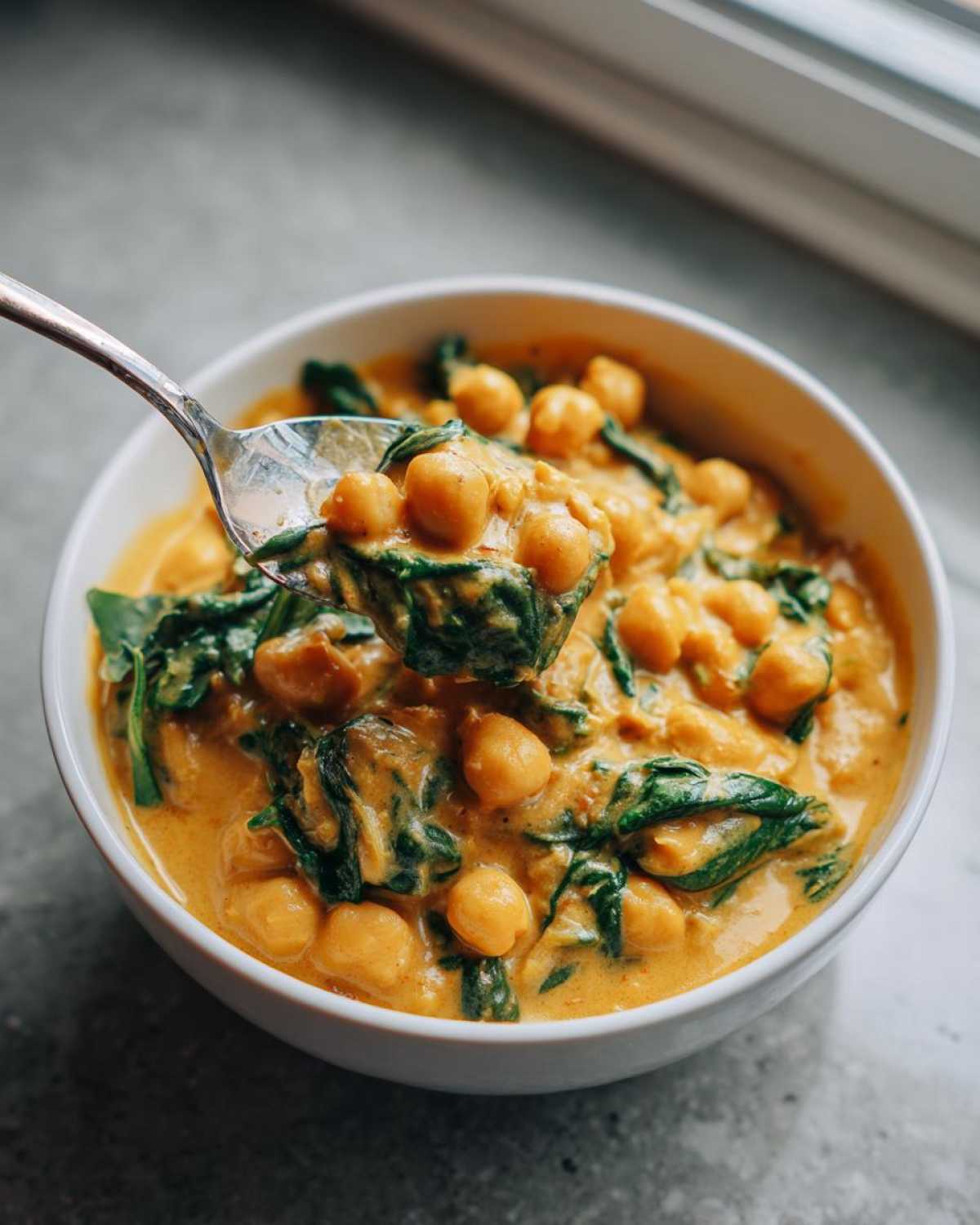
Tips for Success with Your Stovetop Chickpea Curry
You’ve got your beautiful, fragrant stovetop chickpea curry simmering away, but here are a few little tricks I use to ensure it’s absolutely perfect every time. Remember those notes I keep on my recipe card? They are pure gold, and they truly elevate this creamy coconut milk curry from good to fantastic.
First thing: If you taste it halfway through simmering and it feels a tiny bit too thin for your liking, just take the lid off for the last five minutes while you are waiting for the spinach to wilt. Letting it breathe lets some of that water evaporate, resulting in a thicker, heartier sauce, just like a perfect, rich Vegetarian Chickpea Curry with Coconut Milk should be! If you need a quick break while it simmers, I’ve linked my main blog page right here: Check out my other recipe adventures!
Also, remember that cayenne pepper? If your mouth is sensitive to heat—and that’s totally fine—just skip it! Don’t feel obligated to use it. Conversely, if you like things really fiery, maybe add a tiny bit more next time. Here’s my secret E-E-A-T tip: Sometimes those canned tomatoes are a little tart. If you accidentally use a tangy batch, just stir in the smallest pinch of sugar—maybe half a teaspoon? It doesn’t make the curry sweet; it just perfectly rounds out the acidic bite against the creaminess of the coconut milk. It’s a game-changer!
Variations for This Flavorful Plant Based Curry
One thing I absolutely love about this basic recipe framework is how versatile it is. It’s designed to be an incredibly easy foundation for any Indian Inspired Vegetarian Meal you might be craving, even if you have random veggies sitting in the crisper drawer that need using up! Don’t feel locked into just spinach for your greens—kale works beautifully here, though you might let it cook for an extra minute to soften since it’s a bit tougher.
If you wanted to bulk this up into an even heartier meal, I often toss in some cubed sweet potatoes right when I add the chickpeas. They cook perfectly during that 10-minute simmer, softening beautifully in the sauce. Just treat them like any other vegetable addition and make sure they get coated well in that creamy base. It turns this quick evening meal into something truly substantial!
Adjusting Heat Level in Your Creamy Coconut Milk Curry
We all have different tolerances for heat, don’t we? That little bit of cayenne I put in is just to give it a little warmth, but for those of you who like it fiery, you can easily ramp up the heat in your creamy coconut milk curry!
If you want real punch, don’t just rely on dry spices. When you’re cooking the onions, toss in one finely minced red chili, seeds and all if you dare! That fresh heat really cuts through the richness of the coconut milk. If you are on the opposite end of the spectrum, and you want zero heat, just skip the cayenne entirely. If you accidentally made it too spicy anyway, a tiny drizzle of maple syrup or even a small spoonful of sugar—just enough to taste over the spices—will neutralize the burn beautifully. It’s all about making this your perfect dish!
If you are experimenting with veggie additions, feel free to share what you tried over on my main blog post! I love seeing what everyone else is cooking up: Check out the comments section!
Serving Suggestions for Your Vegetarian Chickpea Curry with Coconut Milk
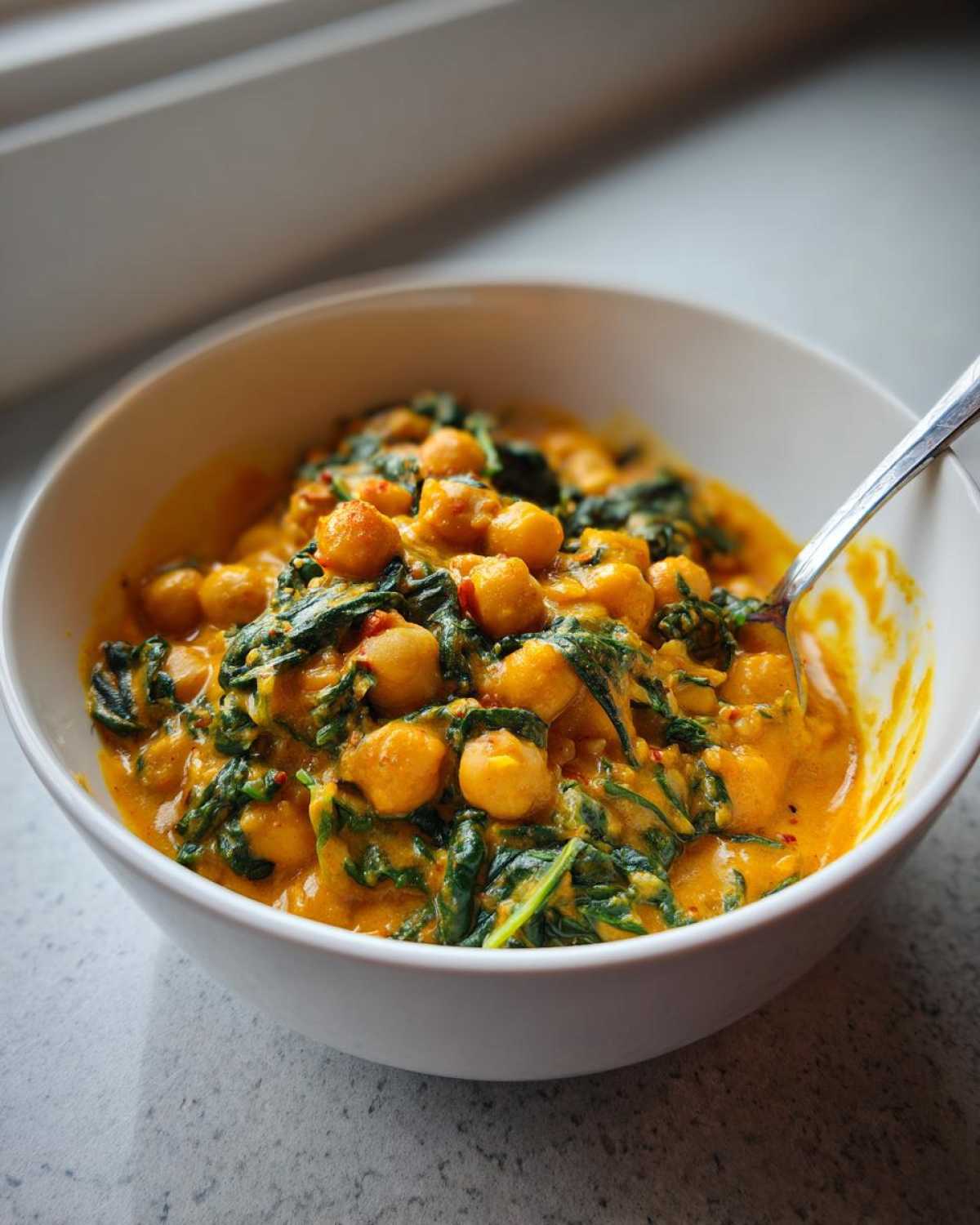
So, you’ve managed to make this beautiful, rich Vegetarian Chickpea Curry with Coconut Milk in under thirty minutes—congratulations! Now, what do we eat it with? My go-to, hands-down champion pairing is always fluffy basmati rice. The rice soaks up all that extra creamy sauce, which is frankly the best part of the experience.
If you’re feeling a bit cozier, tearing off chunks of warm, chewy naan bread for dipping is non-negotiable. And please, please don’t skip the garnish! A little shower of fresh cilantro brightens everything up instantly. If you’re not keeping it strictly vegan, a side of simple, cooling cucumber raita is heavenly—it balances the warmth from our spices perfectly. If you need ideas for making homemade naan, I’ve got some tips posted over on my main blog page: See my favorite bread recipes here!
Storage and Reheating Instructions for Leftover Vegan Chickpea Curry Dinner
The best part about this amazing Vegan Chickpea Curry Dinner? The leftovers are even better the next day once those spices really have time to settle in! Seriously, I always aim to make a double batch. Store any leftovers in an airtight container once they’ve cooled down completely, and they will happily hang out in the fridge for three to four days. Trust me, they taste even richer!
When you’re ready for round two, I strongly recommend reheating this on the stovetop. Yes, you *can* microwave it, but the texture of the coconut milk sauce sometimes goes a little funny under high microwave power. On the stove over medium-low heat, just stir occasionally until it’s piping hot again. If it looks a little thick after being chilled, don’t panic! Just stir in a splash of water or vegetable broth, and it comes right back to life. For more ideas on planning meals ahead, check out my organizational tips: See my meal prep guides here!
Frequently Asked Questions About This Curry
I always get questions when I post this recipe because everyone wants to know how to customize it or ensure it comes out perfectly creamy, just like mine! Here are a few things I hear most often about making this wonderful Vegetarian Chickpea Curry with Coconut Milk.
Can I use light coconut milk instead of full-fat for this Easy Chickpea Curry Recipe?
Oh, honey, I really advise against it if you can help it! When I first started experimenting with this, I tried the ‘light’ version thinking I was being healthier, and let me tell you—it was a big mistake. The fat in the full-fat coconut milk is what gives us that rich, velvety curtain that coats the chickpeas and spinach. If you use light coconut milk, you end up with a much thinner, almost watery sauce, and it just doesn’t have that luxurious feel that makes this such a comforting Easy Chickpea Curry Recipe. Stick to the heavy stuff for the best results!
What makes this a Vegan Chickpea Curry Dinner?
That’s an easy one, and it’s one of the main reasons I love this particular dish so much! Every single ingredient listed in the recipe is naturally plant-based. We use coconut oil instead of butter, we rely on chickpeas for protein, and we use vegetable base for simmering; there’s zero dairy, honey, or eggs anywhere in there. So yes, this is absolutely and completely a true Vegan Chickpea Curry Dinner! If you’re batch cooking, you can even use the freezer for longer storage; just make sure you let it thaw slowly in the fridge overnight. More tips on freezing are on my main blog post here: Check out more freezer-friendly meals!
Can I add other vegetables besides spinach?
Absolutely! This recipe is the perfect canvas for whatever you have on hand. If you chop up some sweet potato or butternut squash, you’ll want to toss those in right when you add the chickpeas so they have enough time to soften up during the 10-minute simmer. Carrots work great too! Just remember, denser vegetables need a little extra time to cook down in this Quick Vegetarian Curry.
How long does it take to toast the spices?
It’s quick, quick, quick! When the recipe says 30 seconds, stick to that time frame. You’re aiming to toast them in the hot oil with the aromatics just until you can *smell* them—that’s when the flavor releases. If you go much longer than 45 seconds, they start to burn easily, and nobody wants that bitter taste creeping into our Creamy Coconut Milk Curry.
Estimated Nutritional Breakdown
Okay, now for the numbers! I always try to keep track of what we’re eating, especially because this Vegetarian Chickpea Curry with Coconut Milk is such a healthy option for a main dish. Keep in mind that these figures are my best estimate based on the ingredient amounts listed, especially because the exact fat content can vary a little bit depending on which brand of full-fat coconut milk you happen to pull off the shelf that day. Always take nutritional estimates with a grain of salt!
This data is based on breaking the recipe down into four servings, which makes for a wonderfully hearty portion. It’s honestly amazing how much protein and fiber we pack into this simple, stovetop chickpea curry without needing any meat whatsoever! I’ve linked to my full disclaimer page here just so you can see where the numbers come from: My nutritional disclaimer notice.
Here’s a look at what you’re looking at per serving:
- Calories: Around 450
- Fat: About 25g (That rich coconut milk adds up, but it’s worth it!)
- Saturated Fat: Roughly 20g
- Carbohydrates: Around 50g
- Fiber: Wow! About 15g! That’s fantastic for keeping you full.
- Protein: A solid 15g to power you through the evening.
- Sodium: Around 550mg—this varies based on how much salt you add to taste.
- Cholesterol: 0mg, naturally!
If you’re looking to cut the fat slightly while still keeping the flavor of this Creamy Coconut Milk Curry close to the original, you could try using half regular broth and half full-fat coconut milk, but truly, that full can makes all the difference!
Share Your Thoughts on This Recipe
Now that you’ve had a chance to make my favorite weeknight lifesaver—this amazing Vegetarian Chickpea Curry with Coconut Milk—I genuinely want to hear everything! Cooking is about sharing, and what better way to share than through comments?
Did this Quick Vegetarian Curry save your Tuesday night? Did you try adding sweet potatoes or perhaps you tweaked the spice blend and found a new level of awesomeness? Please, tell me about it! If you made any ingredient swaps, especially around the spices or vegetables, I want the details so I can try them next time I whip up a batch of this Easy Chickpea Curry Recipe.
If you loved this recipe, please take a moment and give it a rating right there in the comments section; I cherish those five-star votes! It truly helps other busy home cooks find this incredibly satisfying and flavorful dish. I read every single comment, and I love seeing how this recipe translates into meals all over the place. Pop over to my contact page if you have a more specific question, but for general chat and recipe talk, the comments below are the place to be! You can always reach out directly through my contact form too!
PrintVegetarian Chickpea Curry with Coconut Milk
Make this easy, creamy coconut milk curry featuring chickpeas and spinach. This simple chickpea stew is a flavorful, quick vegetarian curry perfect for a weeknight dinner.
- Prep Time: 10 min
- Cook Time: 25 min
- Total Time: 35 min
- Yield: 4 servings
- Category: Dinner
- Method: Stovetop
- Cuisine: Indian Inspired
- Diet: Vegan
Ingredients
- 1 tablespoon coconut oil
- 1 large onion, chopped
- 2 cloves garlic, minced
- 1 tablespoon fresh ginger, grated
- 1 teaspoon ground cumin
- 1 teaspoon ground coriander
- 1/2 teaspoon turmeric powder
- 1/4 teaspoon cayenne pepper (adjust for heat)
- 1 (14.5 ounce) can diced tomatoes, undrained
- 1 (13.5 ounce) can full-fat coconut milk
- 2 (15 ounce) cans chickpeas, rinsed and drained
- 5 ounces fresh spinach
- 1 teaspoon salt, or to taste
- 1/2 teaspoon black pepper
- 1 tablespoon fresh lime juice
Instructions
- Heat the coconut oil in a large pot or Dutch oven over medium heat. Add the chopped onion and cook until soft, about 5 minutes.
- Add the minced garlic and grated ginger. Cook for 1 minute until fragrant.
- Stir in the cumin, coriander, turmeric, and cayenne pepper. Cook the spices for 30 seconds, stirring constantly.
- Pour in the diced tomatoes and the can of coconut milk. Bring the mixture to a gentle simmer.
- Add the rinsed and drained chickpeas, salt, and pepper. Stir well. Reduce the heat to low, cover, and let the curry simmer for 10 minutes to allow flavors to combine.
- Stir in the fresh spinach until it wilts completely into the sauce, which takes about 2 to 3 minutes.
- Remove the pot from the heat. Stir in the fresh lime juice. Taste and adjust salt or spice level as needed.
- Serve hot over rice or with naan bread.
Notes
- For a thicker sauce, simmer uncovered for an extra 5 minutes before adding the spinach.
- If you prefer less spice, omit the cayenne pepper entirely.
- Add 1 cup of frozen peas along with the chickpeas for extra vegetables.
Nutrition
- Serving Size: 1 serving
- Calories: 450
- Sugar: 8
- Sodium: 550
- Fat: 25
- Saturated Fat: 20
- Unsaturated Fat: 5
- Trans Fat: 0
- Carbohydrates: 50
- Fiber: 15
- Protein: 15
- Cholesterol: 0