

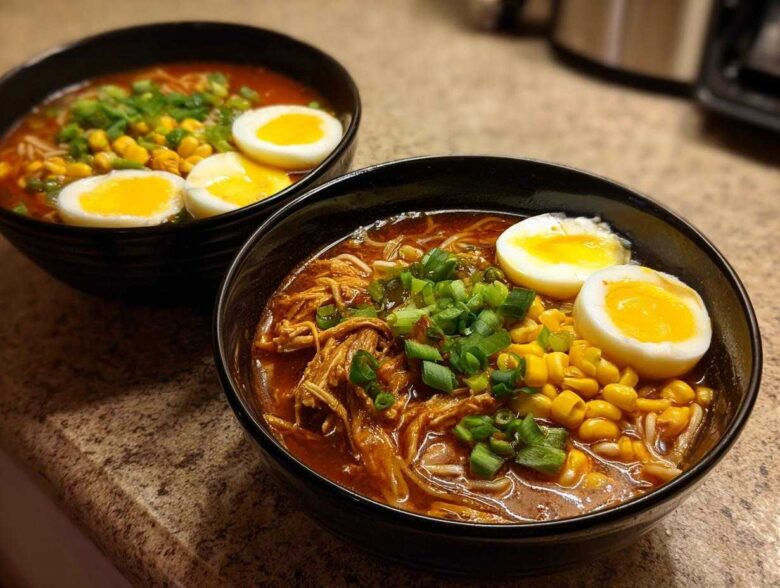
There are days when only a big, hot bowl of soup can fix what ails you, right? And when I need that deep, soul-warming hug, I skip the quick fixes and go straight for the real deal: homemade **Spicy Miso Ramen with Soft-Boiled Eggs**. Forget those sad, powdery packets! Making restaurant-quality ramen at home is totally achievable, even if you’re usually scared off by anything that sounds ‘intermediate.’
For years, I chased that perfect balance—the spicy kick, the earthy miso depth, and especially that gloriously jiggly, jammy yolk. I’ve cracked the code on making the components separately and bringing them together for the most satisfying Japanese Noodle Soup you’ll ever slurp. This guide cuts through the confusion and focuses on making that incredible broth and those iconic eggs. I learned so much perfecting these steps; you can find more of my kitchen ramblings over at the blog!
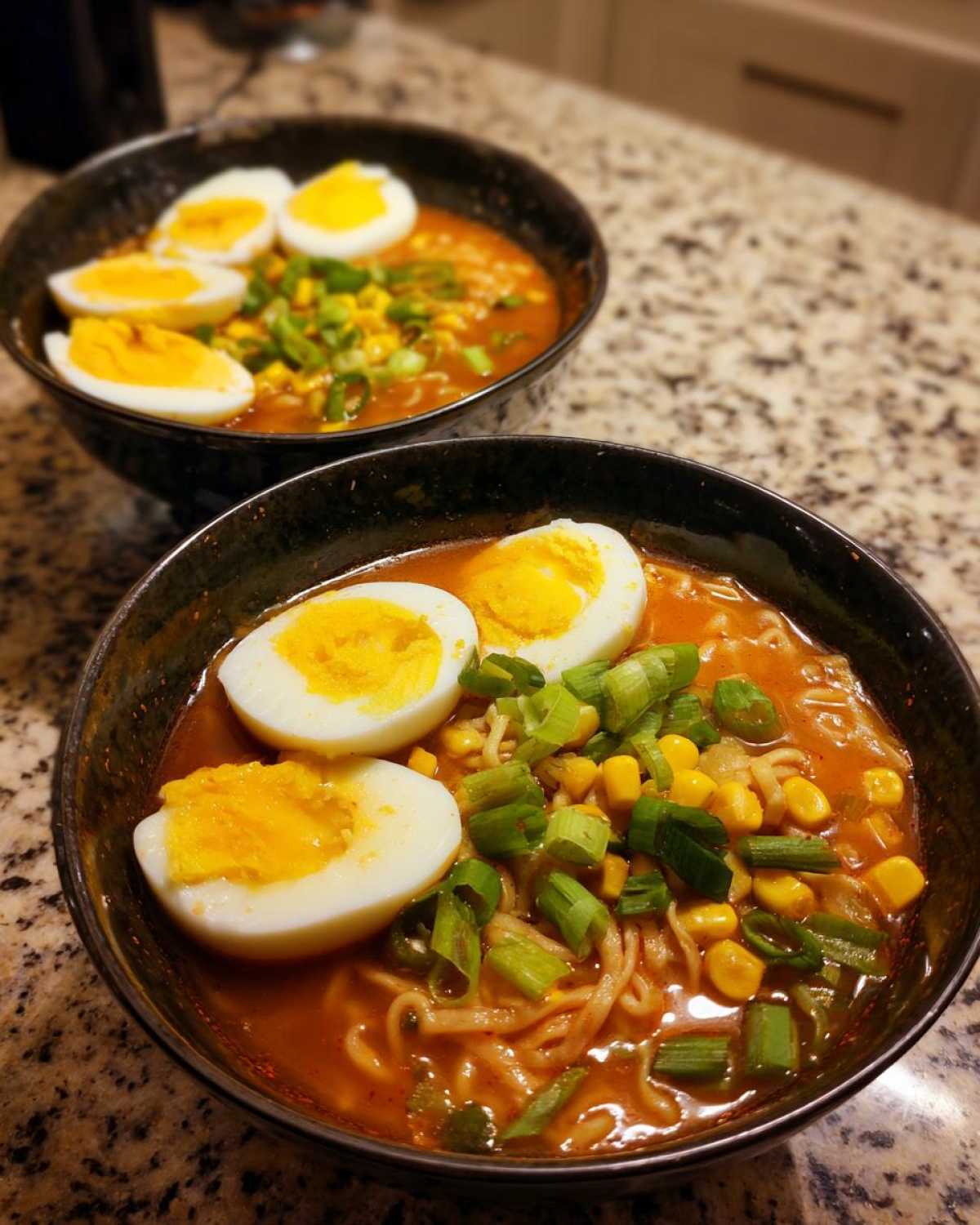
Trust me, mastering the flavor base might sound intimidating, but once you see how easy it is to blend those miso pastes together, you’ll be making this all the time. Let’s dive into how we pull off this amazing comfort food ramen.
Why This Spicy Miso Ramen with Soft-Boiled Eggs Recipe Works
I know ramen can feel complicated, but this recipe breaks down the few key steps that provide a giant payoff. You don’t need hours over a specialty stockpot to get complex flavor anymore. What makes this my go-to is how we nail the texture every single time. Seriously, no more sad, hard-boiled lumps!
- The Soft Boiled Ramen Eggs come out perfectly jammy—the yolk is custardy perfection thanks to a precise 6-minute, 30-second boil.
- We build incredible Umami Rich Broth depth using a combination of two miso pastes, so the flavor isn’t one-note.
- The steps are broken down simply so that even if you’re new to deep flavor bases, you’ll succeed making this Spicy Miso Ramen with Soft-Boiled Eggs.
Key Components for Authentic Flavor
The secret sauce to any great ramen bowl is the tare, which is essentially our intensely flavored base mixture—that’s where all the miso, ginger, and spice get concentrated. We mix that tare right into a good quality store-bought broth simmered with aromatics.
This method lets you skip the 12-hour bones-simmering process but still gives you that rich background flavor that makes Authentic Miso Ramen taste like it came from a top shop.
Essential Ingredients for Spicy Miso Ramen with Soft-Boiled Eggs
Okay, gathering your supplies is half the battle for this amazing bowl of Spicy Miso Ramen with Soft-Boiled Eggs. You need a few specialized items, but trust me, they are worth seeking out because they make all the difference in achieving that deep, savory base flavor we’re after. Don’t skip the two different kinds of miso—that’s crucial for balance!
We’re going to break this down into three main groups: the star eggs, the flavor-bomb tare, and the simple broth components.
Ingredients for the Soft Boiled Ramen Eggs
This is where you set yourself up for success! You need four large eggs, naturally. The marinade is straightforward, but the ratio is important for getting that perfect soy-mirin soak on your Soft Boiled Ramen Eggs. We need 1/4 cup of soy sauce, 1/4 cup of water, and exactly 1 tablespoon of sugar for just the right salty-sweet punch.
Creating the Spicy Miso Tare
This little bowl is where the magic happens for your Spicy Ramen Recipe. You’ll need 1/4 cup of that beautiful white miso paste for backbone, and about 2 tablespoons of the punchier red miso paste. For heat, grab 1 tablespoon of chili garlic sauce—if you have Gochujang, feel free to swap that in! We round it out with a teaspoon of sesame oil, a teaspoon of fresh grated ginger, and one minced garlic clove.
For the main broth, it’s usually 6 cups of good chicken or vegetable broth, plus standard pantry items like soy sauce and mirin to tie the tare together.
Step-by-Step Instructions for Spicy Miso Ramen with Soft-Boiled Eggs
This is where we bring everything together! Don’t even worry about the ground pork until the eggs are chilling later—we tackle the components that take the longest first. Remember, successful ramen is all about timing the chill of the eggs with the heat of the broth. Having your Spicy Miso Tare ready to go also makes the final assembly so fast and fun!
Perfecting the Soft Boiled Ramen Eggs First
First things first: the eggs need their ice bath recovery! Get a small pot of water boiling hard—a rolling boil, not just bubbling. Gently, and I mean gently, lower your four large eggs in. Set a timer for exactly 6 minutes and 30 seconds. That half-minute matters for that perfect jammy center!
The second that timer goes off, scoop them immediately into a bowl filled with ice water. This stops the cooking cold. Once they are cool enough to handle, peel them carefully. Now, mix your 1/4 cup soy sauce, 1/4 cup water, and 1 tablespoon sugar. Pop those peeled eggs right into that marinade, cover it up, and let it soak for at least two hours. Overnight is better for a true Ajitsuke Tamago Recipe experience!
Assembling the Umami Rich Broth Base
While those eggs are getting happy in the marinade, let’s focus on the soup. In a separate saucepan, heat your 6 cups of broth until it’s just simmering gently. Now take that beautiful Spicy Miso Tare you whisked together earlier and slowly whisk it into the simmering broth until it completely vanishes. Do this over low heat!
Here’s a huge tip: Do not let the miso boil vigorously! Boiling miso destroys those delicate probiotics and complex umami flavors we worked so hard to build. Just keep it nice and warm. If you’re using ground pork, brown it in a separate pan so you can drain off any excess fat before adding it to the bowls later. If you need more richness, check out the tips on building an amazing broth base!
Final Assembly of Your Japanese Noodle Soup
Time to eat! Cook your noodles exactly according to their package directions—you want them just tender, never mushy. Drain them really, really well; nobody wants watery ramen. Divide those hot noodles into your two big bowls.
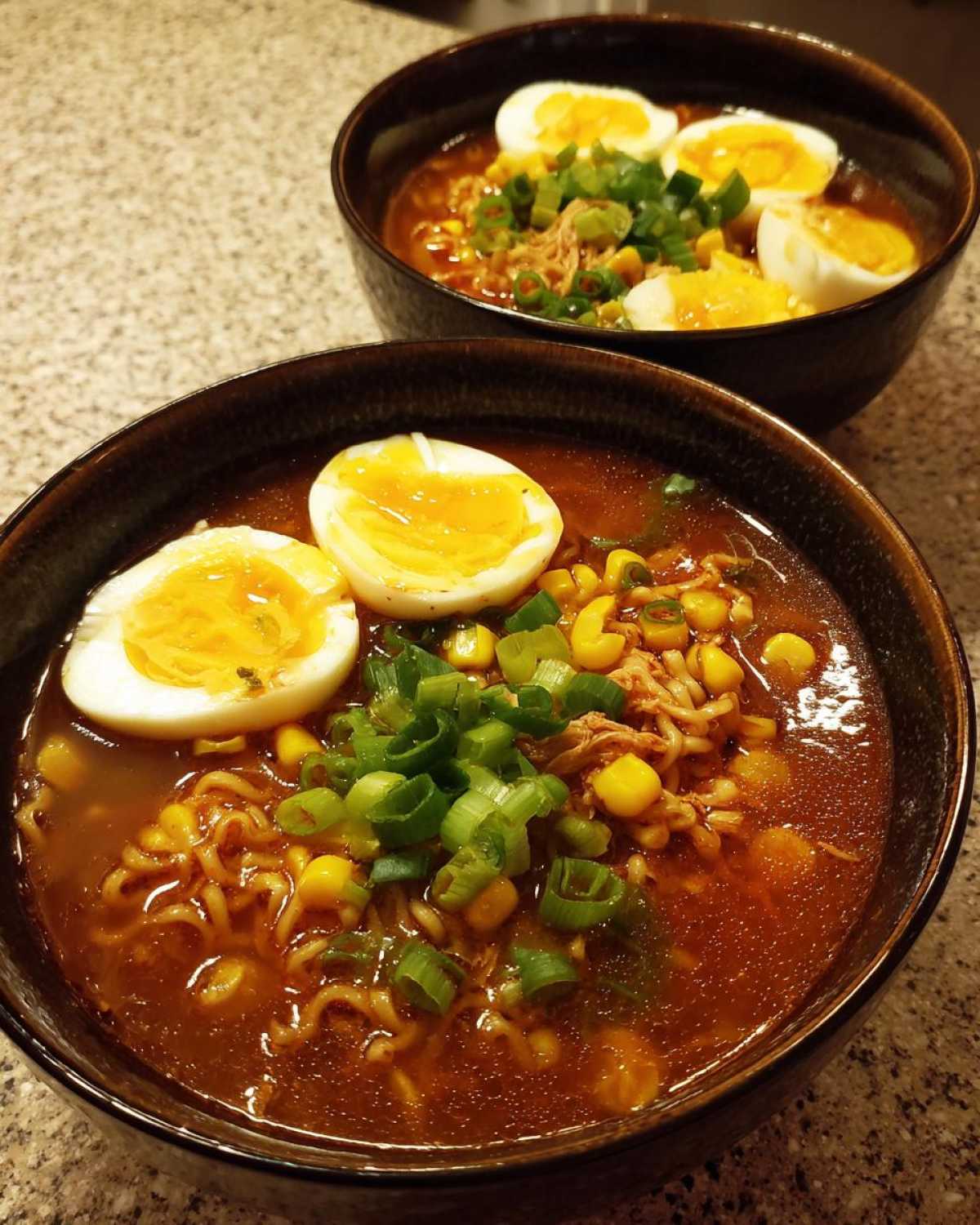
Next, ladle that perfectly spiced, warm broth right over the noodles. Distribute your cooked meat, corn, and scallions evenly over the top. Finally, take those marinated eggs, slice them neatly in half lengthwise, and nestle two halves right into each bowl. That’s your glorious, homemade Spicy Miso Ramen with Soft-Boiled Eggs—ready to dive into!
Tips for Success Making Homemade Ramen Guide
Look, making the perfect bowl of ramen is a journey, not a destination, and sometimes you just don’t have every single ingredient on hand. That’s okay! I’ve tried this recipe with swaps, and it still comes out fantastic as long as you respect the core principle: make the tare flavor the star.
The biggest thing I learned over the years failing at ramen is that you MUST cook your noodles separately and rinse them quickly if you aren’t eating them right away. Soggy noodles equal a sad soul. Also, never rush the marinating time on those eggs—they should look like they were stained by rich tea when you pull them out!
Ingredient Notes and Substitutions for Spicy Ramen Recipe
Let’s talk about flavor swaps so you can confidently whip this up anytime. Finding specific white and red miso pastes can be tricky. If you only find one kind, use a total of 1/3 cup, but try to use at least half of it as a darker variety (like Awase or Red), because white miso is much milder.
For the protein, don’t feel locked into pork! Ground turkey works wonderfully, you just need to add a splash of extra soy sauce to compensate for the less fatty flavor. If you’re going vegetarian instead—which I do often—your backbone relies entirely on the broth quality.
If you can’t find mirin, you can substitute it with a teaspoon of white sugar dissolved into the tablespoon of soy sauce meant for the tare. It loses a bit of that traditional sweetness, but it keeps the balance right. I really encourage you to check out some more of my kitchen hacks and ideas over at my archives if you want to experiment!
Ramen Toppings Ideas Beyond the Egg
Okay, the egg is the crown jewel, I agree, but you can’t just serve a bowl of spicy, gorgeous broth and noodles without a little bit of visual excitement and crunch, right? We listed the basics in the ingredient list—sliced scallions, sweet corn, and that tangy menma (bamboo shoots)—but let’s get creative with some other simple additions that really take your bowl over the top.
Think about adding texture and color! It makes the meal feel so much more complete when you have things to crunch on between sips of that wonderful broth.
Classic Components We Already Used
Don’t forget to utilize what you’ve already made! The thinly sliced scallions we added are essential for that sharp, fresh onion bite that cuts through the richness of the miso. The corn, though simple, brings a surprising burst of sweetness to counter the heat, which is super important in a Spicy Miso Ramen Recipe that really packs a punch.
Easy Additions for Extra Umami and Texture
If you want to level up your Japanese Noodle Soup game without buying a ton of specialized ingredients, try one of these next time!
- Nori Sheets: Grab those dried sheets of seaweed. They look fancy sticking out of the bowl, and as they soften slightly in the hot soup, they add a gorgeous, oceanic savory note.
- Wood Ear Mushrooms: If you can find these dried, just soak them in warm water for 20 minutes and then slice them up. They don’t have much flavor themselves, but their chewy, slightly crunchy texture is absolutely fantastic in ramen.
- Bean Sprouts: Toss a handful of raw bean sprouts in right before serving! They stay crisp and add bulk without watering down the soup flavor.
Honestly, half the fun of making Miso Ramen at Home is creating your own perfect little topping landscape!
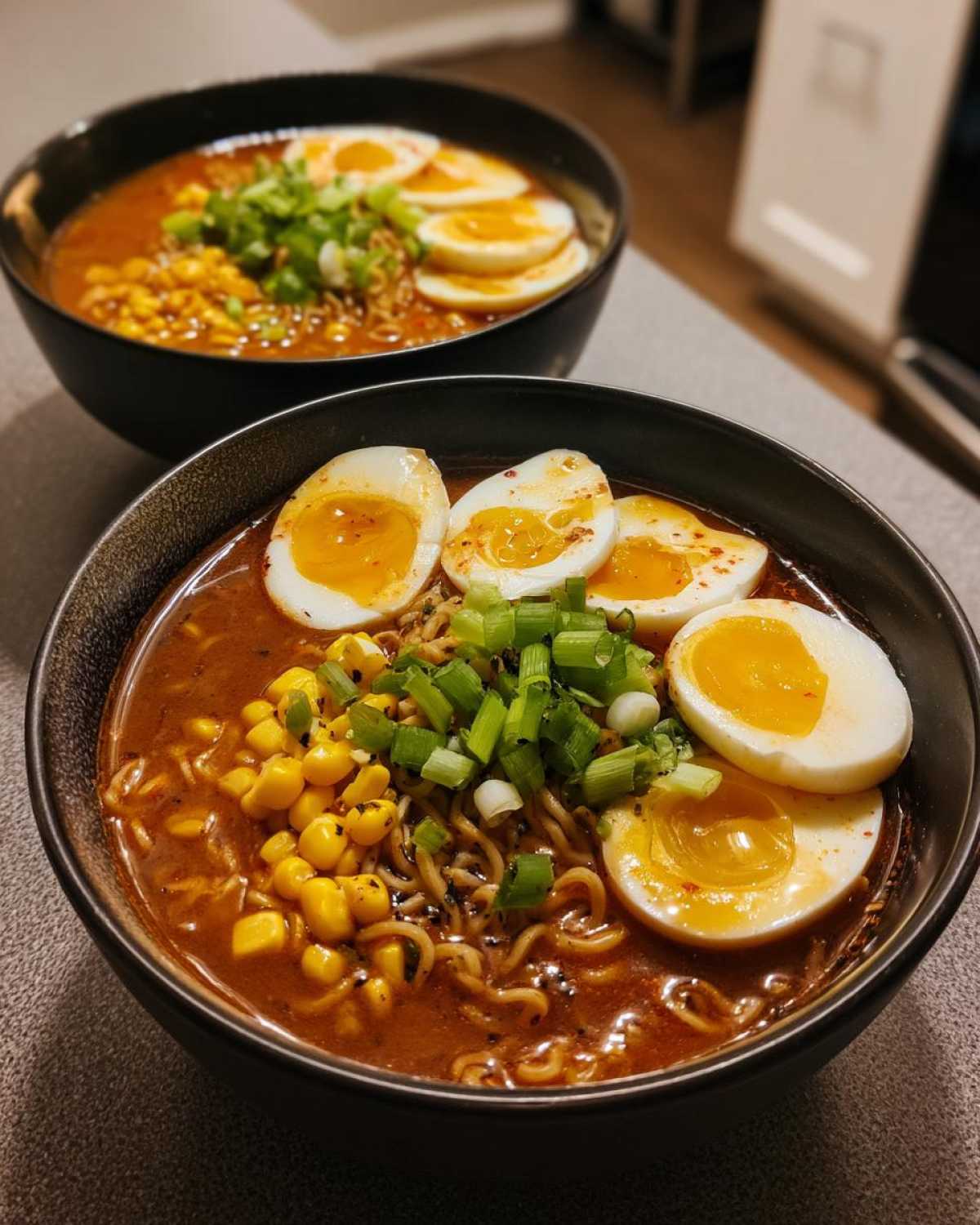
Storage and Reheating Instructions for Comfort Food Ramen
I wish I could tell you that leftover ramen tastes as amazing the next day sitting in the fridge all together, but hey, I’m here to tell you the truth! If you assemble the entire bowl—broth, noodles, toppings—the noodles get totally bloated and gummy almost instantly. That’s just the sad reality of great ramen noodles; they soak up too much liquid too fast.
The secret to enjoying this amazing Comfort Food Ramen over multiple days is keeping components separate. If you plan on having leftovers, treat it like a build-your-own bar the next day. This keeps every element tasting fresh and rescues your hard work!
The broth should be the easiest part to save, but the eggs need a little attention too. You want to maintain that wonderful texture we worked so hard for!
How to Store Each Ramen Component
Keep these things in separate airtight containers in the fridge. They should last about 3 to 4 days:
- The Broth: This is the easiest. Just pour the leftover spicy miso broth into a container. When you reheat it, bring it just to a simmer and taste it—you might need to add a tiny splash of water or another dash of soy sauce if it’s gotten too strong.
- The Noodles: If you have cooked noodles left, give them a quick, cold water rinse and toss them in a container. They won’t be perfect, but rinsing stops them from sticking together into one giant clump.
- The Eggs: Keep your beautiful marinated eggs right in their marinade! Don’t take them out until you are ready to slice them. This keeps them moist and lets that soy flavor keep sinking in a little deeper.
- Toppings: Keep cooked ground meat separate from your fresh toppings like scallions. The scallions just lose their freshness if they sit in the liquid too long.
Reheating for a Second Amazing Bowl
When you are ready for round two, reheat the broth until piping hot. Cook a fresh batch of noodles—this is non-negotiable for the best texture! Then, assemble as normal: noodles, hot broth, toppings, and slice your cold, jammy egg right on top. You’ll have a bowl that tastes nearly identical to the first time!
Frequently Asked Questions About Your Spicy Miso Ramen at Home
I get so many questions after people try this, and that’s awesome! It shows you’re serious about upping your noodle game. Most people ask me about time management or how to deepen that savory side when they don’t have meat on hand. Don’t sweat it; we can troubleshoot those minor things easily to keep your Miso Ramen at Home perfect.
Can I make the broth ahead of time?
Absolutely, I encourage it! Making the broth ahead of time is one of the best ways to make this into a weeknight meal. You can prepare the Spicy Miso Tare (the flavor paste) and store it in the fridge for up to five days. The actual broth—the chicken or vegetable stock you simmer—can be made days ahead too.
When you’re ready to eat, you just gently reheat the broth, slowly whisk in your pre-made Tare, and bring it barely up to simmering temperature. That way, when it’s time to eat, you only have to focus on cooking your noodles perfectly and slicing those gorgeous eggs!
How can I make the broth richer without pork?
This is a perfect question if you’re aiming for a vegetarian version or just running low on meat. The richness, or umami, comes from savory compounds, and we can get a lot of that from dried fungi!
If you look down in the recipe notes, I mentioned this: simmer your basic broth with a handful of dried shiitake mushrooms for about 20 minutes before you even start whisking in the miso tare. Pull those mushrooms out before adding the tare. That process extracts so much earthy depth!
Another trick that never fails for an Umami Rich Broth if you aren’t using meat is mushroom powder—sometimes sold as Dried Mushroom Extract or Duxelles powder. Just whisk about a teaspoon of that into your broth along with your tare. It gives that deep, meaty savory flavor without needing meat at all!
Is 6 minutes 30 seconds always the right time for the eggs?
For this specific recipe aiming for a jammy center, yes, 6:30 is my verified sweet spot when the water is at a rolling boil! But I always warn folks that egg size matters hugely. If you use really tiny eggs, you might need 6 minutes. If you use giant eggs from a farm, you might need 7 minutes.
The most important thing for those Easy Soft Boiled Eggs for Ramen is the ice bath immediately after. That quick chill is what stops the residual heat from overcooking the outside while the center stays wonderfully runny. Never skip that step!
Can I use instant noodles instead of fresh ramen noodles?
Look, sometimes you’re in a rush, and there’s no shame in reaching for a good quality instant noodle pack to make your Asian Spicy Soup happen faster! If you do this, please promise me you’ll throw away the seasoning packet that comes with the instant noodles.
You are already making an intensely flavorful broth with the miso tare, so that powder will be overly salty and weirdly chemical tasting. Just cook the noodles in plain water, drain them well, and pour your homemade spicy miso broth over them. It still beats 90% of takeout!
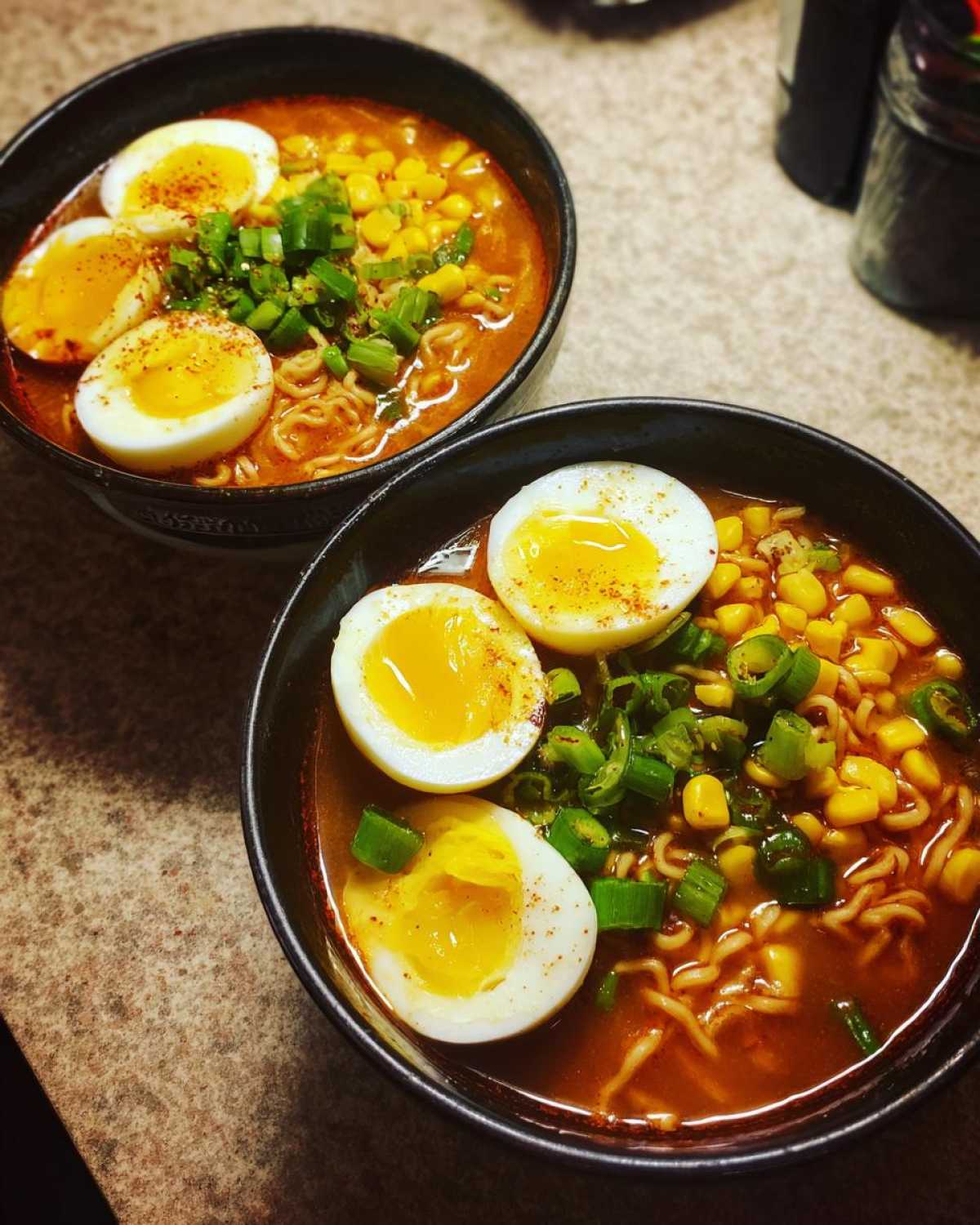
Nutritional Estimates for Spicy Miso Ramen with Soft-Boiled Eggs
I always get asked about the whole package when we talk about this ramen. It’s hearty, deeply flavorful, and satisfying, but I know folks track their macros! Before you dive in, remember these numbers are just estimates based on the ingredients listed in the main recipe section. Since we use real butter in a lot of my cooking, and miso is naturally salty, some values might swing a bit depending on the exact brand of miso or soy sauce you grab.
For the most accurate picture, you’d need to enter exact measurements for your specific brands, but this gives you a really solid overview of what you’re consuming in one perfect bowl of Spicy Miso Ramen with Soft-Boiled Eggs.
For reference, these figures are based on two servings. Also, since we include a link to the full site disclaimer, please keep in mind that this is not medical advice—just kitchen math! You can find the full details over on our general disclaimer page.
- Serving Size: 1 bowl
- Calories: 550
- Protein: 35g
- Fat: 20g (Includes 6g Saturated Fat)
- Carbohydrates: 65g (Includes 4g Fiber)
- Sugar: 12g
- Sodium: 1800mg (Yes, I know that’s high—that’s the Miso life!)
- Cholesterol: 375mg
See? Plenty of protein from that egg and the meat if you use it! It really is a complete meal in one gorgeous, steaming bowl.
Share Your Homemade Ramen Experience
Now that you’ve mastered the art of the perfect soft-boiled egg and built a broth so rich it deserves its own fanfare, I really want to know what you think! Don’t just slurp it down silently!
When you sit down with your first bowl of your very own Spicy Miso Ramen with Soft-Boiled Eggs, please take a moment and let me know how it went. Did you manage the 6-minute, 30-second egg perfectly? Did you add extra ginger? Maybe you cranked the chili sauce up to a seven! All these little details help me and other cooks out there.
Drop a rating right below this section, or better yet, leave a detailed comment. I read every single one. Did you tweak the toppings? Did you struggle with the noodles? Vent or boast—I love hearing it all!
And if you managed to snap a quick picture of your beautiful bowls before digging in—and I hope you did because those sliced eggs look amazing—tag me on social media! Seeing your steaming bowls of homemade ramen really makes my day. If you need to reach out directly about a recipe question, you can always use the contact page too!
PrintSpicy Miso Ramen with Soft-Boiled Eggs
A detailed recipe for making rich, spicy miso ramen broth and perfectly soft-boiled eggs at home.
- Prep Time: 20 min
- Cook Time: 25 min
- Total Time: 45 min
- Yield: 2 servings
- Category: Dinner
- Method: Stovetop
- Cuisine: Japanese
- Diet: Low Fat
Ingredients
- 6 cups chicken or vegetable broth
- 1/4 cup white miso paste
- 2 tablespoons red miso paste
- 1 tablespoon soy sauce
- 1 tablespoon mirin
- 1 tablespoon chili garlic sauce (or Gochujang)
- 1 teaspoon sesame oil
- 1 teaspoon grated fresh ginger
- 1 clove garlic, minced
- 1/2 pound ground pork or ground chicken (optional)
- 2 servings fresh or dried ramen noodles
- 4 large eggs
- 1/4 cup soy sauce (for egg marinade)
- 1/4 cup water (for egg marinade)
- 1 tablespoon sugar (for egg marinade)
- 2 scallions, thinly sliced (for topping)
- 1/4 cup corn kernels (for topping)
- Menma or bamboo shoots (for topping)
Instructions
- Prepare the soft-boiled eggs: Bring a small pot of water to a rolling boil. Gently lower the eggs into the boiling water. Boil for exactly 6 minutes and 30 seconds for a jammy yolk. Immediately transfer the eggs to an ice bath to stop the cooking process. Peel carefully once cooled.
- Make the egg marinade: Whisk together 1/4 cup soy sauce, 1/4 cup water, and 1 tablespoon sugar in a small container. Place the peeled eggs in the marinade, cover, and refrigerate for at least 2 hours, or preferably overnight.
- Prepare the spicy miso tare (flavor base): In a small bowl, whisk together the white miso paste, red miso paste, soy sauce, mirin, chili garlic sauce, sesame oil, grated ginger, and minced garlic. Set aside.
- Cook the meat (if using): Heat a skillet over medium-high heat. Add the ground pork or chicken and cook, breaking it up, until browned. Drain excess fat.
- Build the broth: In a medium saucepan, heat the 6 cups of broth until simmering. Reduce heat to low. Whisk the prepared miso tare mixture into the simmering broth until fully dissolved. Taste and adjust seasoning if needed; add a splash more soy sauce for saltiness or chili sauce for heat. Keep warm but do not boil vigorously after adding miso.
- Cook the noodles: Cook the ramen noodles according to package directions until they are just tender (al dente). Drain well.
- Assemble the ramen: Divide the cooked noodles between two large bowls. Pour the hot spicy miso broth over the noodles. Top each bowl with half of the cooked ground meat (if using), corn, and sliced scallions.
- Serve: Slice the marinated eggs in half lengthwise and place two halves on top of each bowl. Add menma if desired.
Notes
- For a richer broth, simmer the chicken or vegetable broth with a few dried shiitake mushrooms for 20 minutes before adding the miso tare.
- If you prefer a vegetarian broth, use a high-quality vegetable stock and add a teaspoon of mushroom powder for depth.
- The quality of your miso paste significantly impacts the final flavor; use fresh paste for the best umami.
Nutrition
- Serving Size: 1 bowl
- Calories: 550
- Sugar: 12
- Sodium: 1800
- Fat: 20
- Saturated Fat: 6
- Unsaturated Fat: 14
- Trans Fat: 0
- Carbohydrates: 65
- Fiber: 4
- Protein: 35
- Cholesterol: 375